Concerned about Damp? Book a Survey Today.
Book a survey online and save £25 off your survey fee

Call Today on 08082508820 * or Book a Survey Online
Damp-proof paints are widely available in hardware stores and online, but do they really stop damp for good? But before considering using a 'damp proof paint', you need to understand that this is a generic term that covers a wide range of products and systems to deal with damp. You need to know what is causing your damp, so you can choose the correct solution, you will not get the desired outcome.
It's important to note that various types of damp affect properties across the United Kingdom, including most commonly condensation, but also rising damp and penetrating damp. Because of this, there are several damp-proof paints available, depending on the root cause of the damp problem.
Unlike standard emulsions, which are typically porous and can allow moisture to pass through, damp-proof paints will typically form a barrier between a surface and the source of damp, whether internal or external. That barrier may or may not be vapour permeable, depending on the type of product.
This guide will focus on what causes walls to become damp and whether a damp-proof paint will provide long-lasting results. We will also cover the problems that many homeowners face when they incorrectly apply the wrong damp-proof paint in their property.
Peter Cox has been protecting homes and businesses from damp problems since 1951, with a network of regional branches across the country. If you are unsure how to solve your damp problem, we have a number of local surveyors who can provide advice and recommendations on damp treatments and damp-proof paints.
There are various types of damp proof paints, and when the type of damp causing the problem is identified, and the damp proof paint is installed correctly, they can provide long-lasting solutions.
Damp-proof paints work in one of four ways. They provide a biocidal coating to prevent mould growth, they seal a surface to prevent damp coming through, they provide a vapour permeable finish to prevent damp entering, or they warm the wall surface just enough to raise it above the 'dew point' and prevent condensation from forming. Once dry, they will provide effective protection, but only if the correct product for the type of damp is used.
A professional damp survey can help provide answers if you are unsure about the root cause of your damp problem.
Damp problems can often be complicated, and if misdiagnosed, you run the risk of the problem returning and ultimately more costly repairs in the future.
There are various problems that can be solved by using the right damp proof paint. The best product to use will depend on the symptoms your property is suffering from, as you must understand the primary cause of any damp for treatments to be effective.
The correct damp-proof paint can be effective at solving the following problems:
Cold spots on external walls, especially around window frames or in difficult-to-insulate areas such as eaves voids, can often cause condensation to form. Walls become wet as warm, humid air within the property condenses on the cold surface, causing moisture to turn into a liquid.
By increasing the thermal efficiency of the wall, anti-condensation paints can be used to remove the cold spot, thereby preventing moisture from forming.
Some damp proof paints may be labelled as ‘mould killers’, and these include a biocide which will kill mould spores. Rather than insulating the surface, they will prevent mould spores from germinating. Because these types of products do not have insulating properties, it's possible that condensation will continue to form, with water beads running down walls and surfaces.
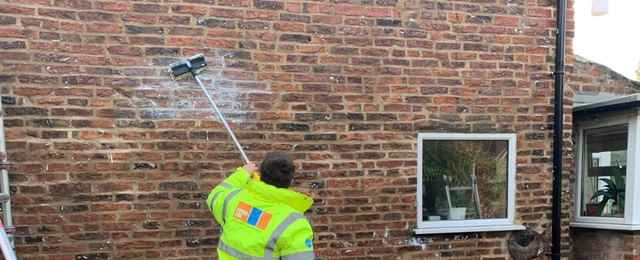
For external solid brick walls, masonry protection creams can be used, which line the pores within masonry, creating a waterproof barrier that prevents liquid moisture from penetrating inside the property. The product is usually vapour permeable and allows trapped water vapour to escape.
This is typically used for solid-walled homes that are affected by wind-driven rain that causes damp patches internally.
The product improves the thermal resistance of masonry by keeping it dry, thereby saving energy. It is scientifically proven to reduce heat loss in single skin masonry, with an energy saving of up to 29%.
Masonry defects and porous mortar must be addressed first; the full benefits of the application will not be achieved.
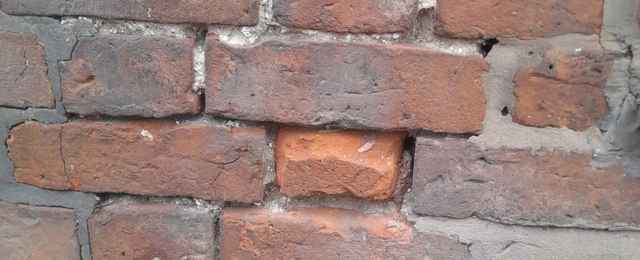
When the mortar surrounding masonry deteriorates, it can allow moisture to enter the building's fabric. When moisture freezes, it expands, causing further damage to pointing or brick faces. This is called spalling.
Algae and moss can grow on damp masonry, often caused by damaged guttering, blocked drains or by rainfall splashing off pavements onto the masonry.
These building defects should be addressed, while damp proof paints can prevent masonry from becoming damp, once the damage has been repaired.
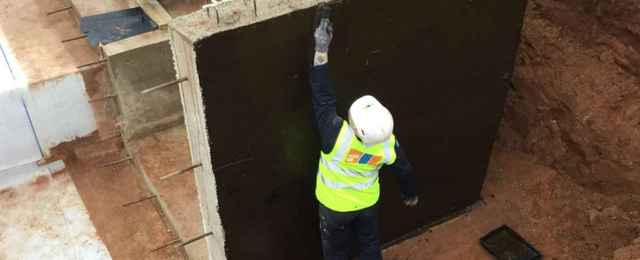
Waterproof tanking products are sometimes referred to as damp-proof paints or tanking paints. Tanking walls will prevent damp problems by forming a waterproof barrier and are a common method for below-ground waterproofing to BS8102. These are often used in conjunction with other types of waterproofing techniques to create a dry internal environment.
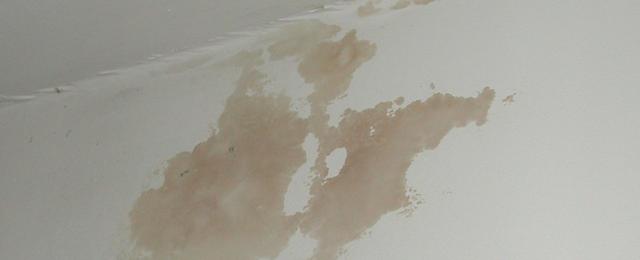
A very common feature in homes is damp patches, which often discolour the paint or cause bubbling. Often, people want a quick fix, particularly if the house is for sale. There are many damp-stain concealers on the market that do just that. They seal the surface and conceal the damage, and can then be decorated. If the source of the damp has been fixed, this may not be an issue, but if the moisture ingress continues, these concealers can eventually break down, and more damage is revealed.
The effectiveness of damp paints will depend entirely on the source of the moisture. If correctly diagnosed, damp proof paints can provide an effective solution.
Where there are structural problems such as failed or bridged damp proof courses (DPCs) or building defects causing moisture to penetrate inside, these must be addressed, as no damp proof paint will solve the problem.
Where there are plumbing leaks and or faulty appliances causing damp issues, these must also be addressed first.
If used as a "quick fix" for a serious underlying issue which has not been identified correctly, the dampness will eventually build up behind the non-breathable paint layer.
Trapped moisture from incorrectly applied damp proof paints can lead to:
Because of these potential problems, it is advisable when using damp-proof paints to fully understand the problem at hand and make sure you are using the correct product that does not cause more harm to your property in the long run.
If you are unsure about what products to use or what course of action to take, a professional damp and timber survey from a qualified professional can provide you with answers.
They will check the health of your property and identify any problems that could affect it, both externally and internally.
The surveyor will also check the condition of masonry and timber, as dampness can cause structural problems, wet rot, dry rot and woodworm, which can cause masonry and timber to lose their structural integrity.
Before picking up a brush to apply a damp-proof paint, you must identify the root cause of the moisture to avoid making the problem worse.
Here are some visible signs to look for when thinking about using damp-proof paints:
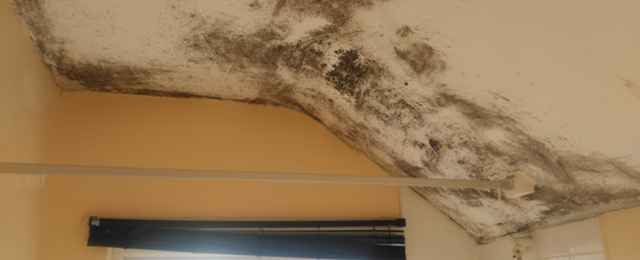
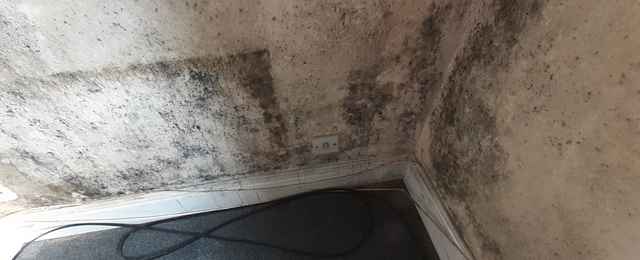
If your damp is characterised by black spots, specifically in cold corners, north-facing walls, around window frames, or behind furniture, it could be condensation. This occurs when warm, moist air hits a cold surface. In these cases, anti-condensation or biocidal paints are a useful part of the solution when combined with improved ventilation and heating.
Penetrating damp is often caused by defects in a building's exterior, which allows moisture to seep into walls and ceilings. This can lead to damp patches, external damage to brickwork, moss and algae growth and can even lead to mould growth internally. Any building defects must be addressed, while porous masonry may benefit from masonry protection cream application to the outside face.
Penetrating damp can also occur where a wall is below ground level. This will naturally occur in basements, but will also occur where a building has been built into raised ground, or the ground around a property has been made up to above the DPC level, as may occur when installing paths or parking areas.
Anti-condensation paints are ideal for small areas affected by condensation and mould growth caused by cold bridging. The coating will create a thermal barrier between the cold surface and the warm, moist air in the room. It works as it contains hollow glass beads that act as miniature thermos-like flasks. This then creates a thermal barrier between cold surfaces and the warmer interior air. It can be particularly useful in areas that are difficult to insulate. Both the moisture source and ventilation issues causing the mould growth must also be addressed.
Commonly available in supermarkets, hardware stores and online, anti-mould paints will often contain a biocide which prevents mould from forming. These do not address the root cause of the mould growth - the excess moisture within the property and cold spots found on walls. While useful in conjunction with other damp proofing methods or mould cleans, as a stand-alone solution for damp, there may be better options available.
For external walls, masonry protection creams create a vapour-permeable waterproof barrier on porous building materials such as brickwork, stone and concrete and can prevent penetrating damp caused by wind-driven rain. Once dry, no visible colour or surface change to the masonry is visible, other than a water beading effect.
They work by lining the pores within masonry (without blocking them), which prevents water absorption, while allowing trapped water vapour to evaporate out.
This helps protect masonry walls from further damage from spalling, efflorescence and can prevent moss and algae from forming. Because walls are no longer wet, they help improve the thermal efficiency of the structure, meaning less heat is required to warm inside.
They can be used as part of a wider damp proofing solution and can even be used as part of flood resilience or flood protection systems.
There are products available online, but these often have fewer active ingredients or seal the surface of the masonry, trapping water vapour and leaving a visible sheen on the surface.
If you are worried about a damp problem in your property, and are considering using damp-proof paints to solve the problem, we can help provide you with expert advice and recommendations.
Our trained and qualified surveyors will investigate both inside and outside your property, identifying the root cause of the problem, in order to provide you with expert long-term solutions.
This is done through a damp and timber survey. All findings will be detailed in a survey report, along with recommendations, which may include the use of damp-proof paints.
Peter Cox is on hand to provide expert advice and long-lasting damp proofing treatments.
When you choose Peter Cox for damp proofing, you benefit from:
Depending on which product is used, damp-proof paints may only provide a temporary fix to damp problems, as they often fail to address the root cause of the problem. When installed incorrectly, they can also trap moisture within the fabric of a building, which can cause plasterwork to deteriorate and blister, and can even cause stonework and brickwork to crumble.
Without professional advice, damp-proof paints will often mask a problem for a while, but ultimately lead to damage and more costly repairs in the future.
This will depend on the type of damp, as there are various types of damp proof paints available specifically for different types of damp. It’s important to first fix the source of damp, especially if it is caused by structural issues like defective damp proof courses or building defects, or plumbing leaks.
Before painting damp walls, it's important to first fix the moisture source, as if this is not dealt with, the problem will return in the future. Remove any mould by cleaning it away; it could stain the new coat of paint. Do not apply paint to walls until they are thoroughly dry, as the paint will likely bubble and peel.
No. Painting over a wall that is still actively damp will cause the new paint to fail, peel, or bubble almost immediately. You must fix the source of the moisture and allow the wall to dry completely before any paint application.
*Survey enquiries for your local branch will be directed to our dedicated central survey control teams across the UK. Calls to 0800 and 0808 numbers are free unless you are calling from a business phone, in which case the rate will be set by your provider.


