How to Identify Signs of Damp in your House
Find out how to spot the tell-tale signs of damp in your home

Call Today on 08082508820 * or Book a Survey Online
Many homeowners and occupants across the United Kingdom suffer from damp problems in their homes every year, but the origin of the problem will differ from property to property.
Damp patches on walls or around windows, salt laden plaster, mould growth, mildew forming and discoloured wallpaper are all signs of a damp problem in your home.
We have put together a guide on dampness in the house, how to identify the problem affecting your home, and your next steps.
Peter Cox can provide specialist damp surveys nationwide from our network of local branches, meaning a qualified surveyor local to you, should you require further assistance with your damp problem.
Damp is the presence of unwanted and excess moisture found within a building which can cause structural damage, mould growth and fungal decay.
Damp problems can lead to musty smells, discoloration of surfaces, rotten timber and unpleasant living conditions.
If left untreated, damp problems can result in damage to the fabric of your home, the stored goods and furnishings within it, affect your health and ultimately reduce the value of the property.
Fixing the damp problem requires a full understanding of what is causing it, and fixing the problem at the source.
There are three types of damp which affect houses, and each type will require different treatments in order to prevent the problem long term. Understanding what type of damp your home is suffering with will give you an understanding of your next steps.
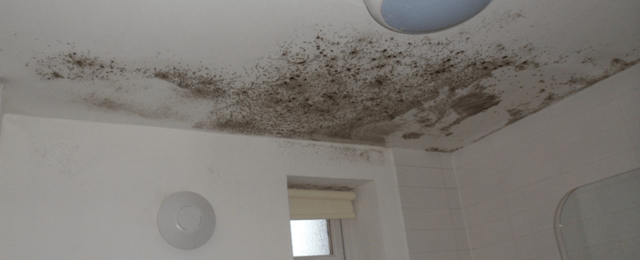
Condensation is the most common type of damp that affects homes and the most common signs of condensation are water droplets running down cold surfaces such as windows, walls and ceilings, and black mould forming around these surfaces.
Condensation is caused by moisture that has become trapped inside the home, with a lack of ventilation to remove it. Warm humid air will condense on cold surfaces, meaning water droplets form on surfaces that are uninsulated. In many older properties this will be old solid outside walls, rather than 'modern' cavity walls
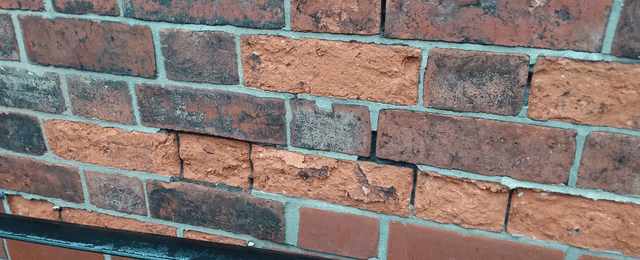
Penetrating damp is often the result of external building defects that allow moisture to enter the home through the building’s fabric and are therefore most common on solid wall properties.
This can be caused by damaged guttering, missing roof tiles, vegetation blocking drains, cracked renders, missing mortar, wind driven rain, porous masonry, defective seals or chimney flashing. High ground levels abutting a property can also cause penetrating damp.
The building defect is often in a similar area on the outside to the internal damp problem. Fixing the defect will prevent the issue, while high ground levels may require elements of structural waterproofing to protect the property from further moisture ingress.
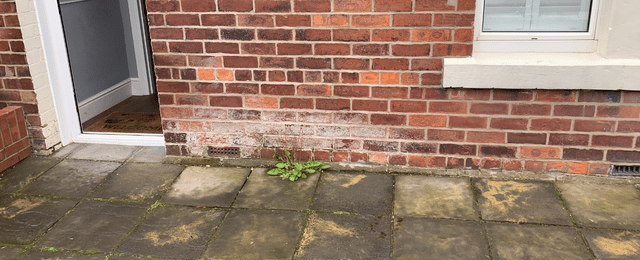
Rising damp is the least common form of damp, and the most misdiagnosed. It is caused when groundwater is being drawn upwards through brickwork by a process known as capillary action. This happens in buildings that do not have a functioning damp proof course.
Rising damp is commonly identified by salty tidemarks just above the skirting board level on the ground floor of the home, though over time this can rise to around one metre.
Homes are typically built with a damp proof course which is a waterproof barrier that prevents moisture rising upwards, but many older buildings were built without one, or it has become defective over time.
One of the main reasons a house will feel damp is because of excess moisture creating a humid atmosphere. This is often a symptom of condensation caused by everyday tasks such as cooking and cleaning, but unless there is adequate ventilation for the moisture laden air to escape, it will simply remain in the atmosphere, or condense on cold surfaces.
Damp walls caused by problems like rising damp or penetrating damp may cause a room to feel damp and cold, as these surfaces are no longer able to retain heat, as their thermal efficacy drops and if you do heat the room, the damp wall will absorb it.
To make a house feel less damp you will need to address the root cause of the problem, and may require a professional survey to fully understand the dynamics of the property.
If you have a damp problem affecting your home it can be stressful, especially if the problem keeps returning.
The first step is to identify the type of damp causing the problem, so you can then work on how to get rid of the damp problem for good.
If you are unsure where the root cause is coming from, if structural timber appears to be rotten, or if you require further assistance, a damp and timber survey from a professional surveyor can help provide answers and recommendations on how to solve the problem for good.
You may require a damp survey if you have noticed damp in your home, and you are unsure about where it is coming from, or if you have attempted to solve the problem but it keeps returning.
A damp survey carried out by a qualified professional from Peter Cox will provide you with answers on the root cause of the damp problem and the next steps involved. It will be laid out in an easy to understand report, backed by photographic evidence.
We have CSRT/CSTDB qualified surveyors located across the country, working from our network of local branches.
The survey report will detail any issues found and recommendations for further treatments, but only when required. If you do require specialist damp proofing, the surveyor will be on hand to answer any questions you may have.
Peter Cox have been solving damp problems since 1951, are a Which? Trusted Trader and and we’re rated ‘Excellent’ with over 2,500 independent reviews on Trustpilot.
Living inside a damp and mouldy home can create a very unpleasant environment, especially for vulnerable groups such as children and the elderly.
Damp conditions can lead to damp patches on walls and ceilings, peeling decorations, rotten timber and black mould growth. It can cause respiratory issues for occupants such as persistent coughing, wheezing, and shortness of breath. It can also cause skin rashes, eye irritation and allergic reactions for those who are affected.
If there is also insufficient ventilation, this can lead to moist stale air that contains mould spores, dust mite allergens and volatile organic compounds which can contribute to Asthma symptoms.
A damp environment is also linked to elevated levels of stress and depression, and without a solution can cause anxiety for occupants.
If you are concerned about a damp problem in your house, Peter Cox are on hand to provide expert surveys and advice on any required damp treatments.
When you choose Peter Cox for damp proofing you benefit from:
To fix damp in a house you must first identify the root cause of the problem, which will typically either be condensation, rising damp, penetrating damp or a plumbing or appliance leak. Each will require a different solution in order to stop the damp problem returning. If you are unsure about the source of the damp, you should contact a professional damp proofing company such as Peter Cox, who can provide you with recommendations.
If possible, you should avoid living in a damp house, particularly for an extended period. Homes that are fit for human habitation are considered to be free from damp and mould that could cause significant harm. This is particularly true for people with underlying health conditions such as allergies or asthma or specific age groups, which put them at increased risk from damp and mould that may trigger reactions or make breathing more difficult. Any concern about symptoms that occupants are experiencing should be discussed with a healthcare professional.
Even if visible mould is not present, dampness alone can increase the risk of health issues for certain people. Damp and mould should always be addressed promptly to protect occupant health from long-term exposure. The occupant has a responsibility to control moisture production and ensure there is adequate ventilation to remove excess moisture and airborne pollutants or direct concerns to their housing provider or the Housing Ombudsman service or relevant authorities in Wales, Scotland and Northern Ireland.
Yes, if left untreated damp can lead to structural damage to the fabric of a property, including deterioration of plasterwork and rotten timber. This can cause significant damage which may be expensive to repair, while leading to other issues such as fungal decay or corroded wall ties.
It can also cause health issues for occupants, while creating unpleasant living conditions.
Damp is caused by excess moisture in the property, either accumulating inside through every day moisture creation like cooking and bathing, or by moisture entering the fabric of the building from outside. You must first understand where the damp is originating from in order to prevent the problem long term.
*Survey enquiries for your local branch will be directed to our dedicated central survey control teams across the UK. Calls to 0800 and 0808 numbers are free unless you are calling from a business phone, in which case the rate will be set by your provider.