
Call Today on 08082508820 * or Book a Survey Online
Specialist Rising Damp Treatments - Nationwide
Peter Cox can provide expert treatments for rising damp, typically backed by long term guarantees, giving you the long term peace of mind your damp problem is solved.
Rising damp can cause the deterioration of plasterwork, cause wallpaper to peel away, skirting boards to become rotten and create unpleasant smells and living conditions.
Rising damp is often misdiagnosed for other forms of damp, which is why before carrying out any rising damp treatments, a qualified surveyor from Peter Cox will first conduct a damp and timber survey to identify the root cause of the issues seen, and the requirements for treatments.
If you are suffering from damp walls inside your property, get in touch today.
Peter Cox have over 70 years’ experience dealing with rising damp, damp proofing and timber repairs, meaning we are the go‑to specialists for reliable diagnosis and lasting repairs.
Whether it's a domestic home, a commercial project or a historic or listed building, we can provide you with proven methods that can protect your property and restore it to its former condition.
When are rising damp treatments required?
Only when there is a confirmed rising damp problem - and this can only ever be fully understood by investigating the root cause of damp.
Rising damp occurs when a building has a defective damp proof course (DPC), if it becomes bridged so moisture can bypass, or if the property was built without one.
If a functioning damp proof course is bridged, steps can be taken to prevent moisture bypassing it by removing the issue, and may not require a remedial damp proof course at all.
Where a DPC has become defective or a property was never built with one, a chemical damp proof course can be installed, creating a watertight barrier to prevent moisture rising upwards through the masonry.
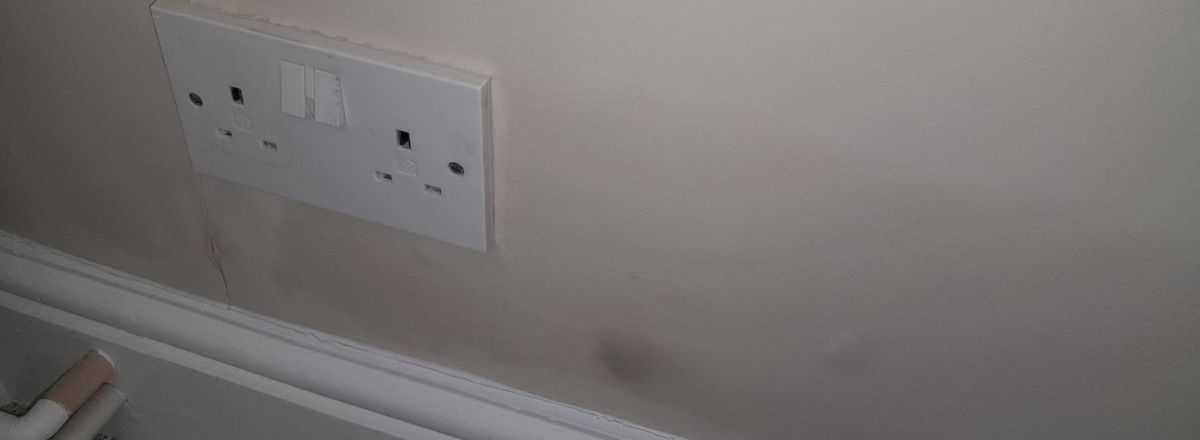
Damp patches can indicate a problem relating to the DPC, it has either become bridged or has deteriorated and is no longer preventing moisture from rising upwards.
Rising damp treatment process
If you are worried about rising damp and think you require specialist damp proofing, Peter Cox are on hand to fully identify the source of the problem, and provide you with long lasting solutions.
The first step in understanding the requirements is a damp and timber survey carried out by a qualified and professional surveyor.
Survey and assessment
A qualified Peter Cox surveyor from a branch local to you will conduct a detailed damp survey to determine moisture levels, salt content and the existing DPC condition. They will take their time to investigate both the outside and inside of the property, and come to their conclusions based on physical evidence and by using specialist equipment.
A detailed report
You will receive a report detailing the findings. If a rising damp problem is found, the surveyor will provide you with evidence from the survey. The report will contain recommendations for remedial work, where necessary, and details of how to book in the work at a time suitable for you. If there is no need for damp proofing, this will be made clear in the survey report. Sometimes damp can be caused by minor building defects or because regular maintenance is not carried out, and specialist damp repairs are not required.
Preparation works
If a surveyor confirms a rising damp problem, and you choose to go ahead with remedial work, an experienced technician will be on hand to carry out repairs. They will take you through the steps involved, and answer any questions you may have.
The removal of skirting boards, radiators and any salt‑contaminated plaster will be required to expose affected areas ready for treatment.
Once work begins our technicians will try their best to minimise dust and disruption throughout the treatment process. All Peter Cox technicians are supplied with floor coverings, dust sheets and vacuums. When hacking off plasterwork, drilling or cutting timber they will use Hilti dust extraction units which can help remove airborne particles from the atmosphere while they are working.
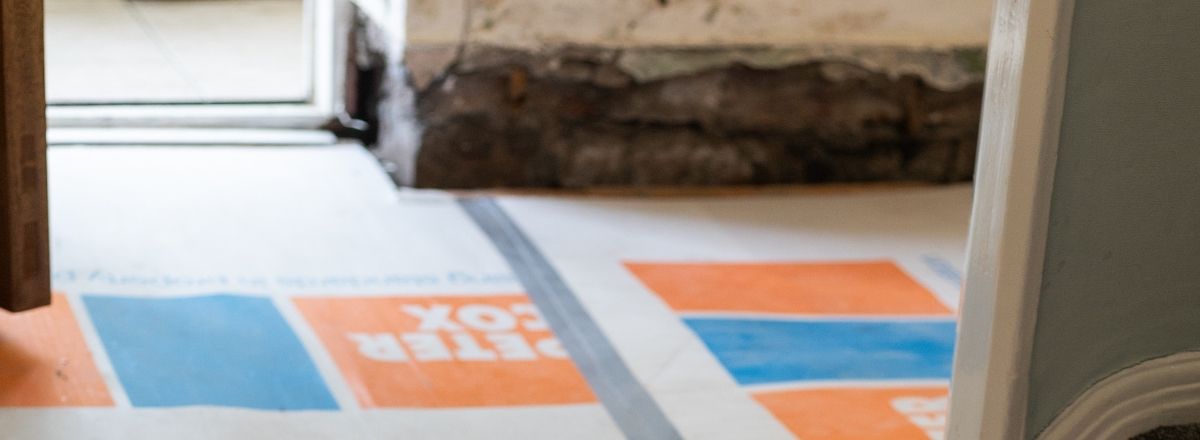
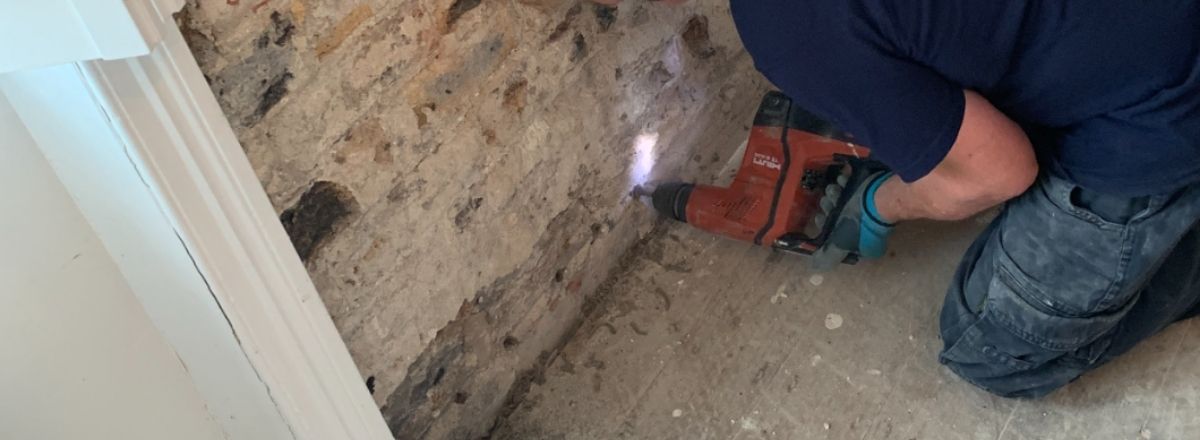
Drilling injection holes
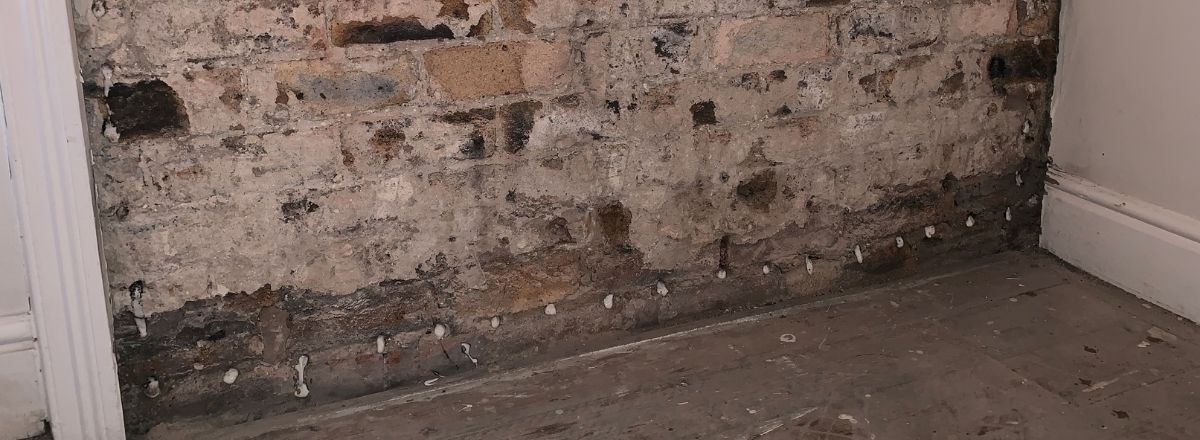
The technician will then drill holes horizontally at 120 mm intervals into mortar joints approximately 150 mm above the external ground level.
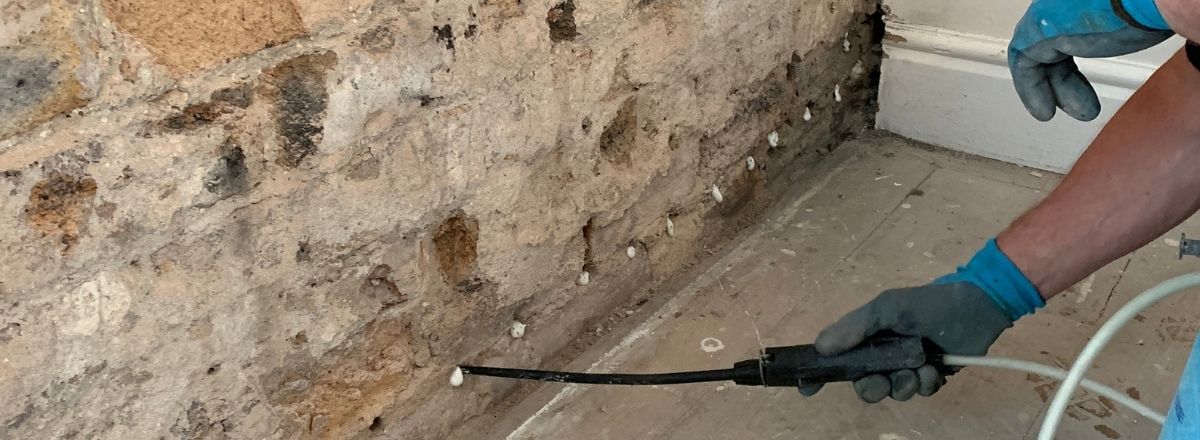
Chemical injection
A silane‑based damp proofing cream that penetrates mortar and brickwork is injected into the holes. This creates a chemical damp proof course by lining the pores in the masonry and forming an impermeable layer. As this is a pore lining product, moisture can still evaporate from the surface.
Associated timber repairs
In some properties the moisture brought upwards through masonry may cause the moisture level of timber in contact to rise. When timber becomes damp it can lead to issues such as wet rot and dry rot, which may require timber treatments.
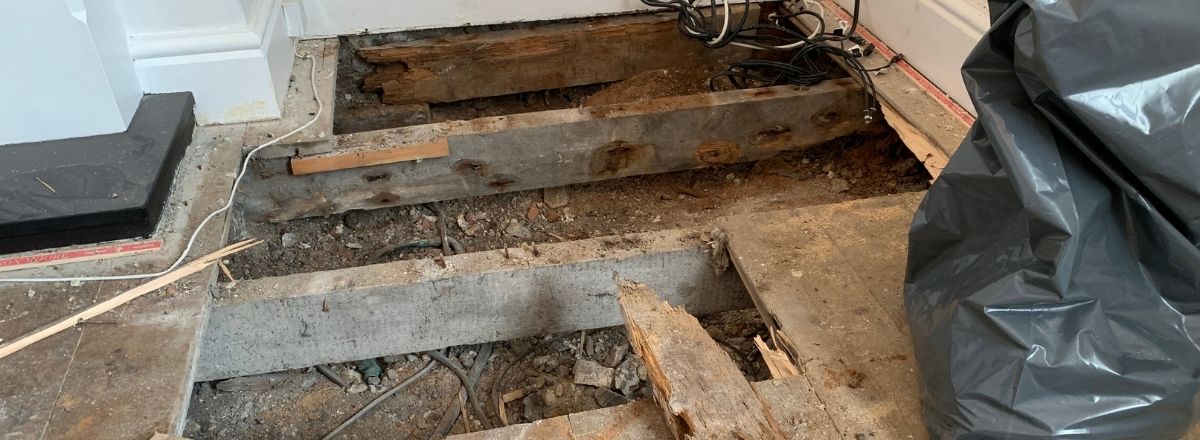
Drying and monitoring
While it is ideal to leave exposed walls to dry out fully, in practice, this is not always possible, and they are often replastered sooner. We use breathable plaster that allows residual moisture to escape, supporting the ongoing drying process. In some cases a dehumidifier can be used to aid in the drying process.
Replastering using salt resistant plaster
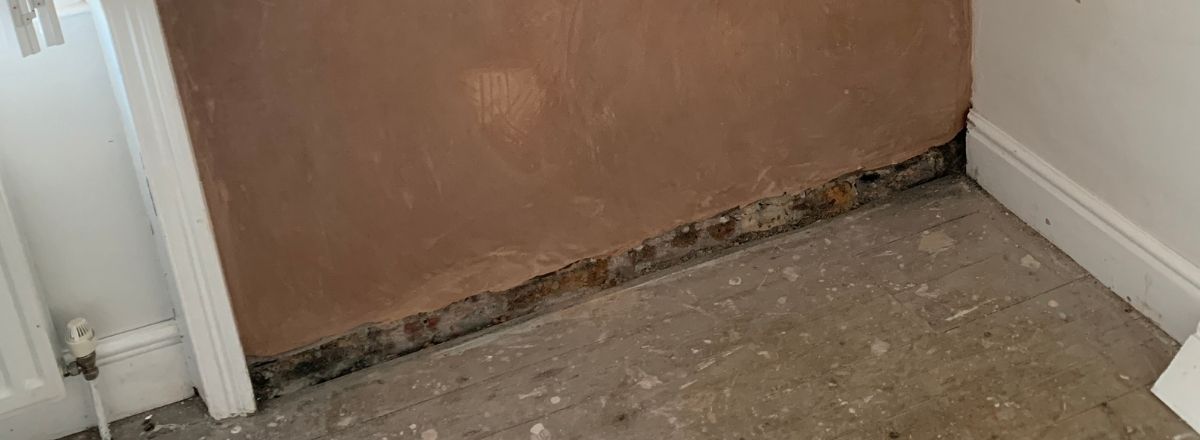
Breathable, Salt resistant plaster is applied to protect the treated wall and support the drying process during replastering.
This is required as the masonry walls may still contain hygroscopic salts brought upwards through the ground. If left, these salts can continue to migrate to the surface and cause damp patches and salty formations to reoccur.
Finishing touches
Once any timber repairs have been completed, skirting boards will be refitted before the technicians clean up the site. Details on the drying times of any plasterwork will be detailed in the survey report. Final decorative finishes can then be added to restore the wall’s appearance.
Long term guarantees:
Typically, rising damp treatments carried out by Peter Cox are backed by our long term guarantees. This provides the security and peace of mind that comes from knowing that should something go wrong, then we will be there to put it right.
Peter Cox has been in the property preservation industry since 1951, and have provided thousands of damp treatments for domestic homeowners, commercial clients and historic buildings over our long history.
Costs involved with rising damp treatments
Estimating rising damp treatment costs without a professional rising damp survey is difficult, as prices vary according to factors like the extent of moisture damage, wall construction and access requirements. The costs of damp proofing will not be known until the property is surveyed, the source of the damp is found and the extent of the problem confirmed.
After your survey, we’ll provide a detailed survey report which will outline the surveyors findings along with a quote for damp proofing tailored to your property, outlining each recommended treatment stage and the associated costs so you will know exactly what to expect before any work begins.
If no damp proofing is required, this will be made clear in the report.
Rising Damp Treatment FAQ
-
How long does rising damp treatments take?
The duration of rising damp treatment varies with the severity and whether remedial work is required. Chemical injections typically require one day for drilling and injection, followed by a 6–12 week drying period. Physical barrier installations may take 2–3 days, including preparation and finishing. Our surveyor will provide a clear timeline so you know exactly what to expect and when your home will be fully restored.
-
What is the best rising damp treatment?
The best treatment for preventing the upward movement of groundwater in walls is the installation of a damp proof course (DPC). These are normally installed when a property is being built, but some buildings may not have them or have physical slate barriers, which may have cracked. A remedial DPC can be installed using a chemical damp proofing cream that creates a waterproof barrier, preventing the upward movement of moisture.
Next Steps
*Survey enquiries for your local branch will be directed to our dedicated central survey control teams across the UK. Calls to 0800 and 0808 numbers are free unless you are calling from a business phone, in which case the rate will be set by your provider.