
Call Today on 08082508820 * or Book a Survey Online
Stopping Condensation on Walls - Expert Advice
Condensation on internal walls is a common problem that many homes face in the UK. This is because large numbers of traditional properties were built before the adoption of cavity wall construction. In a solid wall property both damp and cold can pass from the outside to the inside far more easily. Condensation can appear on walls at any time of the year, but it is most common during the colder months of the year.
If you are noticing damp walls that are wet to the touch, beads of water running down surfaces and steamed up windows, this is an indicator that you have a problem with condensation. This happens when warm, moist air meets a cold surface. The air is unable to hold as much moisture at the colder temperature so it condenses on the surface, releasing water droplets. You may be able to make practical changes to prevent a condensation problem, but sometimes it requires condensation control measures like improving ventilation or the thermal efficiency of walls and ceilings.
Peter Cox have been carrying out condensation control for homeowners, social housing providers and commercial partners across the country since 1951. We can provide you with a condensation survey to fully understand why your walls are becoming damp, and provide you with specialist advice and recommendations, no matter where you are in the country.
Why Are My Walls Wet?
Walls can become damp from numerous problems, such as rising damp and penetrating damp, but the most common form of damp in the UK is condensation, affecting 1 in 5 properties every year.
Warm humid air is produced through everyday activities such as cooking, washing and cleaning and sometimes it can become trapped in the internal environment of your home. The reason it then condenses on walls is because they are a cold surface, the same way condensation forms on a drinks glass on a warm day. If the problem is confirmed as condensation, the surface of the wall may be wet but the masonry inside the wall will be dry.
Over time, damp walls will lead to wallpaper or paint degrading and peeling, musty smells and even mould growth. This can lead to potential health hazards. Although common in high humidity rooms like the kitchen and bathroom, condensation damp on your walls can be a sign that there is a more serious moisture problem in your home.
You will need to address the excess moisture in the atmosphere, and make improvements to the thermal efficiency of walls that are affected by condensation.
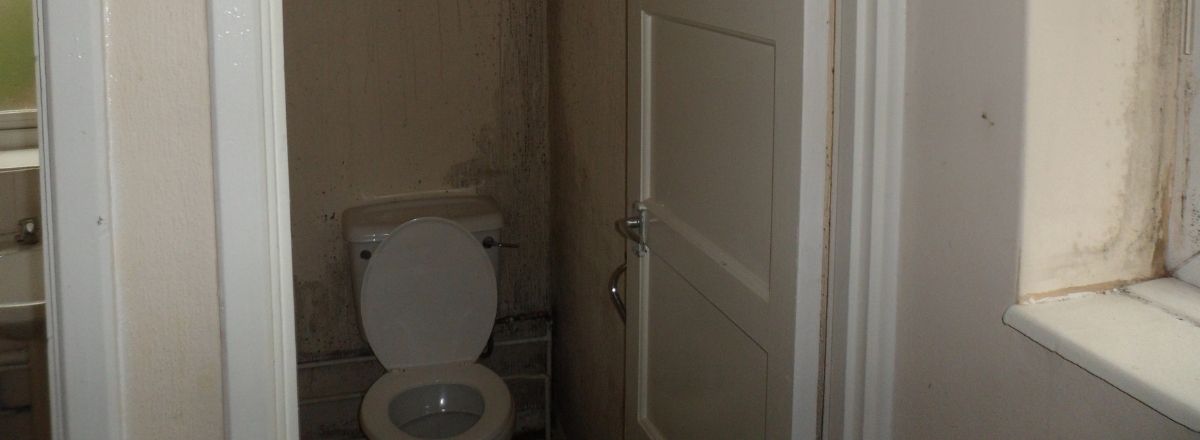
Condensation on Walls
External walls can be less insulated, making them more susceptible to condensation. This is because as temperatures drop outside, these walls will become colder. This then causes a condensation problem on internal wall surfaces in your home.
This can be addressed by solutions such as cavity wall insulation, but this isn’t possible for all types of properties, such as buildings of solid wall construction.
Many condensation problems occur in north facing rooms - this is because they receive less sunlight and are therefore cooler than south facing rooms. Get a compass out (many phones have a compass app) and check if the affected walls are north facing. This could be another indication that it is a condensation problem.
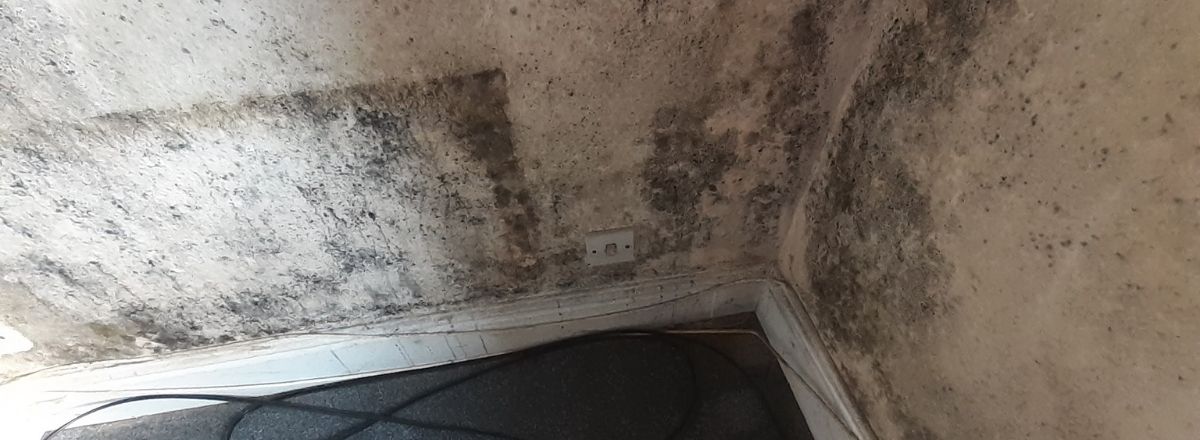
Signs of a Condensation Problem on Walls Include:
- Damp patches
- peeling wallpaper or flaking paint
- Musty smells in affected rooms
- Black mould growth
- Visible condensation on bathroom tiles or windows
- Water droplets forming and running down the walls
- Rotten skirting boards
Condensation on Ceilings
If you have a condensation problem on ceilings, you may have a problem with the amount of insulation in the loft space above. Make sure that your loft is adequately insulated to help keep heat inside the property, and reduce your energy bills. If the condensation and mould is patchy or has straight edges, it is possible there are missing sections of insulation.
Mould or damp ceilings are an indicator that there is excess moisture in the property, and you need to take action to reduce the amount of moisture produced, and improve ventilation.

Because this patch of mould has straight edges, it’s possible that two sections of insulation in the loft are missing.
Stopping Condensation on Walls
To stop condensation on walls there are steps you can take to help solve the problem. But if the problem persists, and you continue to notice condensation and mould forming, you may require professional help.
Moisture Control for Damp Walls
- Cover pans when cooking, as the moisture vapour produced will condense on cold walls
- Take quicker showers if possible and ensure either the extract fan is on or a window is ajar to vent the steam
- Try to avoid drying your clothes indoors, particularly on radiators. If this isn’t possible, dry your clothes in a room with the door closed and window open so moisture can escape or use the bathroom with ventilation
- Maintain a constant temperature to prevent hot cold cycles
- Move furniture away from walls as this can prevent airflow, as can long curtains
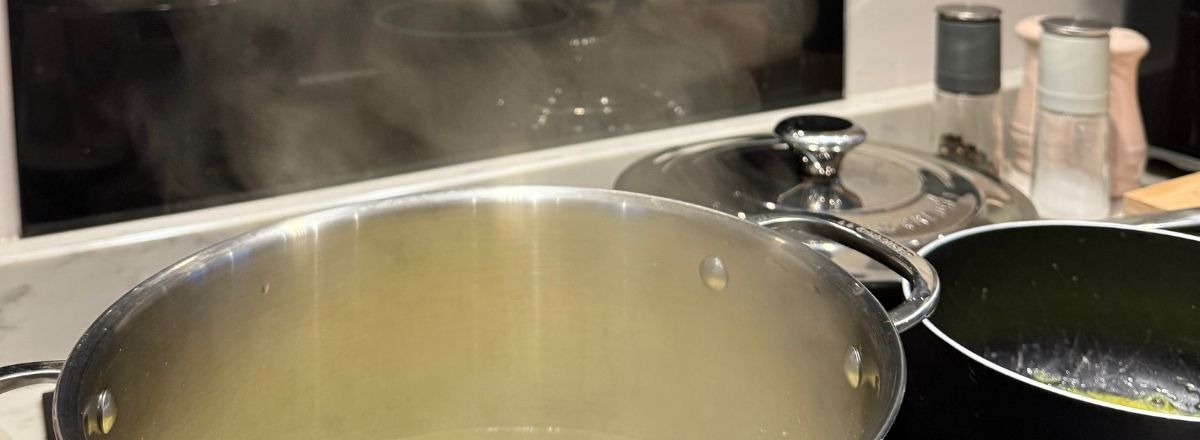
Make sure pan lids are used when cooking to prevent moisture escaping and condensing on cold surfaces
Improve Ventilation to Stop Wet Walls
- Open windows or trickle vents in affected areas
- Close doors when showering or cooking to prevent the moisture flowing into other rooms and condensing on cooler walls
- Make sure extractor fans are working correctly
- Use extractor fans for 10 minutes after cooking and cleaning to help remove the excess moisture and stop it condensing on walls
- Install PIV units if the problem persists
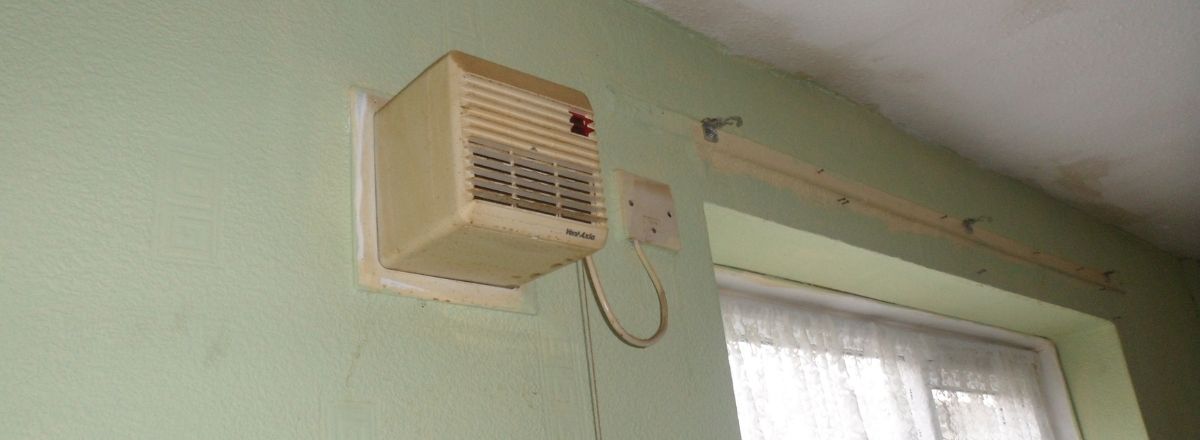
Make sure extractor fans are working correctly and use them when showering and cooking. If the fan flow cannot hold up a square of toilet tissue, there is an issue.
Thermal Improvements for Cold Walls
- Thermal plastering can be used to increase the thermal efficiency and prevent cold spots
- For isolated areas of condensation, where thermal plastering may not be possible, anti-condensation paints can be used to create a thermal barrier to prevent mould growth
- Install adequate insulation in your loft spaces to help improve the thermal efficiency of the home
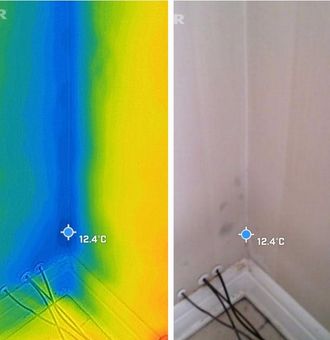
Thermal imaging cameras can be used to identify cold spots on walls, identifying where condensation problems may occur
Condensation on Windows
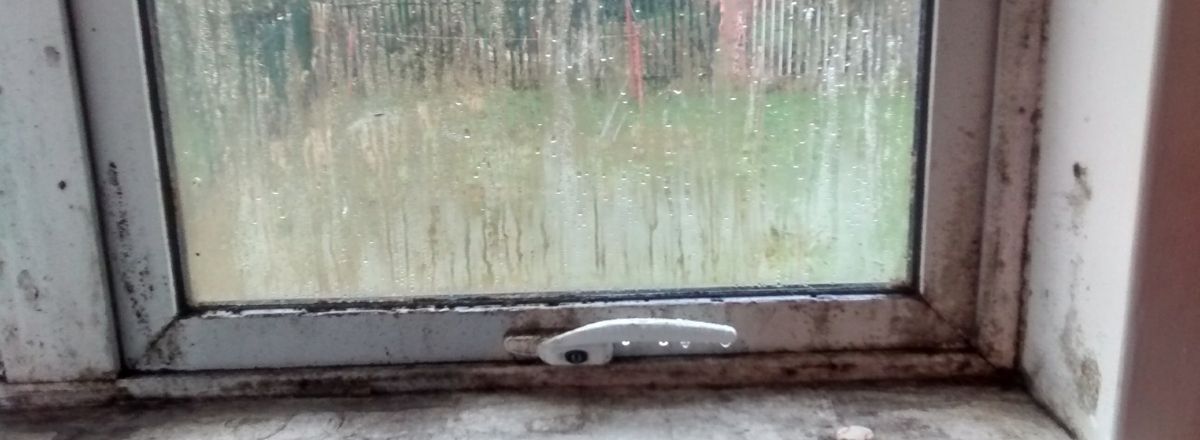
Condensation forming on windows is one of the most common signs of a condensation problem for homes in the UK. This is because the window pane is a cold surface that excess moisture in the atmosphere will condense on, leading to water droplets forming. If there is enough moisture in the internal environment windows will stream with water droplets and can run down onto window sills. This will lead to mould growth if you do not address the problem.
Condensation on Bay Windows
You may also notice a condensation problem on bay windows. This is because they are set forward from the rest of the property - meaning they have a reduced thermal efficiency. The temperature of bay windows can drop when temperatures reduce outside, or when it's windy. This can lead to warm moisture condensing on bay windows and walls. They are also a favorite location for a large settee and this can block free air circulation which would warm the wall.
How to Prevent Condensation on Windows?
Ensure that trickle vents (if they are fitted) are open and functioning correctly. Regularly wipe down windows to remove moisture, but remember to wring out the cloth in a sink and consider using moisture-absorbing products.
Move furniture out of bay windows to increase air circulation and prevent stale air condensing on these cold surfaces. Increase the thermal efficiency of the area through isolated sections of thermal plastering.
Upgrading to double-glazed windows can also help reduce condensation forming, but will not address the excess moisture in the property or the cold wall surface, particularly if ventilation is reduced.
Condensation Experts - Peter Cox
If you are concerned about cold damp walls in your property, get in touch with Peter Cox and we can help you get to the bottom of the problem. A qualified surveyor from a branch local to you will carry out a thorough condensation survey, examining why your walls are damp, before providing you with a detailed survey report outlining their findings.
Peter Cox surveyors are typically CSRT or CSTDB qualified, meaning they can use their expertise and knowledge to fully understand the condensation problem at hand.
Damp walls and damp windows FAQs:
-
Should I wipe condensation off windows?
Yes, you should wipe the condensation off windows when they are streaming with moisture and before it can evaporate off into the room. If left, the condensation will cause mould growth on the window frame and window sill. You can wipe away the condensation with a soft cloth, but make sure to wring this out in the sink to get rid of the excess moisture. Open trickle vents or look into other ventilation options to prevent the problem from reoccurring.
-
Is it normal to have condensation on windows every morning?
Yes, some condensation at the bottom of the pane is completely normal on double glazed windows, especially during the colder winter months. If it clears quickly this does not indicate a problem. If you notice it getting worse, or you notice mould growth, you may need to consider increasing ventilation to prevent further issues.
-
Why does my ceiling look like it's sweating?
Your ceiling may look like it’s sweating because warm moisture laden air has condensed on the cold ceiling, causing water droplets to form. This is because there is a lack of insulation in your loft space - and the ceiling has become a cold bridge, allowing moisture to condense. Look at improving insulation levels and improve ventilation to help remove the excess moisture in your property. If you are in a concrete structure building it is possible the sweating ceiling is in fact mass concrete which has reached 'dew point'. In this case you need to improve heating and ventilation or reduce moisture production.
-
Is condensation on a ceiling normal?
No, condensation on a ceiling is not normal, this indicates that your ceilings are cold and moist air is condensing on these surfaces. If left it could lead to mould growth. You should remove the cold spot by increasing the insulation levels in the attic, and increase ventilation in your property to help remove excess moisture.
-
What can I put on my walls to stop condensation?
If walls are cold, warm humid air will condense on these surfaces making them wet. To help improve this you can increase insulation levels through remedial cavity wall insulation, but this is not always possible. Other options include anti-condensation paint for isolated problem areas, or thermal plastering for walls. These help improve the thermal efficiency of walls and prevent condensation from forming, and therefore inhibiting mould growth.
Next Steps
Condensation treatment options
*Survey enquiries for your local branch will be directed to our dedicated central survey control teams across the UK. Calls to 0800 and 0808 numbers are free unless you are calling from a business phone, in which case the rate will be set by your provider.