
Peter Cox Industry Accreditations
We are proud of all of our accreditations. Read a full list here:

Call Today on 08082508820 * or Book a Survey Online
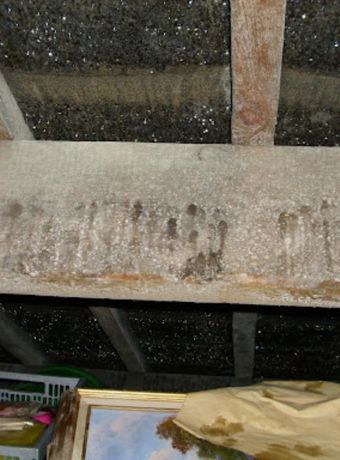
If you have noticed moisture forming in your loft, attic or roof space you may have a problem with condensation. This has become a more common problem since the widespread use of double glazing and deep loft insulation, if good ventilation is not maintained. Moisture rises up through the property and enters the loft space via the ceiling, loft hatch or uncovered downlighters. If left untreated it can lead to black mould growth and other structural problems such as woodworm, wet rot and dry rot.
Lofts are designed with ventilation at eaves, ridge or through breathable felt, but sometimes this can become blocked, meaning any moisture in the loft is unable to escape, and will condense on cold surfaces like roof timbers.
If your property has had sprayed foam loft insulation installed either to secure damaged tiles or to provide insulation, always seek professional advice before taking any corrective actions. You may be able to take steps to solve the excess moisture affecting your loft space, but if the problem persists you may require professional help in the form of a condensation survey.
If moisture is unable to escape your loft space, it will remain trapped and will condense on cool surfaces. This means you need to remove excessive moisture from the loft space, and increase ventilation.
Here are some causes of condensation in lofts and attic spaces our surveyors come across regularly:
While insulation is important to keep heat inside your home and help reduce energy bills, if installed incorrectly it can lead to condensation problems. This is particularly true if sprayed foam insulation has been fitted for the wrong reason.
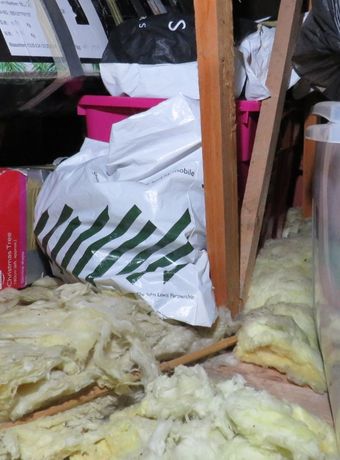
If insulation is piled up or laid too deep, it can block soffit ventilation or gable air bricks and this will prevent excess moisture from escaping.
Lofts should be designed with ventilation in mind, but sometimes this isn’t the case. Make sure there is enough ventilation in your roof. If trapped moisture cannot escape it will remain in your loft, condensing on cool surfaces.
Sometimes there are enough air vents, they have just been blocked with furniture and stored goods. Make sure storage boxes and other items are stored away from vents so they do not obstruct airflow. Loft boarding may be useful to create new storage space with adequate air flow.
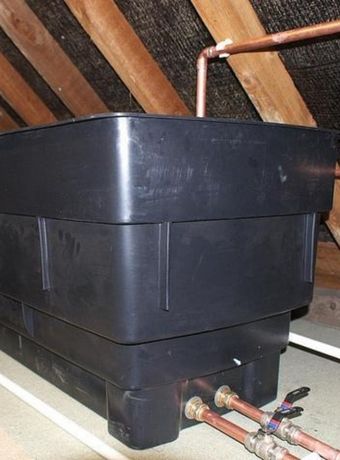
If your property has a water tank in the loft, make sure it has a lid to prevent moisture from evaporating and birds or rodents drowning in it. Even though it is a cold water tank, you would be surprised how much water vapour can rise from it and cause condensation issues if there is a lack of ventilation.
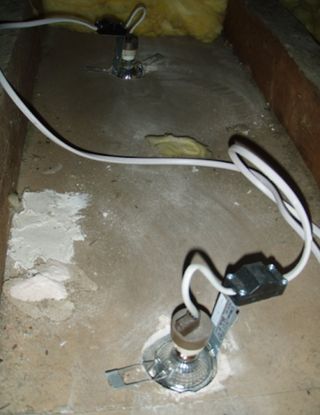
If there is a lot of moisture created in a property, as heat rises the moisture flows into the loft space, condensing on cold surfaces. Make sure your loft hatch is closed at all times and insulated. Excess moisture can also enter the loft space via the ceiling and uncovered downlighters. It may then become trapped under the insulation.
Here are some tips to prevent condensation forming in your loft space.
To get rid of mould in your loft, you need to address the source of moisture that is causing mould spores to germinate. By improving ventilation you will allow trapped moisture to escape, preventing a future problem. Double check insulation is not blocking any vents in your loft space. The mould can then be manually wiped away with a mix of bleach and water. Make sure to wring out the cloth into a sink to prevent moisture reentering the atmosphere in your property.
If the problem persists you may require a condensation survey to fully understand the internal environment inside your property, with advice and recommendations from a qualified professional.
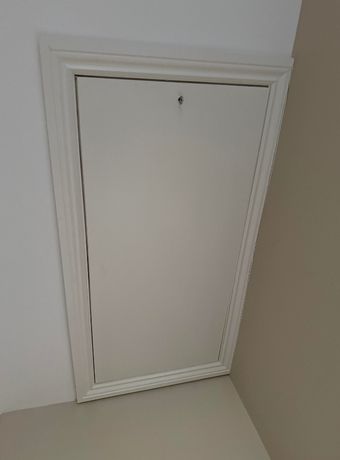
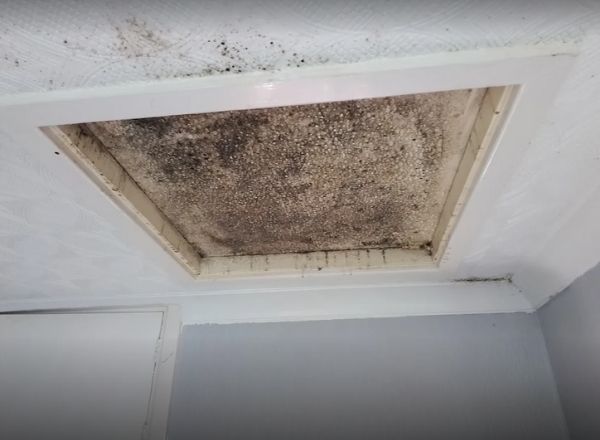
Loft hatches will prevent moisture from entering the loft space from the property below. Sometimes loft hatches can become mouldy as they provide a cold surface for moisture inside the property to condense on. To solve this issue you will need to address the cold loft hatch by improving insulation. This can be done by insulating the loft hatch with a layer of insulation such as foam boards or wool insulation.
In some properties there are two loft hatches, one above the other at ceiling and loft floor level. If both are not insulated, condensation will form in the void between them and shower downwards.
When carrying out repairs, fitting lights or any other manner of task that requires insulation to be removed in the loft, make sure that you place the insulation back down property. Otherwise cold spots can form where the insulation is missing, allowing for warm moist air to condense on this cold surface.
When working in loft spaces, make sure insulation is placed back correctly.
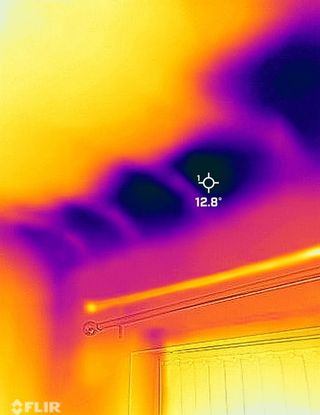
Thermal imaging camera highlighting where insulation has been removed in the loft space.
If insulation is missing from a ceiling, but there is not a constant issue with moisture production in the property, mould will not form on the cold bridge. However, what will happen over an extended period is dust will attach to the slightly damp surface of the ceiling. This dust shadow will be an image of the issue in the loft.
Condensation in lofts is a problem that affects many properties in the UK every year, but it is not normal and will need to be addressed. It is caused because moisture is trapped in the loft space, without adequate ventilation to allow for it to escape. You will need to understand where the moisture is coming from, and how to prevent it. If left, this can lead to problems such as black mould, wet rot or dry rot, leading to potential costly structural repairs in the future.
To fix a condensation problem in your attic you must first increase the ventilation so trapped moisture can escape, while trying to reduce the amount of moisture able to enter the attic space. Double check that insulation is not blocking existing vents, or consider installing additional vents to help air circulate. Make sure loft hatches are closed to prevent moisture flowing into the attic, and use extractor fans when cooking and cleaning to reduce the amount of moisture in the air.
If you have condensation in your attic you may be worried, but you can carry out simple steps to help prevent it occurring. Make sure there is enough ventilation to allow moisture to escape, either double check existing vents aren’t blocked or install new vents. Make sure insulation and stored goods aren’t blocking air flow. If the problem persists you may require professional advice to prevent the problem. If left untreated a condensation problem could lead to structural problems such as fungal decay, which can be very worrying for homeowners.
Properties are more likely to have a condensation problem in winter, and that is the same for loft spaces. It is however essential to prevent this problem as it can cause structural damage if not addressed. Colder weather means that there is an imbalance of temperatures between the warm air inside a property and cold surfaces, meaning condensation is more likely to form. Lofts should have adequate ventilation to allow for any trapped moisture to escape, stopping it from condensing on cold surfaces.
*Survey enquiries for your local branch will be directed to our dedicated central survey control teams across the UK. Calls to 0800 and 0808 numbers are free unless you are calling from a business phone, in which case the rate will be set by your provider.