
Call Peter Cox on 08082508820 * or Contact Us Online
Type C Waterproofing - Cavity Drain Membranes
Below ground walls and floors often suffer from damp and moisture ingress, which can lead to damp patches, pooling water and mould growth. This is because the ground surrounding the walls is saturated with groundwater, which can penetrate into the fabric of the building. Unlike tanking, cavity drain membrane systems allow for water to enter the internal space, using a series of membranes to create a system that uses strategically placed air voids to depressurise and then manage the water away from the structure typically via a sump pump. This technique is referred to as a ‘water management system,’
A Type C waterproofing system is often used in conjunction with other forms of waterproofing to provide a thorough and robust solution to water ingress. Leaking basements and cellars are prime candidates for cavity drain membrane systems. Once the membrane has been fixed to the wall it will remain in place effectively keeping out water, as long as it is not disturbed or punctured by drilling.
Cavity drain membrane can easily be plastered or boarded over allowing you to renovate your now dry basement or cellar in any way you wish. This system is often used in conjunction with other waterproofing methods to create a dry and habitable internal environment in accordance with BS8102 guidelines.
If you are considering waterproofing your basement or cellar to create extra living space, we have produced this guide on waterproof membranes and cavity drainage systems, and how they are used as part of a comprehensive waterproofing system. When you are carrying out waterproofing you should always use a reputable company along with CSSW qualified surveyors, who can provide you with expert advice and solutions based on British Standard 8102, the industry standard for below ground waterproofing.
Peter Cox are experts in waterproof membrane installation and keeping below ground spaces dry, we have been installing basement waterproofing systems across the UK for decades.
What is Type C Waterproofing?
Type C waterproofing, often known as drained protection or cavity drain membrane systems are used to create a robust water management system. It doesn’t prevent moisture from entering, but controls it away from the internal space using membranes and drainage channels. It is often seen as a ‘failsafe’ option for below ground waterproofing which can deal with moisture penetration and even flooding if designed correctly.
Membranes are wrapped around the walls, laid across the floors and sealed using waterproof tapes. The studded profile on these membranes creates a hidden drainage space that allows water ingress to de-pressurise and then collect and run to a perimeter drain. Maintainable perimeter drainage channels allow the water to drain away by gravity or to a sump pump, before being discharged to a suitable location. These systems can easily be installed to stonework, brickwork, blockwork or concrete walls making it a versatile and flexible system for waterproofing basement and cellar conversions.
The system must be designed correctly by a qualified professional, and installed and sealed with great care to prevent moisture, dampness and smells from penetrating into the habitable environment.
You should always use a trained and qualified CSSW professional to design a waterproofing system. Inexperienced installers can make mistakes that lead to extremely expensive remedial works being required and damage to stored goods and furnishings. Type C waterproofing is often used as part of a combined waterproofing system to meet BS8102 guidelines, to mitigate the risk of failure.
What is Waterproof Membrane?
A waterproof membrane is a continuous watertight layer of material which is applied to a surface to prevent moisture ingress from passing into the internal environment of a building. These large rolls of material are typically made from high-density polyethylene and are designed to withstand changes in seasonal temperatures and exposure to moisture. They have many different purposes, and can be used in roofs, walls, floors and basements to prevent water damage, mould and fungal decay. As part of a basement waterproofing system they create a continuous barrier that prevents water from entering while dealing with
hydrostatic pressure.
Membranes have different sized studs, but generally for basement waterproofing they are 8mm deep for walls, and 20mm deep for floors. These gaps create a cavity for moisture to run into the drainage system. They are versatile and flexible, joints are sealed with waterproof tape and can be installed onto stonework, brickwork, blockwork or concrete walls - making them ideal for different types of properties.
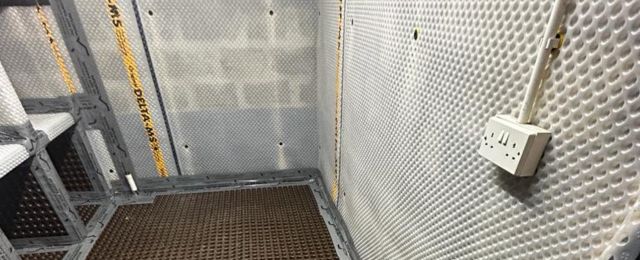
Waterproof membranes can be used to create a watertight barrier in below ground walls and floors.
Cavity Drain Systems
Type C cavity drain systems are the most highly recommended and considered to be the most reliable and risk-free type of waterproofing, as a single system and the ultimate contingency plan for internal environments that must be kept 100% dry. When designing a waterproofing system to BS8102 standards, a Type C waterproofing system can be used in addition to Type A and Type B systems.
A CSSW qualified surveyor from Peter Cox will be able to carry out a comprehensive waterproofing survey and design a cavity drain system to help keep your below ground space dry. We will work closely with you to provide a structural waterproofing system to suit your needs, in accordance with current legislation and best practice.
Membranes will be installed to walls and floors, with a small gap between the wall and the membrane which will depressurise and guide the moisture to newly installed maintainable drainage channels. These in turn will direct the moisture to a sump pump, or away through gravity drains, depending on the scenario.
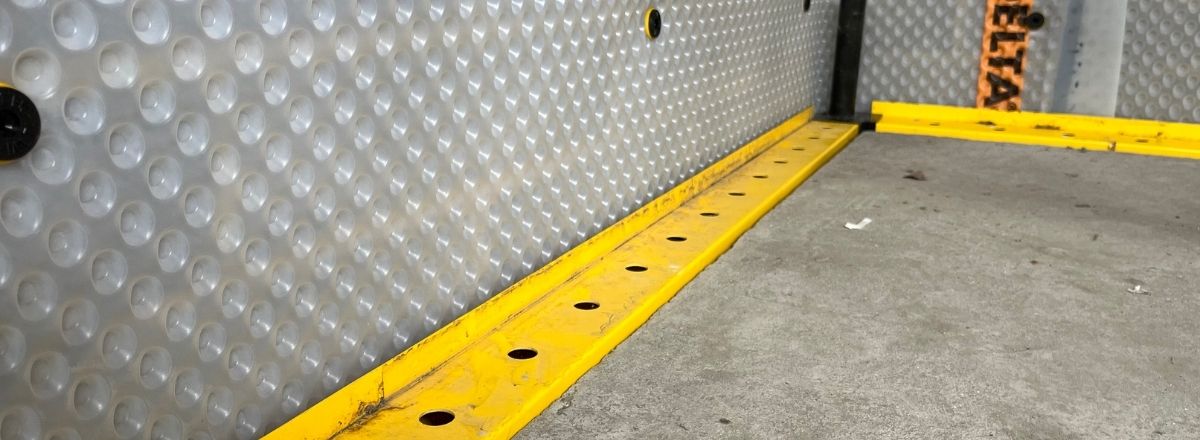
The membrane will guide water into perimeter drainage channels, which then directs it to a sump pump or away from the property through gravity drains.
The internal wall finishes can be either a plasterboard dry lining system or plastering directly onto the membrane. Floor finishes can be insulated and are either screeded or timber boarded. Once fully installed you will have a habitable and dry below ground space, ready to be used.

A CSSW qualified surveyor will design a Type C cavity drain system specifically for your below ground space.
Installing Cavity Drain Membranes
It is essential that you use a reputable company with experienced CSSW qualified surveyors and technicians who are knowledgeable regarding the correct methods for fitting these systems. Inexperienced installers can make mistakes that lead to extremely expensive remedial works being required. If you choose to go ahead with a waterproofing system designed by a CSSW qualified Peter Cox surveyor, our trained and competent technicians will begin the process of converting your damp basement into a habitable space.
Once our technicians prepare the surface by removing old damp affected plaster and salts, then they can begin cutting the sheets of membrane to size. Membranes are installed onto floors and walls, and joints are sealed with butyl tape in order to create a fully waterproof system.
For the tanking membrane to be an effective barrier to water ingress and water damage, every precaution must be taken to ensure that the cavity drain membrane is carefully and completely sealed off.
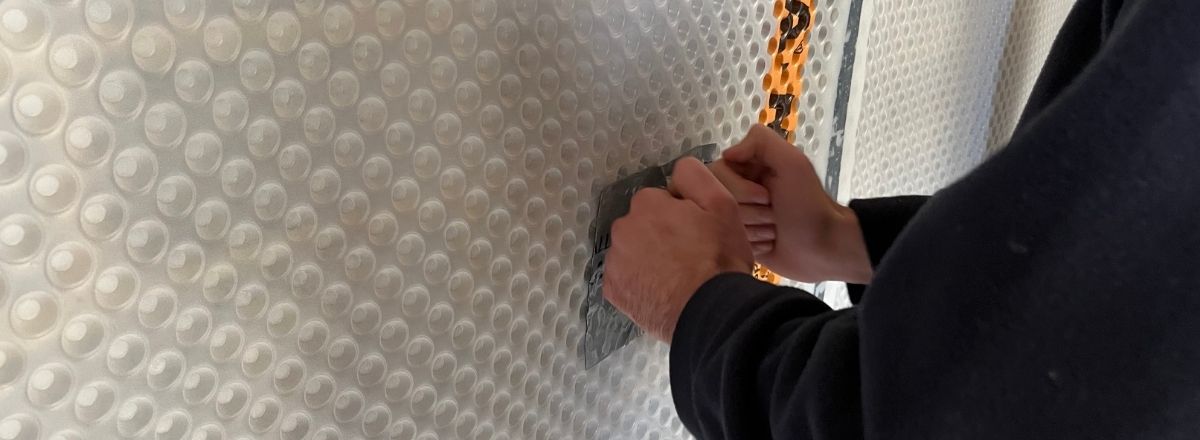
Peter Cox technicians go through vigorous on-site training to install cavity drain systems.
The cavity drainage membrane is fixed to the wall using watertight self-sealing fixing plugs. These plugs can accommodate a screw for subsequent installation of wall ties and/or dry lining systems.
We will then install suitable drainage channels with inspection ports around the perimeter of the room to ensure that any water is filtered out of the property. Sump pumps are designed in each instance to handle ingressing water, preventing water from entering the internal space, they are protected with high water level alarms and battery backups which can be remotely monitored if required - therefore protecting furnishings and stored items from damage.

Cavity drain systems are versatile and can be designed to suit any type of below ground space.
The internal wall finishes can then be installed by a directly applied plaster where meshed membranes have been used. Alternatively waterproof fixing plugs can be utilised to secure battens or a stud frame prior to insulating and dry lining with plasterboard. This can then be decorated to suit your design.
The floor membrane has deeper 20mm studs for extra drainage capacity and can be finished either with a concrete screed or a chipboard flooring, laid directly onto the membrane. Where required, ventilation and heating may need to be improved in the below ground space, the surveyor will provide details of this in the survey report.
Perimeter Drainage Systems
A Type C system will require the installation of a new maintainable perimeter drainage channel to divert and discharge moisture. They are installed at the wall floor joint, and are installed directly into the floor slab, this will direct moisture into sump chambers or gravity led drains.
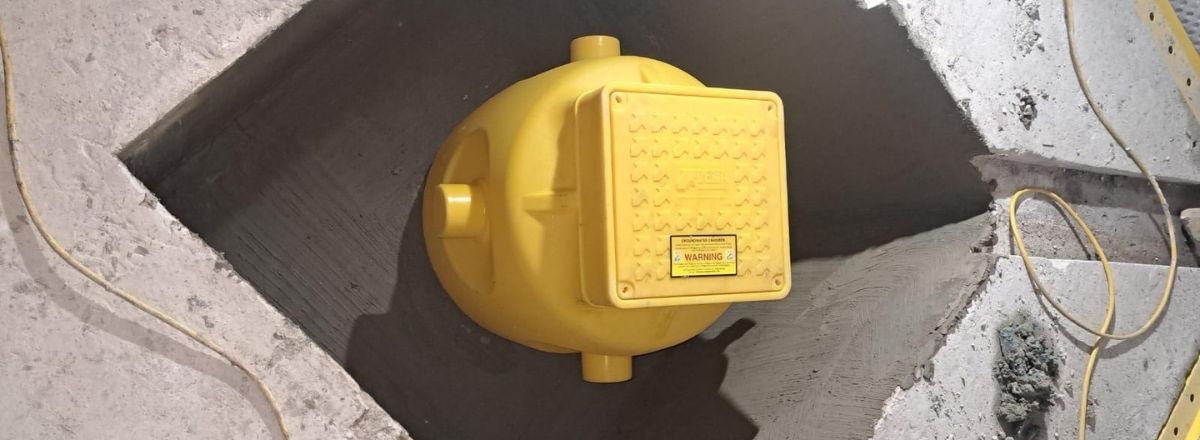
Perimeter drainage channels direct water into the sump pump, which is installed directly into the floor slab before the surrounding hole is filled in.
Sump Pumps
Although some cavity drainage channels will divert moisture via gravity to a suitable outlet, in most cases a sump pump is required. These are responsible for discharging moisture away from the below ground space, a key element to keep the internal space dry and to prevent flooding.
Sump pumps come in various sizes and designs, and should always house at least two pumps (a primary and secondary backup pump), increasing the efficiency of the system. They are built to deal with high levels of water which has accumulated in the system, giving homeowners peace of mind during periods of high rainfall or flooding.
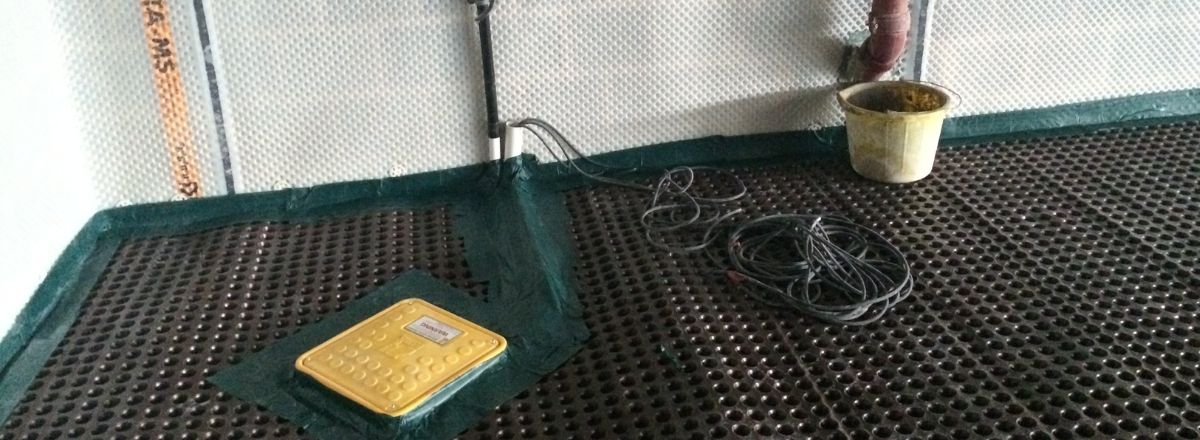
Sump pumps are built into the floor slab and will require access for maintenance.
Maintenance of a Type C System
Like many installations, maintenance is required to keep the system working as intended. It is essential that at no point are the membranes installed on walls or floors punctured. This could lead to moisture ingress into the internal living space.
Although Type C systems require upkeep, the reliability of the system as a failsafe makes it worthwhile. The main issue that these systems face is free lime buildup which can block the drainage - meaning anti-lime treatments are required to prevent build up. Lime can be present in some groundwater but in particular can leach out of fresh concrete unless it is treated to prevent leaching.
Sump pumps will need to be checked and serviced annually, as well as tests to the battery backup and alarm systems. These systems allow continued operation in the event of a power supply failure.
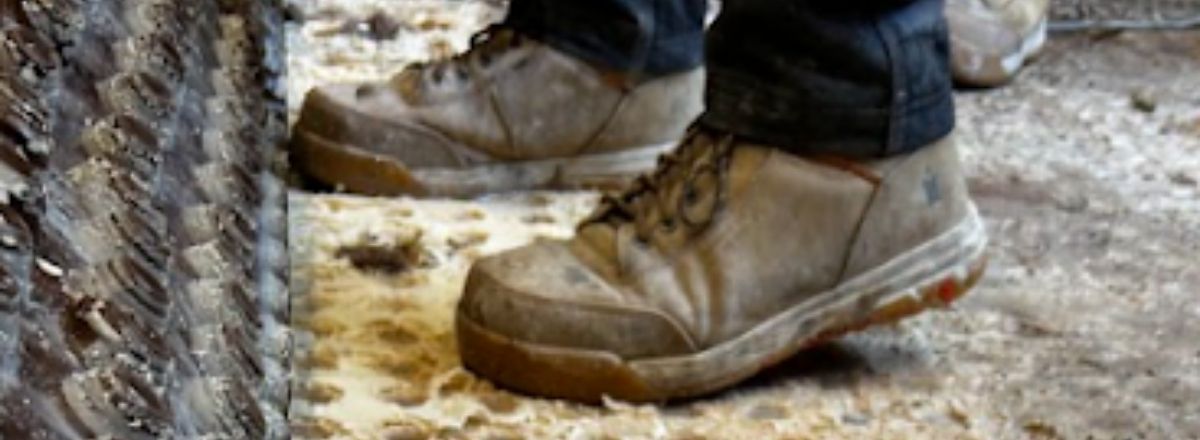
Lime build up under a floor membrane.
Advantages of a Cavity Drain Membrane System
-
Flexibility - A Type C system can be designed and installed to suit the specific requirements of the property, taking into account flood risk and the size, layout and characteristics of a below ground space. It can be used on different types of masonry and does not add load onto the fabric of the structure, meaning it is perfect for remedial waterproofing on existing structures.
-
Reversible - Cavity drain waterproofing is a reversible system, making it a useful way to waterproof listed and historic buildings which may require a more sympathetic approach.
-
Failsafe - Type C systems are designed to deal with water ingress, meaning your property is protected from flooding and severe weather.
-
Maintainable - When designed and installed correctly, it provides the homeowner with inspection points that can be maintained over the lifespan of the system.
-
Guaranteed - When designed in accordance with BS8102, the system is backed by a 10-year guarantee but in reality will last for decades subject to servicing.
Why Choose Peter Cox for Membrane Waterproofing?
Peter Cox are the go to installers for below ground waterproofing, and are the market leaders in property preservation. From our network of local branches we have a number of CSSW qualified surveyors with the knowledge and experience to advise on Type C waterproofing.
No matter what type of project, we can work with homeowners, architects, contractors and builders to design a waterproofing system to suit your needs. We will be involved through the process step-by-step, from design to completion. We can design systems to British Standards 8102 - the industry standard for below ground waterproofing in the UK.
Technicians local to you will install the membrane system, while using the correct products, installed as intended. This is a hugely important step as one mistake and the waterproofing could fail, leading to a system failure and moisture ingress.
Peter Cox are approved installers of Delta, Koster, Newton and Safeguard waterproofing products, and all of our technicians undergo rigorous in-house and onsite training in order to be able to qualify as a trusted partner.
We are rated ‘Excellent’ with over 2,500 independent reviews on Trustpilot and are a Which? Trusted Trader, CHAS and Safecontractor approved and are registered as a Quality Assured Firm under ISO 9001.
Next Steps
*Survey enquiries for your local branch will be directed to our dedicated central survey control teams across the UK. Calls to 0800 and 0808 numbers are free unless you are calling from a business phone, in which case the rate will be set by your provider.