
Call Peter Cox on 08082508820 * or Contact Us Online
Dry Rot Treatments in a North Yorkshire Property
Dry rot can affect buildings built using structural timber, especially older and listed properties which are more susceptible to building defects as regular maintenance is not undertaken.
Where timber is in contact with damp masonry, or building defects allow moisture to penetrate into the fabric of a building, fungal decay can occur.
Peter Cox were called out to a property near Malton, North Yorkshire to carry out a survey and subsequent treatments for dry rot.
We have a number of local surveyors and technicians across North Yorkshire, so if you are in need of specialist advice and repairs, get in touch.
Dry Rot Survey North Yorkshire
The surveyor attended an old mill building near Malton as the owner had noticed the signs of timber decay and fungal growth within the ground floor storage and office areas.
Upon arrival, a full timber inspection was undertaken to assess the internal and external areas of the property.
Elevated moisture readings were identified within suspended timber floor structure, highlighting water ingress and poor ventilation which had affected the embedded timbers.
Clear evidence of dry rot (Serpula lacrymans) could be observed, affecting much of the ground floor. Upon inspection of the sub floor void, the extent of the damage was fully understood.
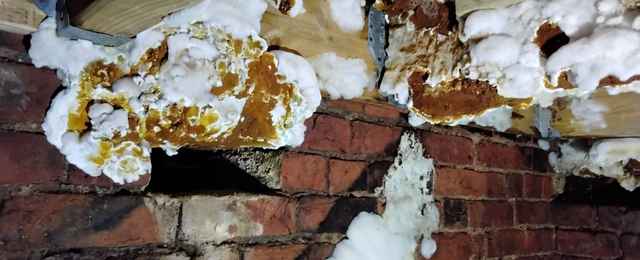
Often dry rot can go unnoticed in sub floor voids, until joists lose their structural integrity and collapse. On this occasion the fruiting body of dry rot was visible growing throughout, affecting timber skirting boards and plasterwork.
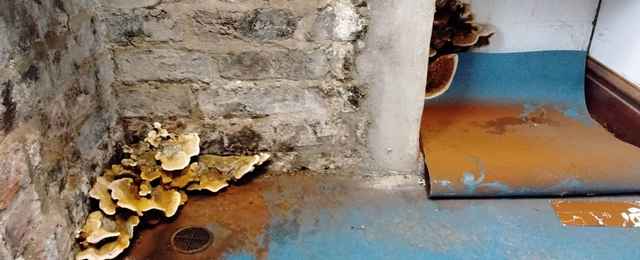
Dry rot is capable of spreading across masonry and behind plasterwork, and in this case the fungal spores had spread throughout the sub floor void, affecting many joists and floorboards.
Dry Rot Treatments
Following confirmation of the outbreak, the surveyor prepared a specification of remedial works to eradicate the dry rot and prevent further spread throughout the building.
Local Peter Cox technicians removed and disposed of all decayed and fungus-affected timber from the site. If dry rot spores are left, and a new source of moisture is found, the problem can return in the future. This is why it's important to fully understand the extent of the problem when carrying out repairs.
Contaminated plaster was hacked off to an appropriate margin beyond visible fungal growth, and masonry surfaces were wire brushed and sterilised using a fungicidal treatment in accordance with current preservation standards.
Additional ventilation was introduced beneath the suspended floor void to improve airflow and reduce the moisture conditions which had contributed to the outbreak.
Upon completion of the preservation works, replacement treated timbers were installed to reinstate the affected floor structure and joinery elements.
The surrounding masonry was allowed to dry naturally before reinstatement plastering was completed using a salt-resistant render system suitable for older solid-wall construction.
Final moisture readings were taken by the surveyor to confirm that the area had returned to an acceptable condition, and recommendations were provided for ongoing maintenance, including regular inspection of rainwater goods, external pointing repairs and continued management of ventilation levels within the historic building.
Final Thoughts
The local surveyor covering Malton and across North Yorkshire said “dry rot is a common problem in older buildings with high humidity and damp conditions. When the moisture content of timber increases, fungal spores can germinate and in the case of dry rot, spread away from the source of moisture. In order to prevent further damage, its important to act as fast as possible. Peter Cox can provide timber treatments for dry rot backed by long term guarantees, which gives owners peace of mind.”
If you are worried about a fungal decay problem in your property in North Yorkshire, get in touch with your local Peter Cox branch for an expert damp and timber survey, and specialist treatments, if required.
Next Steps
*Survey enquiries for your local branch will be directed to our dedicated central survey control teams across the UK. Calls to 0800 and 0808 numbers are free unless you are calling from a business phone, in which case the rate will be set by your provider.