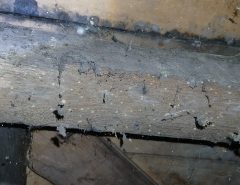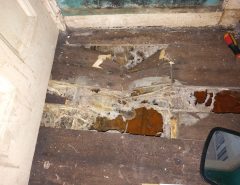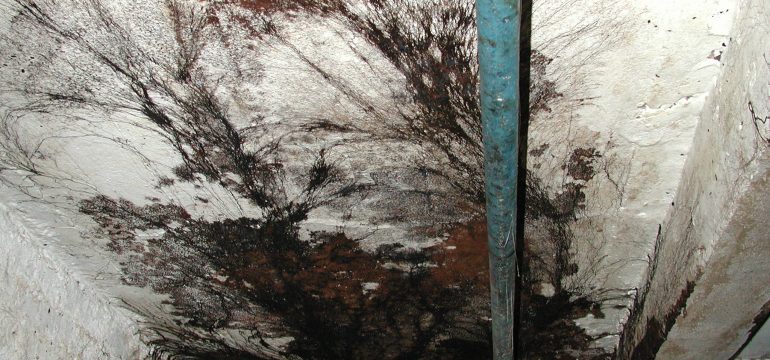

Discovering soft, decaying wood around window frames, spongy floorboards underfoot, or damp patches near skirting boards is a frustrating experience for any property owner. Structural timber forms the hidden skeleton of your home, supporting everything from your roof tiles to your floors. When water penetrates these structural elements, it opens the door to fungal decay.
Ignoring the early warning signs of timber decay is a risky strategy. What starts as a minor patch of damp wood can quickly compromise the structural integrity of your property, leading to expensive repairs.
Spotting the signs of wet rot early allows you to take decisive action, fix the underlying moisture source, and preserve your property’s long-term value and safety.
What Is Wet Rot and What Causes It?
To tackle timber decay effectively, it helps to understand what wet rot is and why it attacks your home. There are hundreds of species of wet rot in the UK, mostly woodland mushrooms, and only a few of these rarely enter the home, as they require lots of moisture.
Wet rot is a general term used to describe several species of wood-destroying fungi within the home that feed on the cellular structure of wood. The most common culprits found in UK properties are Coniophora puteana, commonly known as Cellar fungus, and Fibroporia vaillantii, commonly known as Mine fungus. Unlike dry rot (Serpula lacrymans), which can travel through masonry to infect timber in adjacent rooms, wet rot is strictly localised, though some species have mycelium that can travel across masonry surfaces. It can only survive, germinate, and feed in wood that has a high moisture content, typically between 40% and 60%.
Microscopic fungal spores (seeds) circulate naturally in the air at all times, landing on wooden surfaces harmlessly. However, when these spores land on timber that remains constantly damp due to an unaddressed building defect, they germinate. The germinating spores sprout root-like threads called hyphae that excrete enzymes to digest the cellulose and lignin within the wood, causing the timber to lose its natural density and mechanical strength. Over time, the hyphal threads grow together to form a fungal mat called mycelium.
Common High-Risk Areas
Wet rot thrives in dark, poorly ventilated areas where moisture accumulates unnoticed. High-risk zones in your property include:
- Timber Subfloors (Solum’s): Floor joists supported on damp masonry, or located near cold, damp ground, especially where subfloor airbricks are blocked or missing.
- Window Sills and Sash Frames: External timber sills and frames exposed to persistent rainwater pooling or internal condensation running down the glass.
- Roof Timbers: Rafters and joists sitting directly beneath leaking roof slates, lead valleys, or overflowing gutters.
- Plumbing Enclosures: Timbers positioned near unsealed bath edges, leaking shower trays, or slow washing machine pipe leaks.
How to Spot the Signs of Wet Rot (Early Warning Indicators)
Knowing how to check for wet rot requires using your senses to spot physical, visual, and tactile warning indicators:
The Smell: Can You Smell Wet Rot?
Yes, an active wet rot outbreak produces a distinct, heavy, and lingering musty damp odour. If you notice a persistent, earthy smell inside built-in cupboards, under floorboards, or near window surrounds, active fungal decay is likely present nearby.
Visual Signs
Visual indicators of wet rot include:
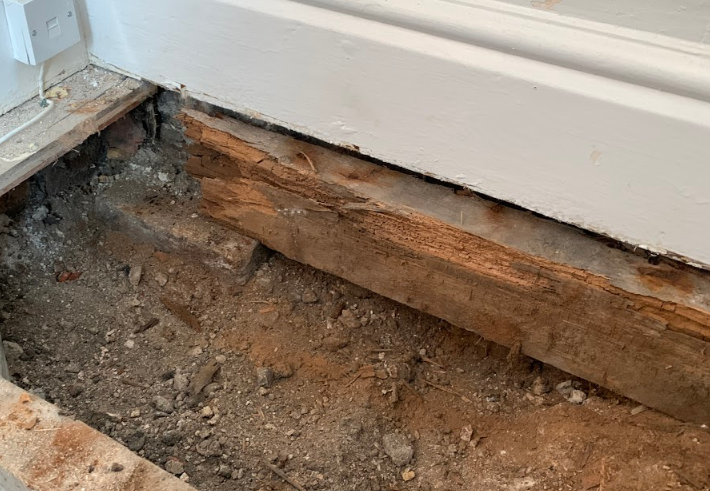
- Darkening or Localised Bleaching: Timber affected by brown rot darkens significantly, taking on a deep brown or black appearance beneath failed paint coatings. In some instances involving white rot fungi, the wood may take on a pale, bleached, or fibrous appearance.
- Flaky or Cracked Paint Finish: Paint films or varnishes will bubble, crack, or flake away as trapped moisture pushes outward from inside the timber.
- Longitudinal Cracking: Unlike dry rot, which splits wood into deep, cube-like sections along and across the grain, wet rot typically causes narrower, longitudinal cracks that follow the natural direction of the wood grain. Over time and depending on species, small cuboidal cracking may occur.
Physical Test: The Screwdriver Test
The simplest diagnostic test involves taking a fine flathead screwdriver or knife and gently pressing the metal tip into the suspect timber. Sound, healthy wood will offer firm resistance and bounce the tool off the surface. If the tip sinks in easily, or if the wood feels soft, spongy, or crumbles away under light pressure, wet rot has compromised the timber.
Wet Rot vs. Dry Rot: What Is the Difference?
Understanding whether your property is affected by wet rot or dry rot (Serpula lacrymans) is vital, as they require entirely different remediation approaches.
Key Visual and Biological Differences
- Moisture Requirements: Wet rot requires very wet conditions (40% to 60% moisture content) and remains confined strictly to the damp zone. Dry rot can establish itself at lower moisture levels (around 20% and optimum 30-40%) and is far more aggressive.
- Ability to Spread Through Masonry: Wet rot cannot grow through brickwork or plaster, though some species can grow across the surface. Dry rot forms thread-like mycelial growth that travels across and through bare masonry in search of more wood to digest. It may also form thicker strands that transport moisture to the decay front on drier timbers in other rooms.
- Fungal Growth: Wet rot rarely produces visible extensive growths or large fruiting bodies within buildings. Dry rot produces large, fluffy white or grey cotton-wool-like mats (mycelium) and fleshy, mushroom-like fruiting bodies that release a fine rust-red spore dust.
- Cracking Patterns: Wet rot cracks along the grain, with some fine cross-grain cracks, while dry rot causes deep cuboidal cracking, reducing timber to dry, brittle cubes.
Is Wet Rot Worse Than Dry Rot?
No, dry rot is widely considered far more dangerous and destructive than wet rot because of its unique ability to travel through masonry and attack dry timber across your entire house. However, wet rot should never be ignored, as extensive wet rot can still cause localised structural collapse if left unmanaged.
How Do You Fix Wet Rot? (Treatment & DIY Boundaries)
Fixing wet rot requires a structured remediation path to ensure the problem does not return:
Step 1: Eliminate the Moisture Source
You must first repair roof slates, clear blocked gutters, fix leaking pipework, or lower external soil levels to provide a long-term solution. Wet rot cannot survive without a continuous supply of water.
Will wet rot spread once dry? No, once the water source is eliminated and the timber dries out below 20% moisture content, the fungal growth stops completely.
Step 2: Drying & Fungicide Treatment
Once the leak is fixed, remaining structural timbers are evaluated. Where required, sound timber that retains its load-bearing capacity is treated with professional-grade fungicidal wood preservatives to kill lingering spores and protect the wood as it dries naturally.
Step 3: Timber Replacement
Timbers that have lost their mechanical strength must be cut out and replaced. Technicians splice in pre-treated structural wood and isolate new timbers from damp masonry using physical barriers to prevent future decay.
Can I Treat Wet Rot Myself?
Homeowners can often handle minor, non-structural DIY fixes, such as replacing a small section of a rotten garden gate, outdoor timber trim, or a decorative skirting board.
However, if wet rot affects structural joists beneath your floorboards, load-bearing roof rafters, or historic sash window frames, DIY attempts fall short. Structural repairs require precise calculations, specialised timber repairs, and professional execution to guarantee your home’s ongoing stability.
Costs, Property Sales, and Prevention
Managing timber decay involves practical financial, legal, and preventative considerations:
Is Wet Rot Expensive to Fix?
Compared to dry rot, wet rot is generally less expensive to treat because it remains localised to the damp area and does not require extensive masonry sterilisation. Overall costs depend on how quickly the leak was caught and how many structural joists require replacement.
Can You Sell a House with Wet Rot?
Yes, you can sell a property with wet rot, but it must be managed properly. A general homebuyer survey will flag damp and decaying wood. If wet rot is flagged, mortgage lenders may issue a mortgage retention, withholding a portion of the loan until a specialist report is produced.
Commissioning an independent timber survey allows you to provide prospective buyers and lenders with an accurate diagnosis, clear repair costs, and transferable guarantees, resolving mortgage delays quickly.
Long-Term Prevention Tips
Preventing wet rot from returning relies on routine building maintenance:
- Improve Subfloor (Solum) Ventilation: Keep airbricks clear of soil, leaves, and debris to maintain a continuous cross-flow of fresh air under suspended timber floors.
- Inspect Rainwater Goods: Clean gutters annually and check downpipes for cracks or overflows during heavy rain.
- Seal Exterior Joinery: Keep window frames and exterior doors well painted and sealed with flexible caulk to prevent rainwater penetration.
How Peter Cox Can Help
Accurately diagnosing timber decay and executing permanent repairs requires trusted, accredited expertise. Peter Cox is the UK’s market leader in property preservation and structural timber treatments.
Our nationwide network of local branches brings deep expertise directly to your doorstep. Our surveyors hold benchmark CSRT (Certificated Surveyor in Remedial Treatments) and CSTDB (Certificated Surveyor of Timber and Dampness in Buildings) qualifications, ensuring an accurate, honest assessment of your timber without recommending unnecessary work.
We provide detailed, mortgage-compliant timber survey reports that pinpoint the exact cause of decay and outline clear, transparent costs. Best of all, our specialist timber treatments are backed by our industry-leading, long-term property guarantees, giving you absolute financial security and peace of mind.
Conclusion
Spotting wet rot early allows you to fix the underlying moisture source and treat affected wood before serious structural damage occurs. If you are unsure whether you have identified wet rot or dry rot, arranging a professional timber survey is the safest way to assess and address your concerns. By acting promptly, you can protect your timbers, satisfy mortgage lenders, and preserve your home’s structural health for the future.