


Seeing the words “dry rot” flagged on a homebuyer’s report or during a subsequent damp and timber survey often triggers panic, leaving buyers questioning whether they should walk away from the purchase entirely. However, discovering dry...
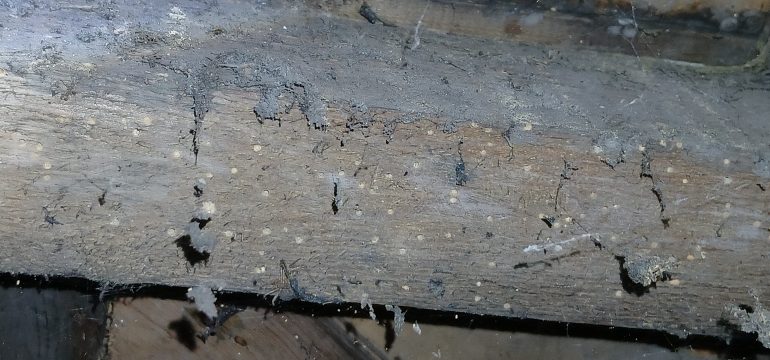
Finding small holes in floorboards, furniture, or structural timber is often the first sign of a woodworm infestation inside the home. Although there are several woodboring beetles found in properties in the UK, the commonest is...
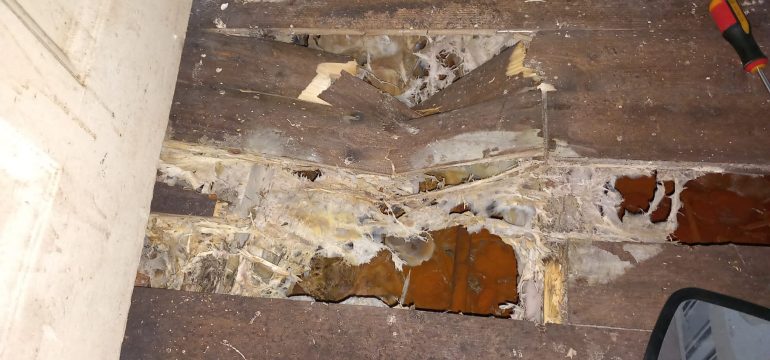
Dry rot (Serpula lacrymans) is at its most destructive when it goes undetected, before it takes hold and spreads, meaning treatment is delayed. One of the top hiding spots is under floorboards. In the dark and...
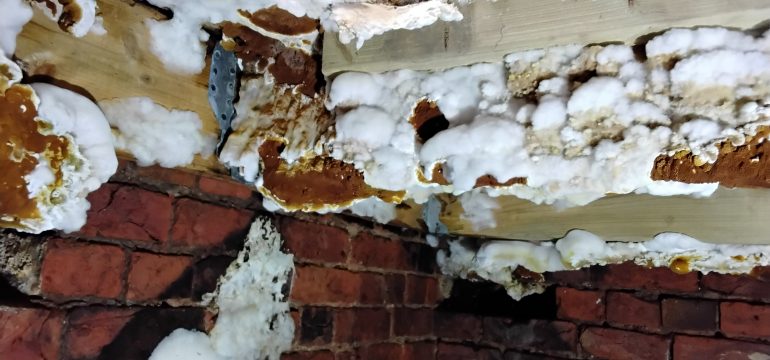
Timber decay is the slow breakdown of wood caused by fungi or wood-boring insects thriving in damp conditions. It affects properties of all ages: from Victorian terraces to modern commercial buildings undergoing refurbishment. Timber decay almost...
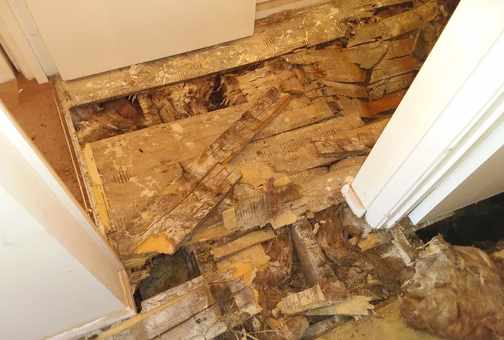
Dry rot (Serpula lacrymans) is a serious type of fungal decay that can compromise the structural integrity of buildings by attacking timber. But is dry rot actually dangerous? The answer is more complicated than a simple...

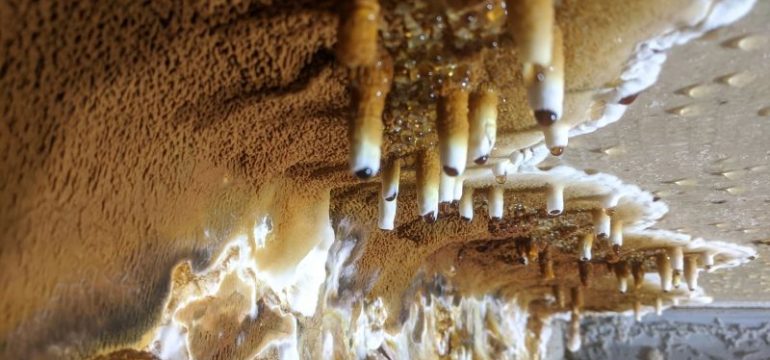
Fungal Decay in Buildings Wood is a very resilient material which is able to remain intact for hundreds, if not thousands of years, but introduces moisture and things can change quite rapidly. Both wood boring insects...
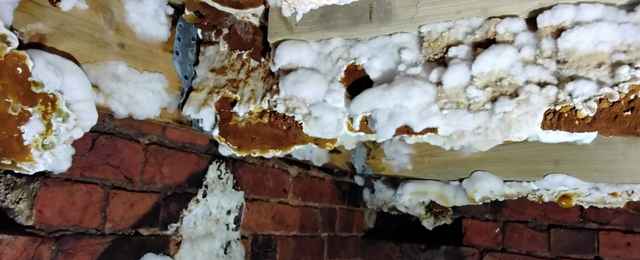
For homeowners, landlords, and property renovators, particularly those responsible for older or historic buildings, discovering timber decay is a deeply concerning scenario. Wood is a foundational building material used in most British properties, providing the structural skeleton...


Your property may very well be your most valuable asset, so when it comes to selling your home you’ll no doubt want to ensure that you get the best price for it. Before you begin the...