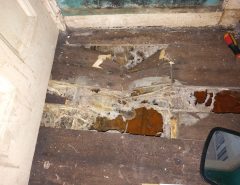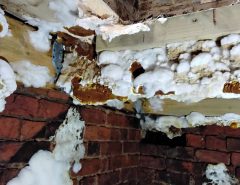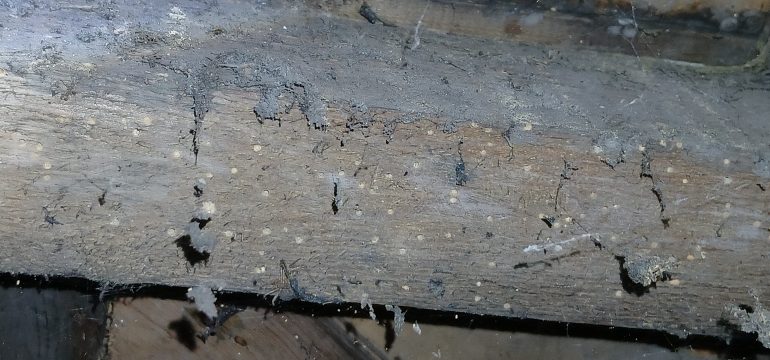

Finding small holes in floorboards, furniture, or structural timber is often the first sign of a woodworm infestation inside the home. Although there are several woodboring beetles found in properties in the UK, the commonest is the Common furniture beetle (Anobium punctatum).
Woodworm does not appear at random; it occurs when adult wood-boring beetles find suitable timber to lay their eggs on.
Once those eggs hatch, the larvae eat their way directly into the timber, carving out intricate networks of tunnels and flight holes that weaken the wood from the inside out.
Left unaddressed, woodworm can cause severe structural damage, weakening floor joists, floorboards, and roof timbers, over successive generations.
Understanding what causes woodworm and how to spot the problem in your home or property makes it much easier to tackle effectively.
With a professional woodworm survey from the specialists at Peter Cox, woodworm is a problem that can be accurately identified, treated, and solved for the long term.
Causes of Woodworm
A woodworm infestation begins when adult wood-boring beetles locate exposed timber suitable for egg-laying. The larvae that hatch from these eggs will spend the next three to five years tunnelling. As they tunnel, they produce powdered faeces called frass, and this spills out of old flight holes, so alerting the occupier to an active infestation.
They eventually pupate into adult beetles and bore their way out through a visible exit hole on the surface. This is called a flight hole, and adult beetles emerge between April and September.
Because this lifecycle is so lengthy, most homeowners do not spot the warning signs until the infestation is already established.
The primary catalysts for a woodworm infestation include:
- Damp or High-Moisture Timber: Softened, moist wood provides the ideal nutrient source and environment for larvae to burrow.
- Untreated or Rough-Sawn Wood: Beetles actively look for cracks, open grain, and rough fibres to deposit their eggs securely.
- Poor Structural Ventilation: Stagnant air in sub-floors, lofts, or basements traps ambient humidity, raising the moisture content of the wood.
- Infested Items Brought Indoors: Infestations are routinely introduced inadvertently via external objects such as logs, wicker products, and old items of furniture with ply backs or bases. But many woodboring beetles are native to the UK, can walk or fly, and live in hedgerows.
Addressing the root cause is vital when treating an active infestation. Without fixing the underlying issues, a property remains highly susceptible to costly reinfestation.
What Timber Does Woodworm Attack?
Not all wood is equally appealing to wood-boring beetles. Denser, high-quality hardwoods tend to be naturally more resistant to attack than older, lower-grade softwoods. Furthermore, female beetles purposefully seek out damp timber because it is softer, easier for hatching larvae to chew through, and supplies a vital water source.
Most wood-boring beetles strictly target the sapwood (the softer, nutrient-rich outer layer of a tree) because it is much easier to feed on. Conversely, the dense heartwood found at the structural core of a tree provides a natural defence against woodworm, unless it becomes very wet and decayed.
Untreated and rough-sawn timbers are high-risk elements. Smooth, finished wood surfaces make egg-laying significantly harder for adult beetles and the eggs are exposed to predation.
While applying paint or varnish can help deter new beetles from laying eggs on exposed surfaces, it cannot halt an infestation that is already underway.
Larvae already trapped inside will continue to tunnel undisturbed, and emerging adult beetles will simply bore straight through the surface coating to escape.
How Does Woodworm Enter a Property?
There are two primary pathways through which woodworm establishes itself inside a home:
1. Beetles Invading from the Outside Environment
During the peak “flight season” between April and September, adult beetles emerge from external timber to mate and locate fresh egg-laying sites. Open windows, doors, or unobstructed air bricks provide an easy gateway into your home.
2. Infested Items Brought Directly Into the Home
This is the most common route for a woodworm infestation to start, frequently catching property owners entirely off guard. Woodworm larvae can easily arrive hidden inside:
- Second-hand antique furniture and wooden decor.
- Reclaimed structural timber used during extensions or renovations.
- Firewood logs and wicker log baskets stored indoors next to fireplaces.
Because larvae remain completely hidden inside the wood for the vast majority of their lives, an infestation can be well established long before a single exit hole appears on the surface. If you see larvae crawling around on the surface of timber, they will almost certainly be from stored product beetles, moths or flies.
How Woodworm Infestations Spread
A woodworm problem can spread over time, causing more damage as the infestation size increases.
1. Spreading Within a Property
When adult beetles emerge from an infested piece of timber, they immediately search for a mate and then suitable surfaces to lay their eggs. Because they are naturally drawn to light, you will often find them on windowsills, though they will readily return to lay eggs on any nearby joists or floorboards.
An infestation that starts quietly in an unventilated sub-floor void can rapidly migrate into structural floorboards, ceiling joists, and roof timbers over a successive three-to-five-year lifecycle.
If you suspect an item of furniture is infested, it should immediately be isolated from other timber until it can be professionally inspected and treated.
The risk of internal spread is an important consideration during commercial property refurbishments, where already infested timbers may be uncovered and reused without treatment.
2. Spreading Between Properties
Once adult beetles take flight, they can easily migrate between adjacent buildings during the summer flight season. In terraced streets, semi-detached houses, or blocks of flats where structures share structural timber, an untreated woodworm outbreak in one property can easily spread to neighbouring homes through shared sub-floor voids or continuous roof spaces. Woodboring weevils in particular will happily walk within and between properties.
How to Stop Woodworm Spreading
The most reliable way to halt the spread of woodworm is early, accurate detection.
Whether you have noticed fresh bore dust or had woodworm flagged on a recent building survey, booking a professional damp and timber survey is always the safest first step.
A thorough inspection by a qualified surveyor will:
- Identify the exact beetle species and confirm if the infestation is currently active.
- Accurately diagnose the underlying damp or ventilation issues causing the infestation.
- Assess the condition of structural timber throughout the building.
- Provide a clear, detailed inspection report featuring tailored treatment recommendations for any active woodworm infestations found.
Where woodworm treatment is required, our qualified technicians apply targeted, industry-approved insecticides to the affected areas, structurally reinstate any compromised timber, and correct any ventilation or damp issues that attract the beetles.
Frequently Asked Questions
What causes woodworm in structural floorboards?
Floorboards are highly susceptible to woodworm due to poor sub-floor ventilation, which traps moisture beneath the floor and creates the humid environment wood-boring beetles prefer. Because this decay develops out of sight on the underside of the timbers, it can cause severe structural weakening long before exit holes appear on the upper surface. If your floorboards feel uneven or springy, they should be inspected immediately.
Does a woodworm infestation mean I have a damp problem?
While it is not a guarantee, it is highly likely. Wood-boring beetles thrive in humid conditions and prefer laying eggs on moist wood. Certain woodworm species, like the Woodboring Weevil, can only infest timber that has already been softened by damp and fungal decay. However, because species like the Common furniture beetle can survive at lower moisture levels, an infestation can occasionally persist even if the property appears relatively dry.
Can woodworm migrate from furniture to my home’s structural timbers?
Yes, easily. Adult beetles emerging from an infected antique will actively look for nearby timber to colonise. Structural joists and floorboards are just as attractive to them as furniture. Move any suspect furniture away from structural wood until a specialist can assess it. It is often the case that wooden items stored in lofts or not required after a house move are the source of the later infestation in the loft timbers.
Why Trust Peter Cox with Your Timber Repairs?
With over 70 years of experience in property preservation, Peter Cox is the UK market leader for property preservation, including woodworm, fungal decay and damp proofing.
Our nationwide network of local branches ensures that a highly qualified surveyor is always available in your area to deliver expert advice and robust, long-term solutions.
Our treatments are executed to the highest industry standards, keeping disruption to your home to an absolute minimum, and woodworm sprays are typically backed by our long-term guarantees for ultimate peace of mind.