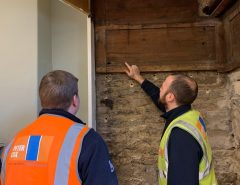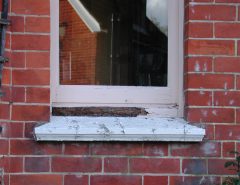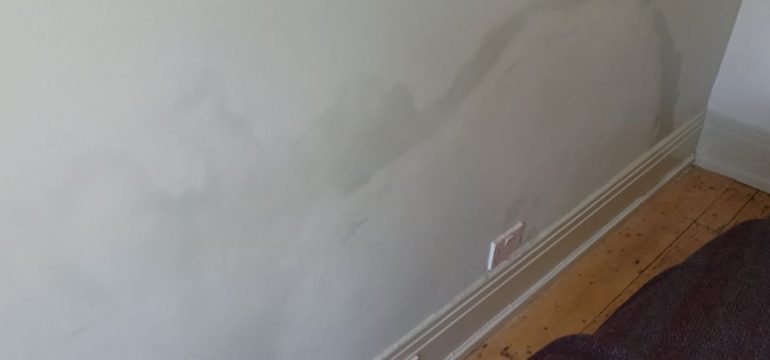

If the internal surface of your walls are wet after rain, this is usually caused by penetrating damp. This means water is able to bypass your property’s exterior defences, which are designed to stop moisture ingress.
Cracks in external render, run-off from surfaces, blocked gutters, porous masonry or deteriorating mortar can all let water in and cause damp and damage inside your home. It is not always obvious where water is entering, and there may be no visible leak at all. Instead, wet patches or stains appear whenever it rains. Without tackling the root cause, you risk damage to plaster and timber, mould growth, and costly repairs further down the line.
The good news is that penetrating damp can be treated, and in many cases the fix is straightforward once the source is identified.
Common Causes Of Wet Walls After Rainfall
Damp patches that appear or worsen within 24 to 48 hours of rainfall and then fade as the weather dries usually point to penetrating damp. These patches are usually seen on the inside of exterior walls near building defects, though these aren’t always obvious. Solid masonry walls are most at risk, as cavity walls should run penetrating damp down the cavity to drain. If you have a basement or below ground wall, penetrating damp is almost inevitable, but requires a different approach to above ground penetrating damp.
However, wet walls after rain can also be a symptom of other problems.
Rising damp happens when water travels upwards from the ground, especially where the damp-proof course is damaged or missing. Prolonged rainfall can saturate the ground and make rising damp worse, which is why it can sometimes seem weather-related.
Condensation can also make walls feel wet, but isn’t directly formed from rain. It forms from moisture produced inside the home caused by warm moist air meeting cold surfaces rather than water entering from outside. But rainfall also cools saturated external walls, which can make condensation more likely after wet weather.
| Penetrating damp | Rising damp | Condensation | |
| Appears after rain | Yes | Sometimes | Can worsen |
| Location | Any height, often near a building defect | Ground floor only around skirting board level | Cold corners, north-facing walls, behind furniture |
| Key signs | Patch grows during or after rain, then fades as it dries | Tide marks with white salt deposits | Black mould, steam on windows, wet walls and surfaces |
Whatever the cause, accurate diagnosis is essential as the wrong treatment will not fix the problem.
What Is Penetrating Damp, And Why Does It Make Walls Wet?
Penetrating damp happens when water enters a building from outside through building defects.
Common building defects that allow water to enter include:
- Blocked or overflowing gutters and downpipes
- Cracked or deteriorating render
- Damaged or porous masonry or pointing.
- Poorly sealed or damaged window and door frames
- Damaged or missing flashing seals around chimneys and roof junctions
- Incorrectly installed or degraded cavity wall insulation
- Raised ground or paving sitting above the damp-proof course
Any of these defects can allow rainwater to enter the building fabric and work its way to internal walls, where it appears as damp patches or stains.
Signs Of Penetrating Damp
Wet walls caused by penetrating damp are often most noticeable after heavy or prolonged rainfall. It is particularly common in older properties without cavity walls, where there is no gap between outer and inner walls to stop the passage of water.
Inside the property, watch out for:
- Damp patches on walls or ceilings that appear or worsen after rain
- Peeling or bubbling paint or wallpaper
- Stained plaster that feels soft or crumbles
- A persistent musty smell in affected rooms
- Mould growth on external-facing walls or around windows that is not due to condensation.
Outside, look for:
- Overflowing gutters
- Dark staining or streaking on brickwork
- Cracked or crumbling masonry, mortar and render
- Moss or algae growth around blocked drains and downpipes
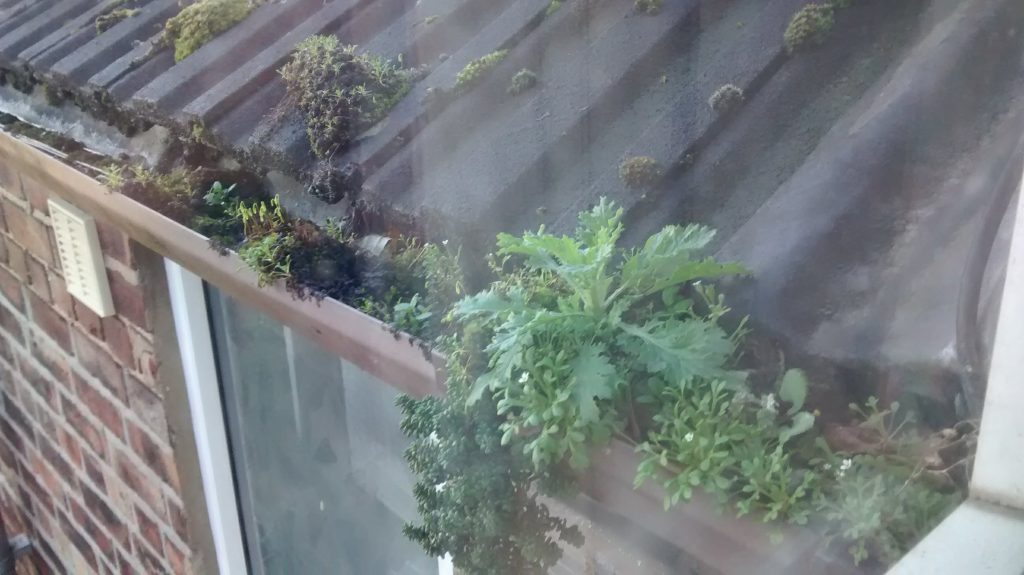
If you spot any of these signs, check for blocked gutters and downpipes, cracks in render, and whether ground levels or paving are sitting above the damp-proof course.
Even with visible signs, it’s not always easy to identify whether penetrating damp or another issue is causing wet walls after rainfall. A professional damp survey will identify the source, and provide recommendations on any necessary actions.
What Happens If Wet Walls Are Left Untreated?
Leaving damp walls untreated can lead to significant property damage. Without finding and fixing where the rain is getting in, water will continue to cause more damage every time it rains.
Over time this can cause issues including:
- Wet rot in joists, floorboards, and structural timbers
- Dry rot, which can spread beyond the original damp area and cause serious damage
- Mould, which poses a health risk for people with respiratory conditions and allergies
- Salt deposits on walls, which can continue to draw moisture from the air even after the source of damp has been fixed
- Damage to brickwork, including flaking and crumbling masonry
- Wall tie failure and other structural issues
The longer a damp problem is left, the more extensive repairs may need to be. What starts out as a wet patch on a wall can eventually lead to serious timber decay and structural damage. Acting early is always the best plan of action.
How To Tackle Wet Walls After Rainfall
If you notice wet patches on your walls, start by looking outside. Make sure gutters and downpipes are clear, check for cracks in mortar or renders, and look for any obvious defects around windows and doors. Straightforward maintenance may stop water from getting in.
Many property owners make the mistake of treating wet walls as a cosmetic problem. Repainting damp patches or running a dehumidifier may mask the problem temporarily, but the damp will return every time it rains until the source is found and fixed. Self-diagnosing and treating damp issues can mean misidentifying the cause, leading to the application of the wrong treatments.
If patches keep returning and spreading, you can’t identify the source of the moisture, or aren’t sure what is causing your wet walls, a specialist damp survey is the best next step.
A qualified surveyor uses specialist equipment to identify the source. All findings are detailed in a written survey report, along with recommendations for treatment where necessary. As specialists in damp diagnosis and treatment, Peter Cox surveyors are CSRT and CSTDB qualified and operate from local branches nationwide, meaning expert help is always close to home. Book a survey online or call Peter Cox on 080 8250 8820.
Frequently Asked Questions On Penetrating Damp And Wet Walls
Why are my walls wet after rain?
Wet walls after rain are usually caused by penetrating damp, where water is entering the property through a defect or blocked gutter. In some cases rising damp or condensation may make walls feel wet, and this can sometimes appear worse around rain. Accurate diagnosis is important to understand the type of damp affecting the property, as different types of damp require different treatments.
Why is my wall wet but there is no visible leak?
Water doesn’t need an obvious gap to get in. Small cracks in render and junctions, porous masonry, and degraded mortar can all allow rainwater through and be almost invisible to most people. Exterior walls can absorb water, which can travel through to show as a patch inside.
How long will a damp wall take to dry out?
Walls can take several weeks to months to fully dry after heavy rain, even after the source of the leak has been fixed. How long the wall takes to dry out depends on how long the moisture has been present, if the wall is warmed by the sun, as well as the material of the wall and ventilation. Dehumidifiers and improving airflow can help speed up the drying process.