Protecting your home from leaks, rot and costly damage
Water ingress is one of the most common issues UK homeowners face, and one of the most damaging if left untreated. Most pre-1920 homes had solid rather than cavity walls and the job of the cavity is to drain away any moisture that comes through the outer leaf of brickwork. This means solid wall properties have nothing to stop penetrating damp reaching the plastered wall surface inside.
When water from the outside finds its way inside, it can quietly destroy walls, rot wood, ruin paint, and make your home unsafe to live in. The good news is, with the right knowledge and quick action, you can stop it before it gets to this point.
Below, we explain the meaning of water ingress, what causes it, how to spot the signs, and most importantly, what to do about it.
What Is Water Ingress?

At its simplest, water ingress refers to any unwanted water making its way into a building from the outside.
This might be through the roof, walls, floors, or around poorly sealed windows and doors. Once inside, the moisture can lead to a range of issues from minor damp patches to major structural damage. If ignored, it can also lead to health problems from mould or fungal growth.
You might hear water ingress being referred to as penetrating damp, and that’s because it typically involves water physically penetrating through the structure of the building through porous masonry. This is why solid wall properties are easily damaged by penetrating damp.
Common consequences of water ingress include:
If you notice any of these, you may already have a problem.
What Causes Water Ingress?

Water can enter your home in many ways. Most often, it’s caused by defects in the building itself, such as areas where wear and tear or poor workmanship have created an entry point.
Here are some of the most frequent causes:
- Damaged roofs – cracked or missing tiles/slates
- Blocked or leaking gutters
- Cracked brickwork or render
- A bridged or missing damp proof course (DPC)
- Faulty window or door seals
- Broken internal plumbing
- Flooding and surface water
Over time, even small defects can allow moisture to enter. If not detected early, this can lead to severe water damage and escalating repair costs.
For more details on penetrating damp, see our expert guide.
Signs of Water Ingress
The key to tackling water ingress is to catch it early. The longer it’s left untreated, the more extensive the damage.
Look out for these warning signs:
- Damp or musty smells
- Peeling or bubbling paint
- Patches of damp on walls or ceilings
- Visible mould or black spots
- Salt marks or efflorescence on brickwork
- Soft or crumbling plaster
These may appear gradually or suddenly, especially after heavy rain.
What Is the Difference Between Water Ingress and Egress?

The difference is simple:
- Water ingress = water entering the building from outside.
- Water egress = water draining or flowing out of the building.
Both are vital to manage. If your home can’t get rid of water effectively, it can back up and cause even more water damage.
A properly functioning water egress system (drains, downpipes, slopes) protects your home from flooding and pooling. But even perfect drainage can’t help if water is also entering unchecked.
Water Ingress Found in a Basement
Basements are especially vulnerable to water ingress due to their below ground location.
If you have an older property its basement may lack the waterproofing required to keep out groundwater. Even newer properties may experience flooding if the waterproofing has failed.
Common solutions include:
- Tanking (applying waterproof coating to internal walls)
- Installing Type C cavity drain systems
- Improving external drainage and landscaping
Peter Cox offers proven basement waterproofing solutions that prevent water ingress, keeping your below ground spaces dry and usable.
Can Water Ingress Be Fixed?
Yes, and the sooner you address it, the better.
Fixing water ingress involves two key steps:
- Identify and eliminate the source – repair whatever has allowed the water in (e.g. roof, wall, guttering).
- Restore the affected areas – allow them to dry fully, then carry out repairs.
Waiting only increases the cost and severity of the problem. The moment you notice signs, contact a qualified specialist.
How to Prevent Water Ingress
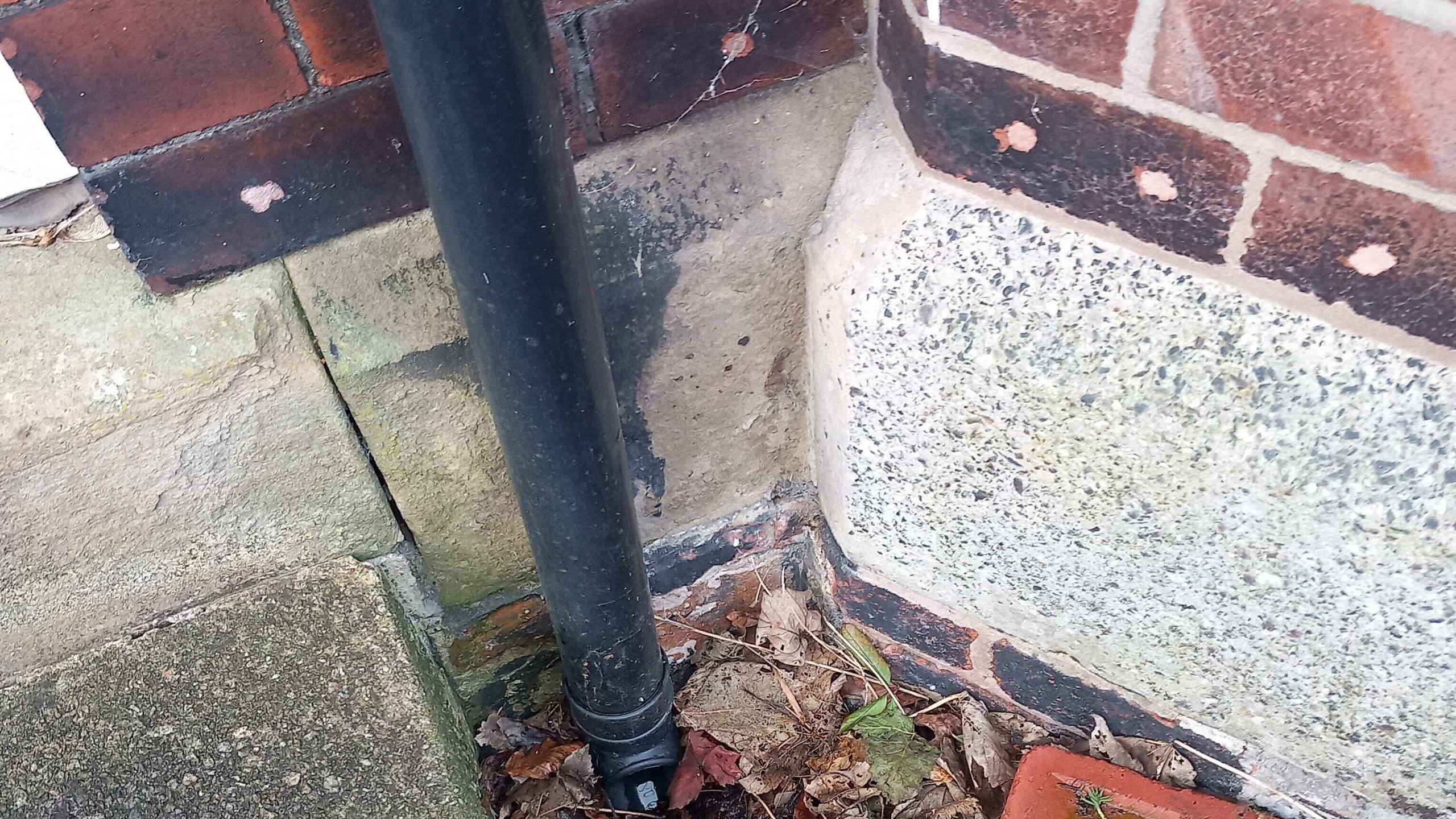
Prevention is always better and, often cheaper, than having to find a cure.
Here’s how to reduce the risk of water ingress:
- Inspect your roof and gutters regularly
- Check walls for cracks and damage
- Clear external drains and gullies
- Keep the DPC visible and clear
- Seal windows and doors properly
- Apply a masonry protection paint / façade cream to external brickwork to repel rain
Products like breathable water repellent creams can offer long-term protection against moisture.
Act fast if you see warning signs. The earlier you catch it, the simpler the fix.
Water Ingress Solution
To solve water ingress, follow these steps:
- Find and fix the root cause
- Allow the area to dry out
- Make necessary cosmetic and structural repairs
For lasting protection, use professionals who understand damp proofing and property preservation.
Peter Cox’s trained surveyors can assess your home, diagnose the problem, and implement a tailored repair plan.
Contact Peter Cox for Expert Help
If you’ve spotted signs of water ingress, don’t wait. Contact Peter Cox for a professional survey and expert solution tailored to your property.