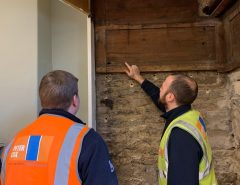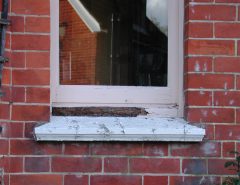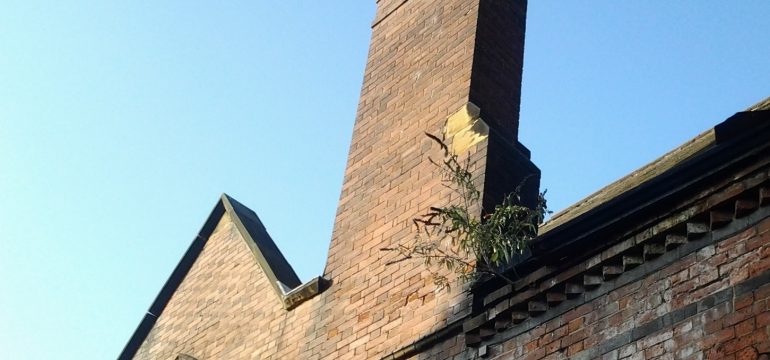

Damp patches forming on a chimney breast can cause persistent frustration for homeowners, often appearing, darkening, or disappearing with no apparent pattern. These patches can be particularly baffling because they appear to occur randomly, regardless of whether it has rained or not recently.
Unlike standard damp issues, chimney-specific moisture is a complex problem that often involves a mix of external structural defects and internal chemical contamination from centuries of domestic use.
If you are struggling with unsightly stains or bubbling plaster around your fireplace, understanding the root cause is the only way to achieve a permanent, long-term fix.
Signs of Damp on a Chimney
Identifying chimney damp early is vital to prevent extensive damage to your interior decor and the underlying structural masonry. Professional surveyors look for several specific visual cues to determine the severity and type of the problem:
- Yellowish-brown staining: This is often a tell-tale sign of tar and soot deposits leaching through the plaster from within the flue.
- Bubbling or “blowing” plaster: This occurs when moisture or salt crystals expand behind the surface, forcing the plaster away from the wall.
- Tide marks: Distinct lines that indicate the “high water mark” where moisture has saturated the wall fabric.
Damp Patch on Chimney Breast in Bedroom
It is a common occurrence for chimney damp to occur in upper-floor bedrooms where the original chimney may have been boarded up or covered over.
This happens because the chimney stack is a continuous structural element that allows moisture or salts to travel through the masonry of the stack, affecting any room the chimney passes through. Without adequate air flow, the chimney can ‘sweat,’ and combustion products leach through.
Why Is My Chimney Breast Damp? (The Causes)
There is rarely a single cause for chimney dampness; usually, it is a combination of external entry points and internal chemical issues that require a specialist approach.
Penetrating Damp
Because chimney stacks are the highest and most exposed point of a property, they are a primary target for penetrating damp.
Common external culprits include:
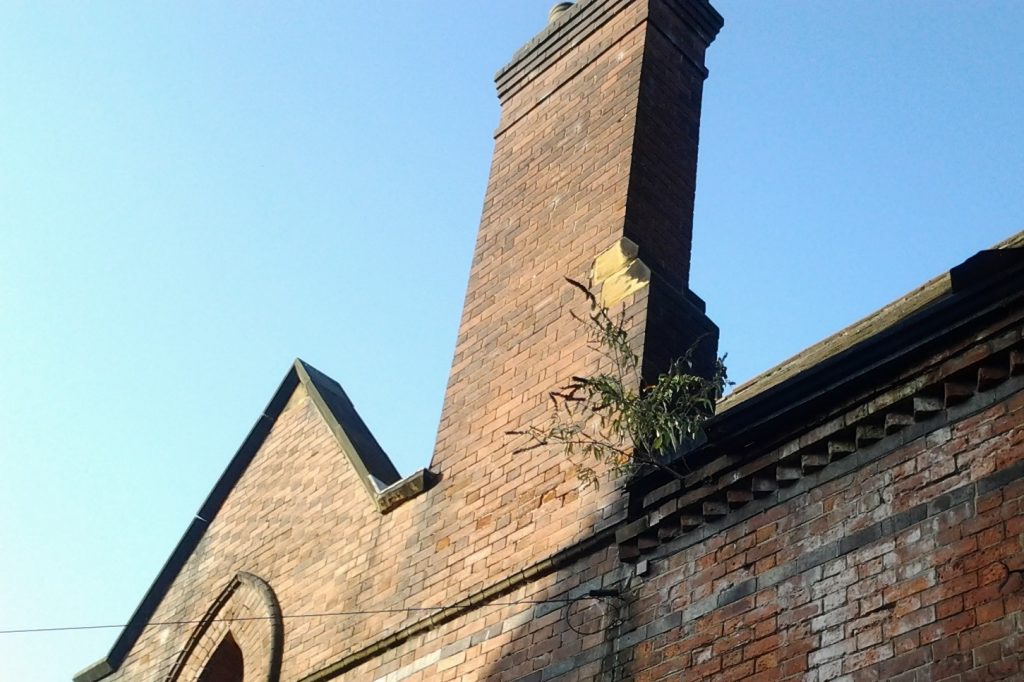
- Cracked chimney crowns or flaunching: The protective concrete cap at the very top of the stack has become defective, allowing water to penetrate down the stack.
- Faulty lead flashing: The waterproof seal where the chimney stack meets the roof line. This can also allow moisture to enter the chimney if it becomes loose or lifts off the tiles.
- Porous bricks or mortar: Weather-worn masonry that has lost its natural resistance and has become porous. Mortar can also become defective and fall away, allowing further moisture ingress.
- Plant growth: Because the crown or mortar starts to break up, plant seeds, in particular Buddleja, can grow in the cracks and open them up, letting more moisture in, and in severe cases, the expanding roots can lift brick courses up.
Hygroscopic Salt Contamination
This is often the most misunderstood cause of chimney damp. Centuries of burning coal and wood leave behind combustion byproducts, specifically hygroscopic salts such as Ammonium, embedded in the masonry of the flue and mortar around the fireplace.
These salts remain in the chimney breast long after a fire has been extinguished and often covered over for modern decoration.
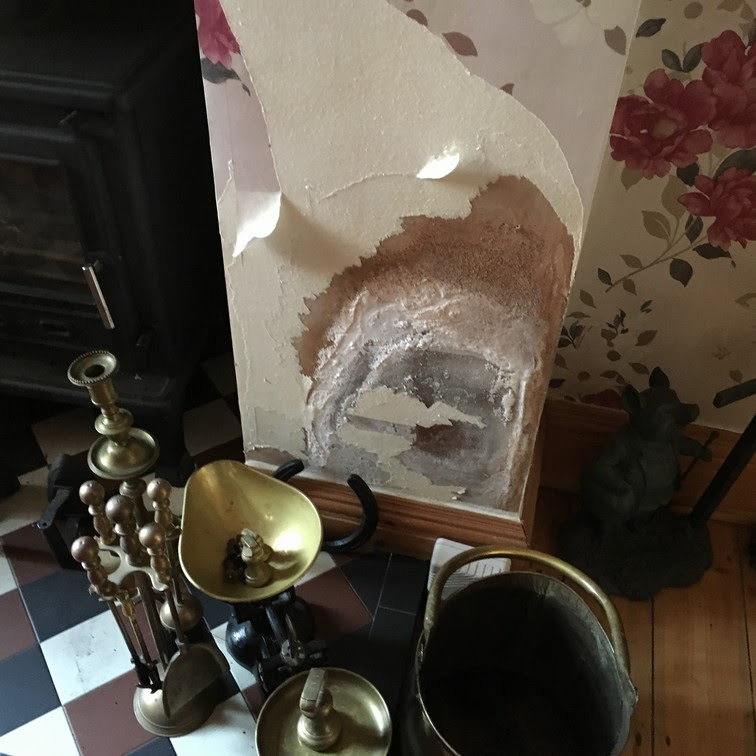
Condensation
In modern homes, many fireplaces are redundant and have been boarded over in order to reduce draughts inside the home. If ventilation is not present however, these stacks can become a cold bridge, meaning the wall surfaces are colder, leading to condensation forming.
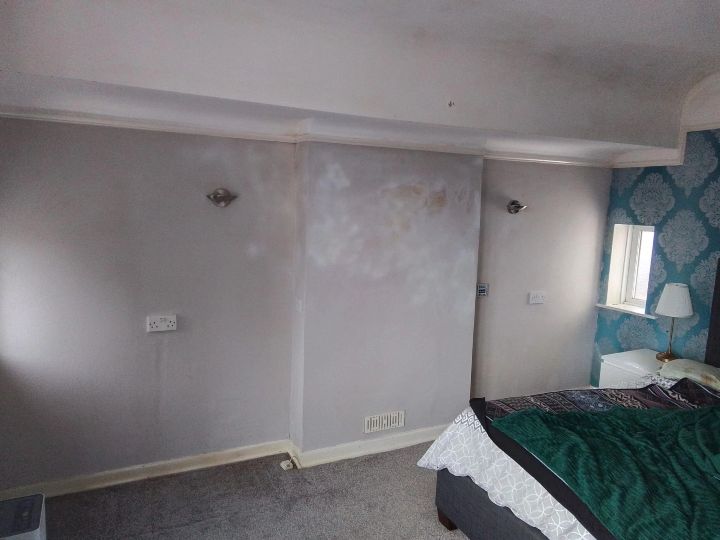
Hygroscopic Salts in Chimney Breasts
Hygroscopic salts are unique because they are able to absorb moisture from the internal atmosphere whenever humidity levels rise, causing damp patches that come and go.
If a damp patch appears on a dry but humid day, or seems to darken and lighten regardless of the weather outside, you are likely dealing with hygroscopic salts rather than an active external leak.
Because these salts exist within the masonry, they cannot be washed away or hidden by standard DIY methods.
How to Treat and Fix Chimney Damp
The best waterproofing for chimneys involves a dual-layered approach: securing the exterior and treating the interior chemically.
External Repairs
A specialist will first ensure the chimney stack is “watertight” to stop further water ingress:
- Pot replacement or cowls: These prevent rain from falling directly down the open flue while allowing for essential ventilation.
- Re-pointing: Repairing the mortar joints to stop moisture from seeping through the gaps between bricks.
Internal Treatments
Because salts are almost always present in older chimneys, internal repairs require more than just standard gypsum plaster. Specialist treatments include:
- Salt-resistant plaster: Where masonry has been contaminated with hygroscopic salts, specialist plaster can be used to prevent salt migration, keeping the new plaster surface from deterioration.
- Specialised membranes: Creating a physical, waterproof barrier between the contaminated masonry and the new internal finish.
Why a Professional Survey is Essential
Chimney damp is notoriously easy to misdiagnose. Homeowners sometimes waste money on damp-proof paints or standard replastering, only for the stains to return within a few months because the underlying salt issue was ignored.
Professional surveyors use advanced diagnostic tools to pinpoint whether the cause is a faulty pot, porous masonry, or chemical salt contamination.
Cost Considerations
When asking “How much does it cost to fix damp in a chimney?”, the answer depends entirely on the root cause. While a simple cowl installation is relatively inexpensive (unless scaffolding is required), structural replastering and salt treatment may involve further costs.
However, a professional damp survey ensures that you pay for the correct fix the first time, preventing the recurring costs associated with failed DIY attempts.
Conclusion
Chimney damp is a complex structural issue that is rarely solved with a quick lick of paint. Whether the cause is rain penetration or invisible hygroscopic salts, these problems require a technical, expert approach to ensure your home remains dry and its value is preserved.
Take the next step in protecting your property. Book a Specialist Property Survey with Peter Cox today to receive a tailored treatment plan and stop the damage for good.