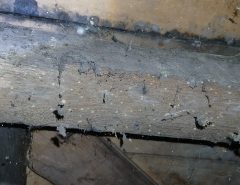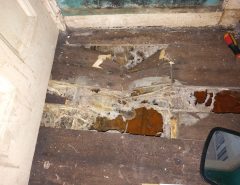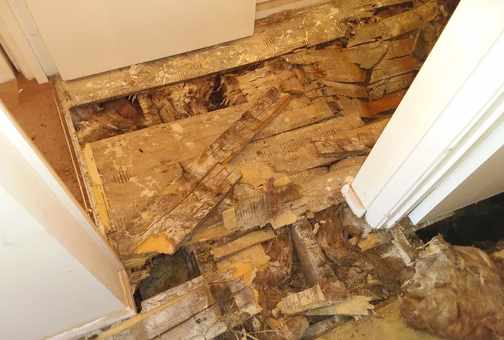

Dry rot (Serpula lacrymans) is a serious type of fungal decay that can compromise the structural integrity of buildings by attacking timber. But is dry rot actually dangerous?
The answer is more complicated than a simple yes or no. The fungus itself is not toxic, but the conditions that allow dry rot to thrive can harm the health of those living or working inside. It also poses a serious and direct risk to the structure of your property. Left untreated, both risks worsen over time and can become costly and dangerous to ignore.
Is Dry Rot Dangerous to Health?
Dry rot itself isn’t harmful to breathe and isn’t considered toxic, so direct exposure isn’t a significant health threat for most people.
Disturbing an active dry rot outbreak can release spore dust, which may cause irritation to the eyes and airways. If you suspect dry rot is present, taking basic precautions such as wearing gloves and a face mask before inspecting it can help limit any risk.
The most significant health concern for dry rot is indirect. Dry rot needs damp conditions to thrive, and these same conditions encourage mould growth and poor air quality. Prolonged exposure to these conditions can cause symptoms such as coughing, wheezing, nasal congestion, and eye irritation, even in otherwise healthy people.
It can also significantly worsen symptoms for people with asthma, allergies or other existing respiratory conditions. Children, the elderly and those with weakened immune systems are particularly vulnerable.
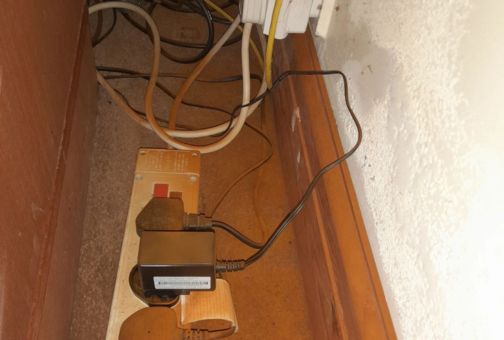
Dry rot spores visible on skirting boards and carpet.
Is Dry Rot Harmful to Your Property?
The biggest danger of dry rot is to buildings. The fungus feeds on timber, breaking down its structural strength over time. This can compromise floors, joists, roof timbers and load-bearing beams.
Because of its spreading nature, it can also damage brickwork, plaster and mortar as its fungal mycelium travels in search of new timber to consume. What starts as a localised problem can escalate into significant damage across multiple areas of a property, or even spread to neighbouring homes.
The longer dry rot is untreated, the more serious these risks become. Weakened floors can become unsafe to walk on, and in serious cases collapse entirely. Walls can become unstable, and roof timbers that have been significantly damaged by dry rot pose a risk to the safety of anyone inside the building.
You must always deal with the moisture ingress issue first.
Earlier this year our expert surveyors were called to assess dry rot damage in a former nightclub in County Durham. The building had been neglected, with boarded-up windows, obstructed vents, blocked gutters, and leaking roof coverings limiting ventilation and raising moisture levels. As a result, dry rot had spread through timber and masonry across the ground floor. The severe outbreak posed significant safety concerns, and had led to the partial collapse of the dance floor before anyone realised the extent of the problem.
Cases like this are extreme, but they illustrate what dry rot can do when left unaddressed. Catching it early significantly limits the damage and the cost of putting it right.
Beyond the structural risks, dry rot can significantly damage the value of a property and make it hard to sell. Many home insurance policies won’t cover active dry rot as it is considered a maintenance issue, meaning the full cost of repair falls on the property owner.
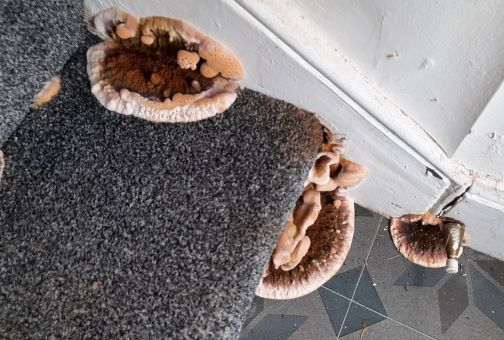
Dry Rot visible on a wall adjacent to the steps
What to Do If You Suspect Dry Rot
The structural and health risks posed by dry rot and damp mean that any suspected outbreak should always be investigated as soon as possible.
A professional timber survey is essential for tackling dry rot safely and effectively. A qualified Peter Cox surveyor will inspect your home or commercial property to uncover the source of moisture, assess the extent of an outbreak, and make clear recommendations for treating the problem. Book a survey or find out more about our dry rot treatments.