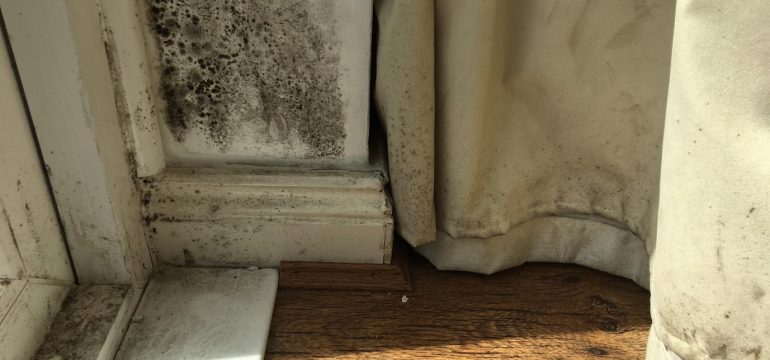

When damp patches or mould spores begin to appear on your walls, the first instinct for many homeowners is to research dehumidifiers and order one online. These devices have surged in popularity as a response to rising concerns regarding indoor air quality, damp and mould growth.
However, while they are a popular household staple, it is crucial to understand whether they address the root cause of a damp problem or simply mask the problem. One thing they cannot do is improve indoor air quality by removing or diluting mould spores, dust mite allergens and volatile organic compounds (from cleaning products, hair spray, deodorant, scented candles, etc.), which can contribute to Asthma symptoms. Only improved ventilation or specialist filtration can do that.
If you are wondering whether a portable unit can solve your damp problems, you must understand the distinction between moisture in the atmosphere inside your home and damp patches on a wall that might be caused by structural defects or porous masonry.
Relying solely on a dehumidifier to treat a damp problem may be ineffective and could lead to further problems in the future. Sometimes, the assistance from a damp surveyor can help provide answers to the source of the damp.
How Does a Dehumidifier Work?
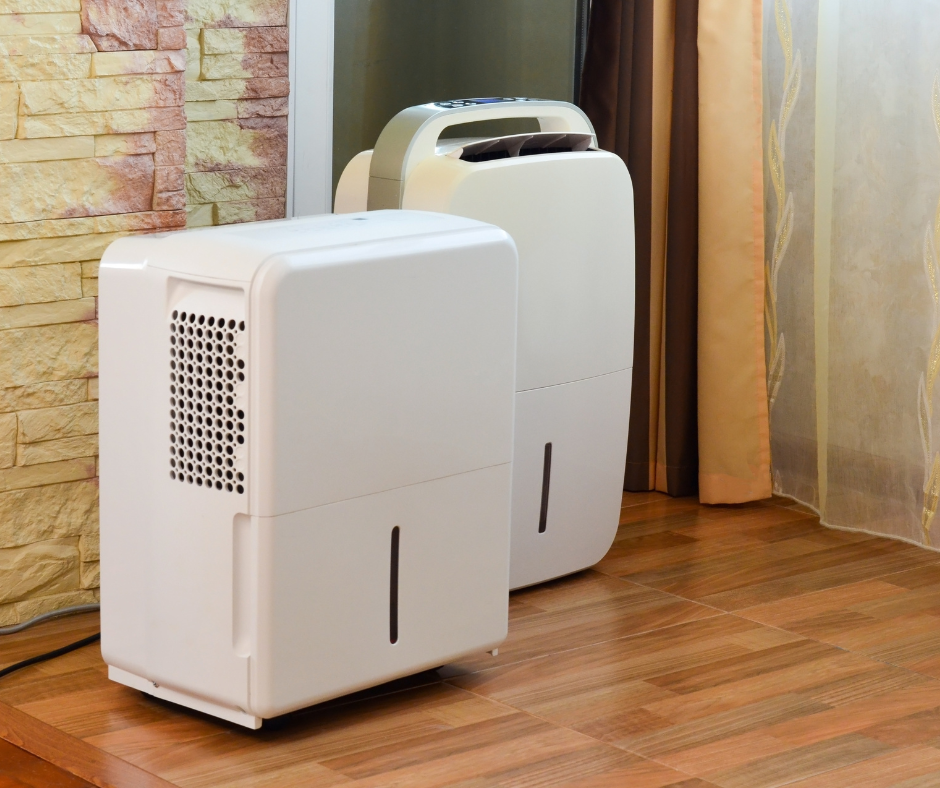
To understand if a dehumidifier is the right solution for your home, you first need to understand what a dehumidifier does. Essentially, these devices are designed to remove water vapour from the air inside your home.
What Does a Dehumidifier Do?
By pulling air into the unit and passing it over cold refrigerated coils or through absorbent material, the device removes water vapour and lowers the relative humidity in a room.
By reducing the amount of moisture held in the air, you lower the dew point, the temperature at which water vapour turns into liquid droplets on cold surfaces like mirrors, windows, external walls and behind furniture.
Effectiveness of Dehumidifiers: Where They Work and Where They Fail
The effectiveness of these devices depends entirely on the type of damp you are facing – dehumidifiers will help remove excess moisture from the atmosphere, so are useful in combating a condensation problem, but will not address the root cause of the problem, which is often a lack of ventilation.
Dehumidifiers will also not work effectively in the long term against other damp problems, such as penetrating damp caused by building defects or rising damp. This is because excess damp is only pulled from walls once the air in the room is ‘dry’. These problems need to be accurately diagnosed, and specialist damp proofing may be required to treat the problem at the source.
Where They Are Effective: Managing Condensation
Dehumidifiers are useful for dealing with moisture caused by everyday activities that contribute to high humidity and poor ventilation. This includes:
- Cooking and Bathing: Steam from kitchens and bathrooms that isn’t extracted properly.
- Drying Clothes Indoors: A common cause of condensation is when moisture from wet laundry dried on radiators cannot escape, due to poor ventilation.
- Poorly Ventilated Rooms: High humidity in areas with restricted air circulation, such as bedrooms.
In these scenarios, a dehumidifier may help manage the symptoms of condensation, preventing the growth of black mould. But it must be remembered that dehumidifiers have a finite amount of water vapour they can remove in 24 hours, so the model purchased must be matched to the size of your issue. Unless run to waste, they also have small extracted water containers which, when full, switch the unit off.
Do Dehumidifiers Fix a Damp Problem?
Dehumidifiers will not address the root cause of a damp problem, regardless of whether it is caused by condensation, rising damp or penetrating damp.
A dehumidifier is a useful tool for preventing condensation in certain areas of the property where there is a problem, but if black mould is forming regularly, more specialist treatments may be required, including improvements to insulation and ventilation.
If the damp problem is caused by structural issues, a lack of regular maintenance or a leak, the dehumidifier will not resolve the damp problem.
Dehumidifiers cannot fix:
- Rising Damp: Moisture pulled up from the ground through capillary action because of a failed or missing damp proof course, meaning the walls of your property become damp.
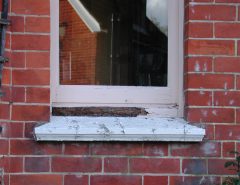
- Penetrating Damp: Water entering through the walls due to cracks in masonry, porous bricks, defective guttering, blocked drains or damaged roof tiles.
- Leaking Pipes: Internal plumbing issues or faults that cause leaks hidden behind appliances, floors and walls.
Common Question: How long will a dehumidifier take to dry out damp walls?
The honest answer is: it won’t. While a dehumidifier might dry the surface of a wall temporarily, it cannot fix the root cause of the moisture coming through or up the structure.
Choosing the Right Dehumidifier for Condensation
If your issue is confirmed to be an isolated condensation problem, choosing the right unit is essential for efficiency.
- Refrigerant (Compressor) Dehumidifiers: These work best in heated, occupied rooms. They are generally more energy-efficient in typical household temperatures.
- Desiccant Dehumidifiers: These are better for colder environments like garages or basements, as they use an absorbent material that doesn’t rely on temperature-sensitive coils.
- Capacity: Units are rated by litres per day. For a single damp room, a small unit may suffice, but for larger areas, you will need a higher-capacity unit to see any real impact on relative humidity.
If your dehumidifier is regularly filling up with water and needs to be reset, it may indicate the unit is too small, or there is a more serious condensation problem in your home, and professional advice may be required.
Dehumidifier Tips for Damp Control
To get the most out of a unit when managing condensation, follow these best practices:
- Location: Place the unit in a central location or the room most affected by moisture. These are often north-facing rooms, as they are rarely warmed by the sun. Their cold walls attract excess moisture produced in the home, and condensation can form. Remember, excess moisture will move throughout a property.
- Energy Consumption: Be aware that running a dehumidifier 24/7 is often noisy, energy-intensive and expensive. If the problem persists, you may require more long-term solutions that are more energy efficient.
- Maintenance: Regularly empty the water tank and clean the filters to ensure the unit operates at peak efficiency.
- When to consider other options: If you find the unit is running constantly without solving the problem, it’s time to look at permanent ventilation solutions like dealing with the moisture production at source or improving ventilation by installing Positive Input Ventilation (PIV) units or improved extractor fans.
When Should You Not Use a Dehumidifier?
You should stop relying on a dehumidifier if you suspect the moisture is coming from the building’s structure rather than from atmospheric moisture from everyday living. Using one against a penetrating damp or rising damp problem is ultimately ineffective and a waste of money.
Signs that a dehumidifier will not solve the problem:
- Tide Marks on Walls: Damp staining in tidemarks up to a metre high, or damp patches appearing during periods of heavy rain, suggests that moisture is entering the property from outside.
- Damaged or Blistering Plaster: Salt deposits and crumbling plaster indicate that moisture migration in the masonry is causing the deterioration of wall surfaces.
- Persistent Musty Smells: If the air smells damp despite the unit running, the moisture source is likely more widespread, and ventilation also requires improvement.
- External Issues: Obvious defects like cracked rendering or overflowing gutters.
- Decaying Timber: Signs of warped, cracked or spongy to the touch timber may be symptoms of a more serious damp problem, and may require professional attention.
Identifying damp in your home can be difficult, but each type of damp has its own telltale signs.
Identifying the Root Cause
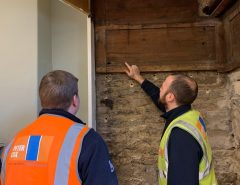
A professional damp and timber survey can help you with a long-term solution, giving you peace of mind that a professional has accurately identified the source of the damp.
A qualified professional will be able to thoroughly inspect both inside and outside your property and provide recommendations for repairs, if necessary.
We provide permanent solutions that a dehumidifier will not be able to address, including:
- Damp Proof Courses: While rising damp is less common than people assume, often a defective or missing damp proof course is the source of moisture appearing on walls inside the home
- Structural Waterproofing: To protect properties where the external ground levels are higher than the internal living space, which can cause damp problems inside
- Advanced Ventilation Systems: To provide a permanent fix for condensation and air quality issues by increasing the ventilation within the property
- Thermal Plastering and other thermal improvements: Often, condensation and mould problems are caused by cold walls and a lack of insulation. We can use specialist tools to understand where condensation is most likely to occur and provide a long-term solution.
Conclusion: Are Dehumidifiers Right for Damp?
Dehumidifiers are a useful management tool for minor condensation in isolated areas of a property, but they are not a long-term solution for damp. They treat the symptom – excess moisture – but do not address the root cause. They do work when you use very large units to dry out new build or renovation work, but domestic units are much smaller.
Using a dehumidifier long-term for condensation can often be more costly than carrying out more specialist repairs. Often, it can be more cost-effective with more noticeable results to make more permanent improvements to the ventilation and thermal efficiency of your home.
Find out more about our damp survey today, and how it can be used to identify the reason your property is suffering from a damp problem, and find a permanent solution, often backed by long-term guarantees.