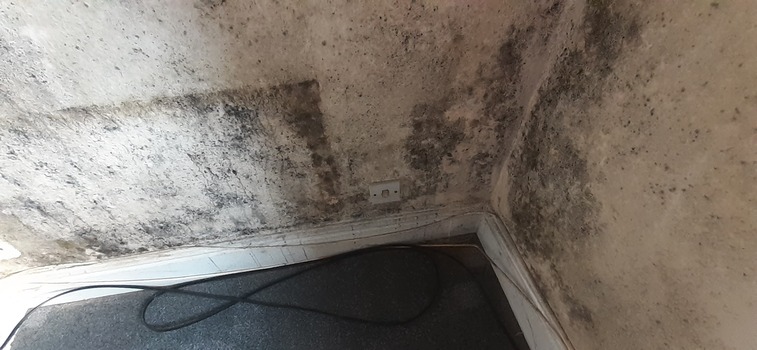

New legislation often begins with tragedy. The story of what happened to Awaab Ishak, a two-year-old boy who died in 2020 after long-term exposure to mould in his Rochdale home, led to the creation of Awaab’s Law. This landmark reform ensures that damp and mould in social housing are now to be treated as urgent health hazards rather than minor maintenance issues.
For social landlords and social housing providers, Awaab’s Law represents a renewed duty of care that demands action, documentation, and accountability.
The legislation took effect on 27 October 2025 for social housing providers in England, and covers the mould and damp Hazard category from the Housing Health and Safety Rating System (HHSRS). During 2026 and 2027 Awaab’s Law will extend across the remaining 28 Hazard categories.
The Story Behind Awaab’s Law
The death of Awaab Ishak exposed serious failures in property management and communication between tenants and landlords. Reports of mould in the family’s flat had gone unaddressed until it was too late. Public anger prompted the government to introduce new legal standards to protect social tenants across England.
According to BBC News and the UK Government’s announcement, Awaab’s Law will apply to every social housing provider, for the first time setting legally binding timescales for investigation and repair.
What Is Awaab’s Law?
Awaab’s Law UK requires housing associations and local councils to act within specific timeframes to investigate and remediate whenever damp or mould is reported. These Awaab’s Law requirements are dependent on if the Hazard is considered an Emergency Hazard or a Significant Hazard:
- Investigate and action emergency hazards within 24 hours.
- Investigate significant hazards within 10 working days.
- Provide a written summary of the investigation to the tenant within 3 working days i.e by 4th working day (emergency hazard) or 13th working day (significant hazard).
- Undertake relevant safety work within 5 working days from the end of investigation (i.e. by 9th or 18th working day).
- All work to be completed within 12 weeks.
- Secure the provision of suitable alternative accommodation for the household, at the social landlord’s expense, if relevant safety work cannot be completed within specified time frames.
For social housing providers, this means stronger oversight, better record keeping, clearer responsibilities, and direct accountability to tenants. These measures form the foundation of Awaab’s Law social housing standards, creating consistency across local authorities and housing associations.
Landlords’ Responsibilities Under Awaab’s Law
Landlords are now required to prove that they can identify, record, and resolve mould issues quickly. Awaab’s Law highlights the need for transparent communication, documented inspections, and professional remediation.
Key responsibilities include:
- Keeping written evidence of tenant reports and actions taken.
- Using qualified employees/contractors for any Awaab’s Law damp and mould treatment.
- Providing progress updates to tenants within agreed timeframes.
- Demonstrating compliance during audits and reviews.
Understanding tenants’ rights on damp and mould is essential for landlords. Under the Homes (Fitness for Human Habitation) Act 2018, tenants are legally entitled to live in a safe, habitable home, free from hazards that could affect their health.
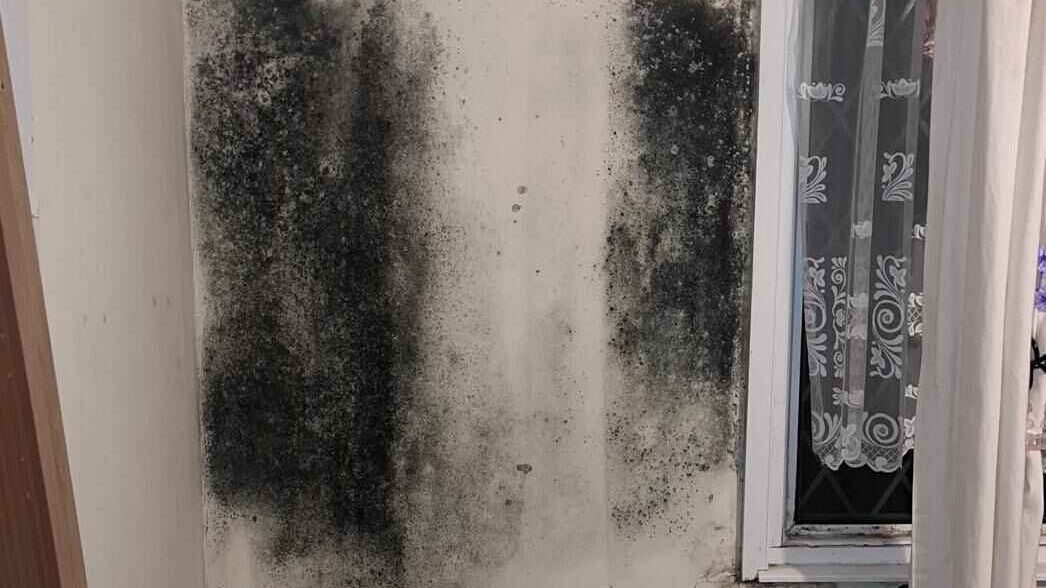
Health Risks Behind Associated with Awaab’s Law
The government warns that prolonged exposure to mould can cause respiratory infections, worsen asthma, and trigger allergic reactions, particularly in children and older adults. Damp surfaces allow mould to multiply rapidly, and condensation is often the first visible sign of a deeper ventilation problem.
Poor air circulation and hidden leaks create the perfect environment for mould to thrive. Addressing these early warning signs helps prevent serious health issues and structural repairs later.
How Peter Cox Can Help You Stay Compliant
Professional expertise is now central to compliance. At Peter Cox, we provide inspection, treatment, and maintenance solutions that help landlords meet the expectations of Awaab’s Law.
Our services include:
- Damp and Condensation Surveys to locate moisture sources and structural faults.
- Mould Treatment using biocidal cleaning and safe removal techniques.
- Ventilation Improvements that introduce fresh air, reduce humidity and control the drivers for condensation, thereby preventing regrowth.
- Ongoing maintenance plans with full inspection reports and photo evidence for audit purposes.
Our experienced specialists work with social landlords and local councils to make compliance straightforward, efficient, and fully aligned with Awaab’s Law requirements.
When Did Awaab’s Law Come Into Effect?
In summary, and as mentioned, the first phase of the legislation took effect on 27 October 2025 for social housing providers in England.
Phase 1 (From October 27, 2025): Focuses on all emergency hazards (to be made safe within 24 hours of the landlord becoming aware of them) to significant damp and mould hazards.
Phase 2 (From October 2026): Will extend the requirements to a wider range of hazards, including excess cold and heat, falls, structural collapse, fire, electrical hazards, and hygiene issues.
Phase 3 (From October 2027): Will cover all remaining hazards in the Housing Health and Safety Rating System (HHSRS), except for overcrowding.
Private rental properties are expected to be included in 2026 or 2027 via The Renters’ Rights Act. Failure to meet these deadlines could result in enforcement action being taken.
The phased implementation allows providers time to review maintenance systems, update inspection protocols, and establish partnerships with certified contractors.
For landlords, preparation is key. Routine monitoring, early intervention, and accurate record-keeping will help avoid penalties and protect tenant wellbeing.
The Future of Awaab’s Law: Private Landlords and Beyond
Property owners in the private sector will soon face the same expectations as social landlords. This marks a cultural shift across UK housing; one where safety standards, transparency, and prevention are now at the centre of every tenancy.
For many organisations, compliance will mean embracing technology such as digital reporting systems and humidity sensors. For others, it will mean partnering with experts who can deliver consistent, verifiable results.
Partnering With Peter Cox
Meeting the standards requires reliable support. Peter Cox helps social housing providers, councils, and private landlords stay compliant through practical expertise and precise documentation.
Our nationwide teams specialise in identifying moisture problems before they escalate, ensuring every property meets Awaab’s Law and social housing standards.
To arrange a survey or compliance consultation, contact Peter Cox today and speak with a member of our expert team.