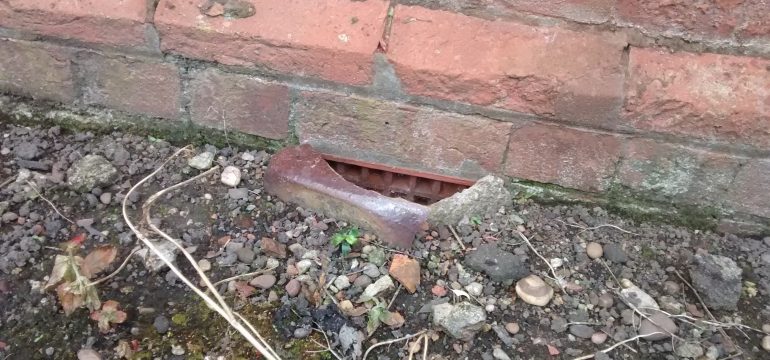

Have you ever walked past a brick house and noticed bricks with tiny holes near ground level or halfway up the wall, and wondered why they are there and what purpose they serve?
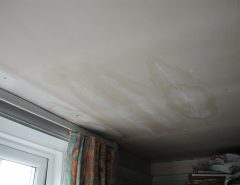
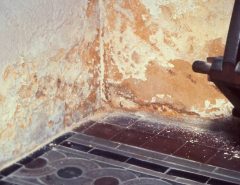
These are airbricks, also called vent bricks. Although they may seem small and unimportant, they play a critical role in providing ventilation to hidden spaces such as under suspended floors, in old pantries and within wall cavities. This airflow helps prevent moisture build-up, damp conditions and rot in structural timber. Airbricks are especially important in older or converted properties, where ventilation may be inadequate or has been reduced or blocked by previous renovations.
Key stats: Around 2 million people live in homes affected by significant damp or mould. Properties with inadequate ventilation, around 1% of all dwellings, are up to 12 times more likely to suffer from damp problems, increasing risks to respiratory and overall health.
Properly functioning airbricks reduce moisture buildup, damp, condensation and timber decay. When blocked, misplaced, absent or installed incorrectly, they can create hidden risks beneath floors and inside your walls.
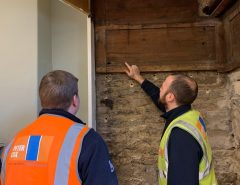
Peter Cox combines national expertise with local surveyors and technicians, providing professional surveys and long-term solutions backed by industry-leading guarantees. Raising the standard in property preservation, the team ensures every property is thoroughly assessed, uncovering hidden causes of damp and timber decay.
Table of contents
- What Is an Airbrick and Why Is It Essential?
- Damp and Poor Ventilation Prevalence, Key Industry and Housing Quality Data (UK)
- Health Implications
- Common Airbrick Problems
- Can You Cover Air Bricks in Winter?
- Real-World Examples from UK Homes
- Practical Advice for Landlords, Homeowners, Builders and Owner-Occupiers
- Why Local and National Expertise Matter
- Key Takeaways
What Is an Airbrick and Why Is It Essential?
“Airbricks are deceptively simple, but their failure can have complex consequences from hidden damp to structural timber decay. Proper ventilation is not optional; it is a building safety requirement.”
Nicholas Donnithorne, National Technical Manager at Peter Cox
Airbricks, also called vent bricks, are small, perforated bricks built into external walls, usually placed above the damp-proof course (DPC) and ground level, but sometimes also on upper floors.
- Underfloor voids beneath suspended floors
- Wall cavities
- Other moisture-prone areas, such as the understairs cupboards
Proper airflow reduces condensation, damp, rot and fungal growth. Without it, moisture can accumulate unseen, creating an unhealthy living environment and causing damage to timber and walls.
Their key function is to provide airflow beneath suspended floors and cavity walls to:
- Reduce humidity and moisture accumulation
- Prevent damp and mould growth
- Protect timber from woodworm and fungal decay, such as wet rot and dry rot
- Maintain compliance with UK Building Regulations
Even though airbricks are simple, their failure can have serious consequences. Blocked or missing vents often lead to rot and hidden timber decay, which can be costly and disruptive to fix.
Damp and Poor Ventilation Prevalence
Key industry and housing quality data (UK) shows:
- Around 5% of homes have significant damp problems (penetrating damp, rising damp, extensive mould)
- Poorly repaired or lower energy efficiency homes are particularly at risk
- Ventilation deficiency risk
- A study by Airflow found that homes with inadequate ventilation, roughly 1 per cent of properties, were around 12 times more likely to exhibit damp issues
- Surveys suggest up to 28% of people report living in homes with damp, mould or cold, particularly in lower-income or rented housing
Health Implications
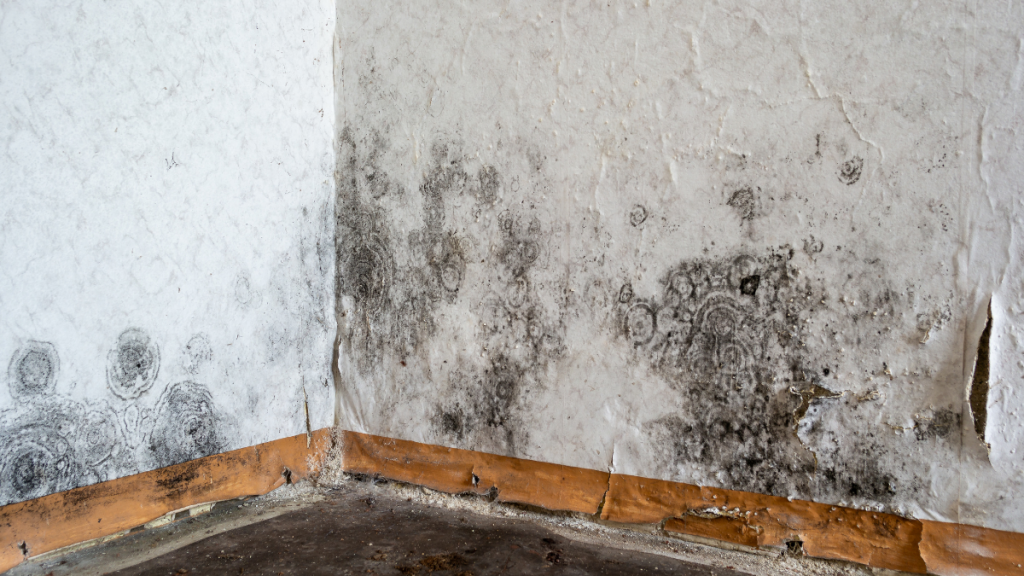
Approximately 2 million people live in properties affected by damp or mould. Damp and mould in homes can significantly harm health, primarily causing respiratory issues (asthma, infections, coughing, wheezing) due to mould spores, but also triggering allergies, skin problems (eczema), eye irritation and headaches.
Blocked or missing airbricks may be a hidden cause of these problems, allowing moisture to accumulate where it cannot escape. If you suspect poor ventilation in your home, a professional survey can reveal hidden risks before they become costly.
Common Airbrick Problems
“Blocked or misaligned airbricks are a surprisingly common hidden cause of damp and timber decay. Regular inspection is vital, not just for health, but for legal compliance and property longevity.”
Nicholas Donnithorne, National Technical Manager at Peter Cox
Airbricks can fail in several ways:
Obstruction and Misplacement
- Ground levels raised by driveways or landscaping
- Garden debris, soil, or temporary covers
- Renovations such as render or extensions blocking vents
Incorrect Height
- Airbricks should be around 150 millimetres above the external ground level
- Vents that are too low could allow rainwater to enter subfloor voids
Insufficient Quantity or Poor Design
- Too few vents or vents only on one wall
- Older or converted properties may lack sufficient airbricks
Material and Safety Risks
- Mice or rodents can chew through plastic airbricks, allowing access to the subfloor voids or the house itself
- Regulations now require non-combustible materials in vulnerable façades
Modern Retrofitting Issues
- Draught-proofing, insulation, and airtight glazing can reduce natural airflow
- Airbricks alone may not be sufficient in these situations to control ventilation and moisture accumulation
Professional survey recommended
Detecting and addressing these issues early prevents hidden damage and long-term repair costs. Airbricks are not just practical. They help homes meet legal and safety standards.
Can You Cover Air Bricks in Winter?
Some homeowners cover airbricks in winter to keep cold air out. This can be dangerous, particularly if open fires or flue-vented heating is used. Blocking airflow prevents moisture from escaping, creating a higher risk of damp and timber decay beneath floors, and can contribute to an unhealthy living environment during the colder months.
Even temporary covers should be carefully considered. Peter Cox surveyors can advise if your ventilation is sufficient or if additional measures are needed.
Real-world Examples from UK Homes
Birmingham Homeowner
A homeowner noticed a musty smell in their living room. Peter Cox surveyors found blocked airbricks and early-stage dry rot in the floor joists. Early intervention prevented structural damage and protected the timber.
“During our inspection in Birmingham, we identified blocked airbricks and early signs of dry rot in the floor joists. Acting quickly at this stage allowed the homeowner to address the issues before any structural damage occurred.”
Richard Broadbent, Peter Cox, Area Manager
London Refurbishment
During a refurbishment, insufficient subfloor ventilation caused by blocked airbricks was discovered. Acting quickly ensured the timber remained sound and the property complied with building regulations.
These examples show how minor ventilation problems can create serious hidden risks that are costly to fix if ignored.
Even small issues with blocked airbricks can lead to hidden timber decay. A professional survey is the safest way to uncover damp and timber damage. Peter Cox surveyors provide detailed reports with clear, actionable recommendations.
Practical Advice for Landlords, Homeowners, Builders and Owner-Occupiers
- Inspect thoroughly: check for blocked, missing, or incorrectly placed airbricks
- Evaluate cross-ventilation: vents should face each other across a sub-floor to allow cross-ventilation, or ducting should be used to allow all areas to receive adequate airing
- Consider retrofits holistically: modern insulation may require additional mechanical ventilation
- Comply with regulations: ensure airbricks meet NHBC and Building Regulations Part F guidance
- Document inspections: photos and airflow assessments help with legal compliance
Detect issues and strengthen ventilation and damp control now
From Awaab’s Law (2025+) through to the Renters’ Rights Bill (2026–27), regulations increasingly require fast action on mould and moisture issues, making robust, well-designed ventilation essential in both new builds and existing homes, especially in the public and private rental sector.
Why Local and National Expertise Matter
Peter Cox combines national expertise with local knowledge:
- National expertise backed by Rentokil Initial and decades of experience
- Local surveyors understand property types and regional risks
- Professional reports include photos, measurements, and actionable recommendations
- Many treatments come with long-term guarantees
This approach ensures homeowners and commercial clients receive long-lasting solutions tailored to their property.
Key Takeaways
- Airbricks are essential for subfloor ventilation
- Blocked or missing airbricks can cause hidden damp, timber decay and fungal growth
- Only a professional survey can uncover the root cause
- Book a survey to protect your property with actionable, expert recommendations