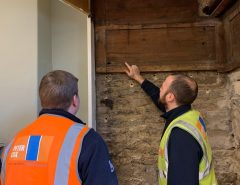
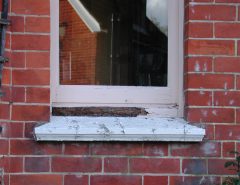
As temperatures drop across the UK over the next few weeks, many residents will be turning up the thermostat and putting the heating on. Following what has been a wet and warm autumn, the nation may also be preparing for a longer cold snap, meaning it is important to check your property is ready too.
This year, concerns about a ‘winter fuel crisis’ and higher energy bills may also put pressure on households to keep their homes warm in a cost-efficient way. However, while modern homes are designed to maximise energy efficiency, improvements like increased insulation, double glazing and draught excluders can also have the unintended consequence of sealing damp air within a property.
What do homeowners need to bear in mind this winter to reduce the risk of condensation, which is one of the most common causes of damp problems in buildings.
Identifying the common causes
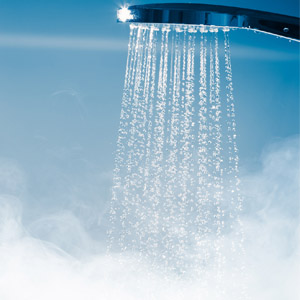
Condensation occurs when warm moist air touches a cold internal wall or surface. The main cause of condensation is a lack of adequate air ventilation in the property.
In addition to this lack of ventilation, our own behaviour can contribute to excessive moisture and condensation in the home. Common and unavoidable daily activities such as showering and cooking release moisture vapour into the atmosphere which, if not allowed to escape outside and disperse, will likely result in condensation.
The good news is that condensation can be easily rectified, in most cases by ensuring there’s adequate ventilation in a property. Whilst it may seem counterintuitive during winter, it is important to give warm humid air the chance to escape by using bathroom and cooker extractor fans where they are fitted and by opening windows or vents as much as possible.
Beyond condensation
While condensation is the most common damp issue, there are other types of damp problems that can arise when the temperature drops. For example, if you’ve found isolated damp patches on your walls, then this could be the result of penetrating damp. This is the general name given to damp problems caused when rainwater makes its way into the internal part of your home through defects in the building structure, damaged gutters or rainwater goods. Another common cause of penetrating damp is burst pipes, caused when water inside a pipe freezes and expands.
With increased rainfall and lower average temperatures, rising damp is also a common occurrence in winter. Rising damp is caused by water held in the ground being drawn into a property by capillary action. Most homes will have a functioning damp proof course to prevent this form of damp, but if that has become defective, you may start to see your walls affected by salty stains, and peeling or cracking paint. In such a case, you may require a remedial damp proof course.
How to address (and avoid) damp problems this winter
The most important thing is to act quickly – failure to address a damp issue can allow a problem to become more severe, increasing the amount of damage inflicted as well as the resulting repair costs.
For most damp problems, the key is to identify and rectify the source of moisture first. While there are DIY measures that exist to do so, it’s very important to speak to an expert if you are unsure – never try and just paint over a problem, for example. For more serious cases of penetrating damp, plasterwork might need replacing, while it could also lead to problems with wet or dry rot, meaning a surveyor might be needed to visit the site and provide a professional assessment.
Seeking help?
If you have identified damp problems in your property or attempted preventative measures that are not working, then it is advisable to call in the experts who can fully investigate and diagnose the cause of your problems as well as provide options to deal with them. Find out more about our services, from treating rising damp, penetrating damp, condensation issues and more.