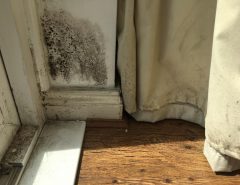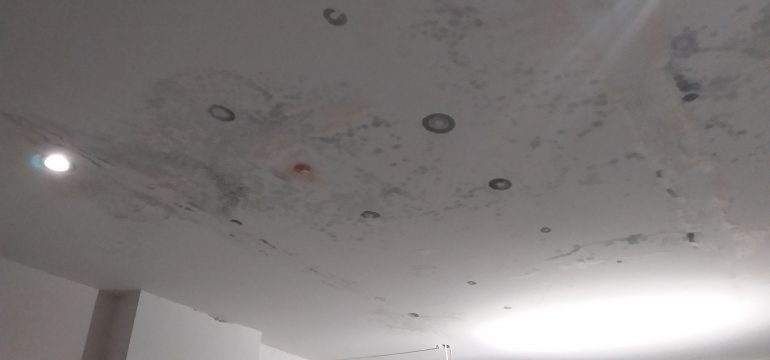

While many occupants are familiar with the sight of steamed-up bathroom mirrors or black mould forming on grouting, there are other ways condensation can form in properties.
Condensation occurs when warm, humid air condenses into liquid where there is a temperature difference between the air in the internal atmosphere and the surface, such as a bathroom mirror. This is known as surface condensation and is common in properties across the UK during periods of cold weather, as moisture is produced inside the home but ventilation is reduced.
Interstitial condensation, however, is able to form within the fabric of a building, as the air experiences temperature differences and condenses.
Interstitial condensation has, in the past, most commonly occurred in timber frame construction when insulation has been left out, or the vapour control layer has been missed or incorrectly detailed. Often it has been fitted on the wrong side of the timber, such that condensation forms on the timber, not the back of the VCL. Timber decay will then occur.
More recently, this has become an issue in refurbishment projects where sufficient detailing of the vapour control layer has not taken place in the join from the old property to the new extension and condensation can form within the structure. This can also occur with new roofs if the VCL is installed on the wrong side of the timbers.
The root cause of both surface condensation and interstitial condensation differs, and because interstitial condensation is often hidden from view, it can quietly compromise the structural integrity of your property without detection.
Understanding the mechanics of interstitial condensation is vital for any property owner concerned about long-term maintenance and safety
Interstitial Condensation Explained
Interstitial condensation is a specific form of moisture that occurs within the structure of a building, often during colder months.
Warm air will release moisture, and this forms condensation when it reaches a certain temperature, known as the dew point. If there is moisture-laden air in a property and it reaches the dew point, condensation will form on colder surfaces and materials such as brickwork, timber, or insulation.
The warm air will migrate through a property to cooler areas, such as north-facing rooms and even into the loft space. Over time, this moisture can become trapped, preventing it from evaporating. In some cases, moisture can become trapped in a cavity wall, condensing on the cavity insulation within.

The Difference: Surface vs. Interstitial Condensation
To understand the severity of the issue, it is important to distinguish between the two primary types of condensation homeowners encounter.
- Surface Condensation: This is the most common form, characterised by visible moisture forming on cold surfaces within the home, such as windows, mirrors, or external wall surfaces. Over time, it can lead to black mould growth and is typically caused by high humidity and poor ventilation.
- Interstitial Condensation: Interstitial condensation forms inside the structure, such as within the wall cavity or roof layers, becoming trapped. Because it is often in hard-to-reach places, it can remain hidden, and over time can lead to issues such as fungal decay and severe mould growth.
How Does Interstitial Condensation Occur?
Interstitial condensation is rarely the result of a single factor; it is usually a combination of environmental conditions and structural defects.
1. Vapour Control Layer Issues
A Vapour Control Layer is a functional barrier designed to block moisture from entering the building fabric. If these layers are missing, incorrectly installed or damaged, they allow warm, moist air to penetrate deep into the structure, where it eventually condenses. In new-build housing, issues can occur if the vapour control layer is incomplete or is later punctured for a TV cable to pass through. This forms a cold bridge where moist air hits dew point.
2. Poor Construction and Missing Insulation
Breaks in the insulation layer or the presence of thermal bridges can create internal cold points within the wall or roof. These cold spots allow moisture to condense as the warm air is able to reach its dew point much faster within the structure than in properly insulated sections.
3. High Internal Humidity
Modern homes are increasingly airtight to improve energy efficiency. While this keeps heat in, without proper ventilation, it can also trap excessive moisture levels. High internal humidity increases the vapour pressure, forcing more moist air into the building fabric than it can effectively handle.
The Long-Term Risks of Hidden Moisture
Because the moisture forms inside the structure, damage can occur hidden from sight.
Timber Decay and Rot
One of the most severe consequences of hidden moisture is the development of fungal decay in structural timbers. If roof rafters, floor joists, or wall plates remain constantly damp, they become the perfect environment for wet rot or dry rot. By the time the damage becomes visible on the surface, the timber may have already lost its structural integrity.
Corrosion of Metal Fixings
In many buildings, metal fixings are essential for holding the structure together. Persistent moisture within the wall leads to the corrosion and eventual failure of these metal components.
Loss of thermal efficiency
When insulation becomes wet, it will lose its thermal properties, making it less effective at keeping heat inside the property. This will mean an increase in energy consumption and ultimately energy bills. Wet insulation is very difficult to dry.
How to Test for Interstitial Condensation
Because the problem is often hidden from sight, damage can occur without anyone being aware. Professional damp and timber surveys are used to investigate the property, understand the dynamics of any damp problem, and offer recommendations to fix the problem long-term.
While DIY inspections are useful for understanding if there is a problem, often damp and condensation issues are complex, and professional assistance is required. This is especially true if structural timbers are damaged by issues such as fungal decay.
Peter Cox has a number of qualified surveyors working from our network of local branches, who are specialists in dealing with condensation problems. They will inspect both inside and outside your property, identifying any building defects or issues causing problems, and will use a range of specialist equipment and diagnostic tools to identify and confirm the issue.
Damp treatments will only be recommended when required, and the surveyor’s findings will be detailed in a survey report.
How to Prevent Interstitial Condensation
Preventing interstitial condensation can sometimes require specialist attention. Professional remedial actions may include:
- Installing or Correcting Vapour Control Layers: Ensuring a proper barrier is in place to stop moisture from migrating into the structure. But if the vapour control layer is within the structure, it may not be possible to reach it without major structural work.
- Improving Ventilation: Improvements to the airflow within the property to reduce internal humidity and vapour pressure may prevent moisture migration onto the structure.
- Damp Proofing: Often, moisture can enter a building through rising or penetrating damp, before evaporating and condensing on surfaces within the property. Damp proofing may be required to prevent this from occurring.
- Insulation: Cold spots in a property must be addressed to prevent breaks in the thermal envelope. This can be done by treatments such as thermal plastering or insulation top-ups.
Conclusion: Act Before Permanent Damage Occurs
Interstitial condensation can be a serious problem that causes mould growth inside a property. If you are worrying about a damp or condensation problem in your home, a professional damp and timber survey can help provide answers and long-term solutions.
Our experts will identify the root cause of your moisture issues and provide a permanent solution before invisible structural damage becomes a permanent problem. We can provide a range of solutions that prevent the problem from returning.