
Few things are as disheartening as pulling a favourite woollen jumper, a valuable heirloom rug, or out-of-season clothing out of storage only to find it riddled with mysterious, irregular holes. Discovering fabric damage on furniture or spotting tiny, slow-moving bugs crawling near your skirting boards can quickly cause panic and prompt the question, ‘Do I have beetle or moth damage?
While timber decay and dampness are well-known threats to the structural fabric of a property, pest infestations that target interior furnishings can cause just as much distress and financial loss. Carpet beetles are among the most destructive textile pests in UK homes, silently chewing through natural organic fibres such as wool.
Understanding how to spot the early warning signs, where these pests originate, and how to get rid of carpet beetles effectively will ensure your home, textiles, and soft furnishings remain fully protected.
What Are Carpet Beetles and Where Do They Come From?
To control a carpet beetle infestation, it helps to understand what these insects look like and why they enter your property. They are naturally occurring in the environment, but enter homes in search of natural materials to lay their eggs on.
In the UK, three species of dermestid beetles cause the vast majority of household damage:
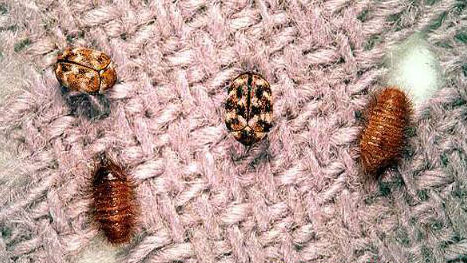
- Varied Carpet Beetle (Anthrenus verbasci): The most common offender. Adults are small (2–4mm long), oval-shaped like a ladybird, and feature a distinctive mottled pattern of yellow, white, and brown scales on their backs. The larvae that cause the damage are small, brown, and hairy (4-5 mm long), with a group of three bunches of upright golden, spear-headed hairs on either side of the rear segment. These hairs can penetrate human skin and may cause irritation to some people.
- Fur beetle (Attagenus pellio): The other common offender. Small and an elongated oval shape (4 – 6 mm), red-brown to black with a small white dot on each side of the back. The larvae are up to 6 mm long, with a banded appearance and long orange tufts of hair on the last abdominal segment.
- Guernsey Carpet beetle (Anthrenus sarnicus): Becoming common in the South East of England. 3mm in length and looks very similar to the varied carpet beetle, but with a different pattern of scales and more white rather than yellow. The larvae are almost identical to the varied carpet beetle.
Why Do I Get Carpet Beetles in My House?
A common query asked by homeowners is: Is my house dirty if I have carpet beetles?
The short answer is no. Spotting a carpet beetle does not mean your home is unhygienic. Adult carpet beetles are found naturally outdoors, feeding harmlessly on flower pollen and nectar when they emerge in spring. However, during spring and summer, as well as laying eggs in bird and rodent nests outside, adult females fly into homes through open windows, doors, or vents seeking secluded, dark areas to lay their eggs.
They are specifically attracted to natural organic materials that contain keratin—a structural protein found in animal-based fibres such as wool, fur and feather. Varied carpet beetle will also infest cereal products and fish food. Primary attraction factors include:
- Accumulated pet hair, dander, and human skin scales trapped beneath heavy furniture or along skirting boards.
- Lint and dust building up inside uncleaned vacuum bags or under floorboards.
- Dead insects around a property and on window sills.
- Abandoned bird or wasp nests located in lofts, under eaves, roof tiles, or inside chimney flues.
Carpet Beetles: Spotting the Signs of an Infestation
Knowing how to spot carpet beetles requires looking for physical indicators, as adult beetles themselves do not damage your fabrics.
1. Adult Beetles
Adult varied carpet beetles measure just 2–4mm in length. Because adult beetles are naturally drawn to light, they are most frequently found near window sills, light fixtures, or glass doors between spring and early autumn.
2. Larvae (“Woolly Bears”)
The larval stage is the actual destructive phase of the beetle’s life cycle. Carpet beetle larvae, often called “woolly bears,” are small (4–6mm), carrot-shaped or banded grubs covered in dense, stiff hairs or bristles. They avoid light and spend months feeding in dark, undisturbed areas, such as old bird or rodent nests, behind baseboards, under heavy wardrobes, or deep within stored clothing boxes. Grazing damage to carpets is often found when large items of furniture are moved.
3. Key Warning Indicators
Look out for these clear visual signs of an active problem:
- Threadbare Holes in Natural Fibres: Irregular, sparse holes chewed into woollen carpets, cashmere garments, feather cushions, leather, or silk. Unlike clothes moths, which scatter damage across a wide area, carpet beetle larvae tend to graze heavily in one concentrated patch.
- Shed Larval Skins: As woolly bears grow, they shed their bristly skins multiple times. Finding translucent, hollow larval casings near skirting boards, under rug edges, or inside storage drawers is a definitive sign of an infestation.
- Fine Frass: Microscopic, sand-like droppings collecting in dark storage corners or along carpet margins.
Differentiating Carpet Beetles from Clothes Moths and Bed Bugs
It is important to avoid confusing carpet beetles with other common pests:
- Clothes Moths: Moth larvae spin delicate, silky webbing over fabrics as they feed and leave silk cocoons behind, whereas carpet beetle larvae leave no webbing behind, only shed skins and clean-edged holes.
- Bed Bugs: Carpet beetles do not feed on human blood and do not live inside mattresses. If you are experiencing bites in bed, bed bugs or fleas are the likely cause, not carpet beetles.
Should I Worry About Carpet Beetles? (Damage & Health Concerns)
Homeowners often wonder about the severity of an outbreak, asking: Should I worry about carpet beetles?
Health Concerns: Skin Irritation Without Bites
Carpet beetles do not bite or sting humans. However, some people suffer from red, itchy rashes, small bumps, or skin irritation after coming into contact with infested carpets or clothing. This reaction is known as carpet beetle dermatitis in America. It is an allergic reaction to the microscopic, barbed hairs shed by carpet beetle larvae, which can pierce skin, become airborne, or lodge in fabrics.
Financial and Property Damage
While carpet beetles pose no threat to the structural timber framework of a building, their financial impact on soft furnishings can be significant. Left unchecked, a single female can lay up to 100 eggs, leading to extensive damage to expensive antique rugs, upholstered furniture, piano felts, and stored out-of-season wardrobes.
Will Carpet Beetles Go Away on Their Own?
A common misconception is that the insects will die out naturally over winter. Carpet beetles will not go away on their own. The life cycle is around 12 months inside and, in warm climates, half this. Outside, the life cycle usually takes 2 years. But if larvae are starved, the life cycle can exceptionally extend to two years inside. Larvae feed continuously on household fibres before pupating, allowing the infestation to multiply and spread to adjacent rooms.
How to Get Rid of Carpet Beetles (Step-by-Step Treatment)
Eradicating carpet beetles requires a thorough, systematic cleaning and treatment regime to target both the adult insects and the hidden larvae.
Step 1: Intensive Cleaning & Vacuuming
Mechanical removal is your first line of defence.
- Deeply vacuum all carpets, paying special attention to dark edges along skirting boards, under heavy furniture, and around radiators.
- Use nozzle attachments to clean out gaps between floorboards, inside built-in wardrobes, and around storage areas.
- Remove and dispose of old bird and rodent nests, as well as infested materials in lofts.
- Crucial: Immediately seal and dispose of the vacuum bag or empty the dust canister into an outdoor bin to prevent larvae from crawling back inside.
Step 2: Laundering & Heat Treatment
High temperatures kill carpet beetle eggs, larvae, and adults instantly.
- Wash all affected clothing, bedding, and washable fabrics at high temperatures (60°C or above).
- For delicate woollens, silk, or tailored garments that cannot be machine-washed, send them for professional dry cleaning or seal them inside plastic bags, with the air removed and place them in a freezer at -18°C for at least three days. After defrosting, this may require a second freezing cycle if materials are dense or eggs are present.
Step 3: Targeted Surface Treatments
To treat dark cracks and floor voids where eggs remain hidden, apply targeted treatments:
- Lightly dust diatomaceous earth (a natural, non-toxic desiccant powder) along skirting boards, under rug underlays, and inside dark storage cupboards.
- For persistent outbreaks, apply a low-odour, residual insecticide spray designed specifically for crawling insects along floor edges and crack crevices, ensuring pets and children are kept away until dry.
How to Permanently Prevent Carpet Beetles From Returning
Once an active outbreak has been cleared, adopting long-term preventative habits will stop carpet beetles from re-establishing a foothold in your home:
- Sealed Storage: Store out-of-season woollen garments, cashmere jumpers, and animal-fibre textiles in clean, sealed plastic vacuum bags or sealed storage boxes rather than open cardboard containers.
- Control Pet Hair and Lint: Vacuum pet sleeping areas, under sofas, and along skirting boards regularly to eliminate the buildup of stray fur and lint.
- Remove Nests: Clear away abandoned bird, wasp, or rodent nests from lofts, eaves, and chimney areas, as these are primary breeding grounds for carpet beetles and other stored product insects.
When to Call Professional Pest Control
While minor outbreaks confined to a single rug or drawer can often be managed using DIY methods, persistent or widespread infestations require expert intervention. You should seek professional pest control if:
- The infestation has spread across multiple rooms or floor levels.
- Valuable antique carpets, historic tapestries, or delicate upholstery are at risk.
- Repeated vacuuming and laundering fail to stop new larvae from appearing.
Professional pest technicians utilise professional residual sprays not available to the public, specialised dust treatments, or heat-treatment chambers to penetrate deep into fabrics and voids, guaranteeing total eradication of all lifecycle stages.
How Peter Cox Can Help
Protecting your home environment requires reliable expertise and a comprehensive approach to property care. While Peter Cox is the UK’s leading authority on structural damp, timber decay, and wood-boring insect treatments, our specialists understand the distress caused by any property pest or timber issue. We partner with Rentokil Pest Control to bring you a full property service.
Our qualified surveyors provide detailed property inspections, identifying structural vulnerabilities, such as loft dampness, compromised airbricks, or timber defects, that allow pests and moisture to enter. With a nationwide network of local branches, we offer clear, practical advice and guaranteed solutions to keep your building fabric safe, dry, and secure.
Conclusion
Getting rid of carpet beetles requires acting quickly, cutting off their food sources, and thoroughly treating dark breeding spots before larvae can cause lasting damage to your soft furnishings. By combining deep vacuuming, heat laundering, and proper textile storage, you can protect your home and keep your textiles safe.