

The United Kingdom is home to an extraordinary wealth of historical properties, from medieval timber-framed cottages and Georgian townhouses to grand Victorian industrial warehouses.
Preserving these structures requires more than just standard maintenance; it requires a deep understanding of traditional building techniques and a respect for the original materials used.
One of the greatest threats to historic properties is moisture ingress, which is often caused by a lack of routine maintenance.
Water ingress can lead to the degradation of masonry, internal timbers and decorations such as plasterwork. This means that solutions to prevent moisture ingress must be as sympathetic as they are effective.
At Peter Cox, we specialise in the balance between modern structural protection and historical preservation.
The Importance of Waterproofing Older Buildings
Waterproofing older buildings presents a unique set of challenges because of the unique ways in which many properties were designed and built, with no heritage building being the same.
Traditional buildings were often designed to be “breathable,” allowing moisture to enter and exit the masonry freely through the use of natural ventilation using open fires, airbricks and lime plaster. Over the decades, many natural methods of airflow have been covered over in order to prevent draughts, which can ultimately lead to damp problems, especially when combined with building defects and general neglect.
This means the original method of damp proofing fails, which leads to higher humidity, ultimately leading to damp and condensation problems.
The Threat of Moisture Ingress
Aged masonry is often porous and relies on lime-based mortars that allow for moisture movement and evaporation. However, persistent moisture ingress can lead to:
- The Decay of Historical Timber: Moisture provides the source for wet rot and dry rot, which can devastate original structural timber such as beams and floor joists.
- Masonry Degradation: Freeze-thaw cycles can cause porous stone and brickwork to spall, permanently damaging the aesthetic and structural integrity of the facade. Which can further exacerbate damp problems.
- Salt Contamination: As moisture evaporates, it leaves behind hygroscopic salts that continue to attract atmospheric water, leading to persistent dampness.
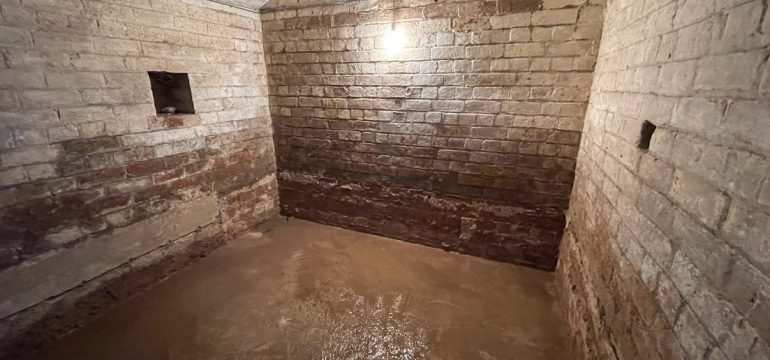
- Below-ground moisture: Modern standards and techniques mean that below-ground waterproofing can be used to convert once-damp basements into habitable living spaces
Maintaining the longevity of these structures requires expert damp proofing and waterproofing solutions that manage moisture without trapping it within masonry, which can often do more harm than good.
There needs to be a fine balance between preservation and restoration of heritage and listed buildings in the United Kingdom.
Understanding Heritage Regulations and Standards
Working on a listed or heritage building is not the same as working on a standard domestic property. There are strict regulatory standards and legal requirements that must be met before any remedial work begins.
Regulations for Damp Proofing Listed Buildings
Many heritage structures are protected by Listed Building status, meaning any alterations that affect the character of the building require Listed Building Consent.
Conservation officers generally prioritise:
- Minimal Intervention: Only doing what is necessary to preserve the structure.
- Reversibility: Using systems that can be removed in the future without damaging the original fabric.
- Sympathetic Materials: Ensuring that new interventions do not negatively impact the original architecture of the building.
Peter Cox has a long track record of working within these constraints, providing the expert advice and detailed advisory reports needed to secure consent from conservation officers.
Techniques for Preserving Heritage Properties
Preservation requires a specialist touch that forms a balance between the original construction, the end use of a building and the heritage regulations.
When carrying out property preservation, it is key to use non-invasive and sympathetic solutions to ensure the building’s fabric is never compromised.
Sensitive Basement Waterproofing
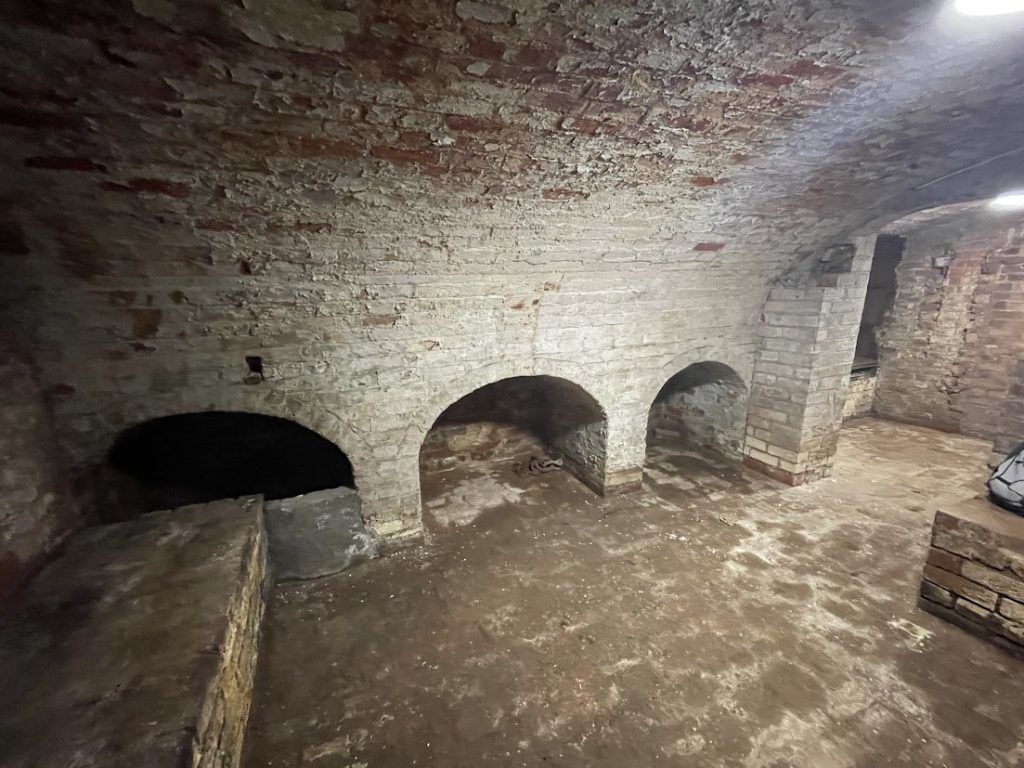
Historical basements and cellars are particularly vulnerable to moisture. While tanking is a viable way to waterproof underground structures, it is non-reversible. This means that waterproof membranes are often recommended when carrying out waterproofing in listed properties.
These systems use a dimpled membrane to create a managed gap between the wall and the internal finish. Water is allowed to enter the structure but is safely diverted to a drainage point. This approach is:
- Non-destructive: It does not rely on a chemical bond with the original masonry.
- Reversible: The system can be uninstalled if restoration requirements change in the future.
Modern vs. Traditional: Can You Use Modern Membranes?
A common question for heritage contractors and owners is whether modern materials have a place in historical preservation. The answer is yes, but only when integrated with care and expertise.
Modern technology, such as Type C drained protection, can be safely integrated into heritage projects when it acts as an “overlay” rather than a permanent alteration to the masonry. These modern solutions are often more reliable than traditional methods for below-ground waterproofing, provided they are designed with the building’s specific historical context in mind.
Expert Waterproofing Solutions: The Peter Cox Approach
Peter Cox is positioned as a technical expert in the preservation of the UK’s architectural history. Our approach focuses on the role of the heritage specialist in providing well-planned, timely, and compliant structural solutions.
The Comprehensive Heritage Survey
A specialist waterproofing survey from Peter Cox is more than just a quote; it is a detailed advisory document tailored to preservation requirements. Our reports include:
- Detailed Diagnosis: Identifying the exact source of moisture ingress.
- Compliance Advisory: Ensuring proposed treatments align with conservation standards.
- Preservation Strategy: A long-term plan for maintaining the structural and historical status of the building.
Conclusion
Preserving the UK’s architectural history is a significant responsibility that requires a specialist touch. By combining deep technical expertise with a respect for traditional building methods, Peter Cox ensures that historic structures are protected for future generations.
Take the next step in preservation. If you are an architect, heritage contractor, or private owner of a listed property, protect your building’s historical status with expert advice you can trust.
Book a Waterproofing Property Survey today via our heritage-focused contract team. Our comprehensive reports provide the foundation for protecting and waterproofing the nation’s most precious buildings.


