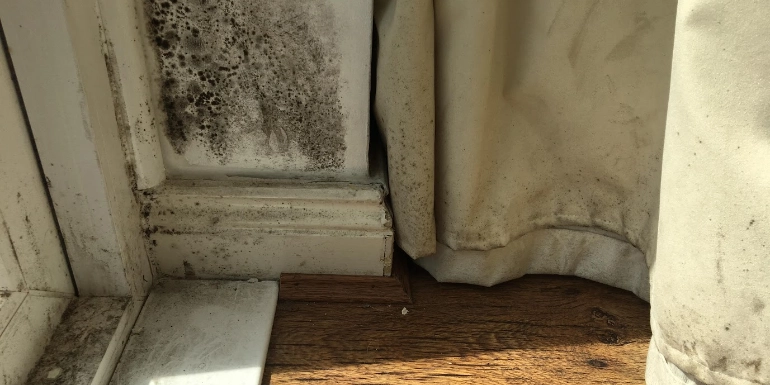
Do Dehumidifiers Get Rid of Damp?
When damp patches, streaming windows, or black mould start showing up at home, buying a dehumidifier feels like the quickest fix. They are great at pulling excess moisture out of the air, which helps keep indoor humidity down and stops condensation in its tracks.
But do dehumidifiers actually get rid of damp?
It depends entirely on what is causing the damp in the first place. While a dehumidifier will help keep day-to-day condensation under control, it won't fix structural damp problems like rising damp, penetrating damp, or a hidden pipe leak.
Before spending money on an appliance, it helps to know whether the moisture is coming from the air inside your rooms or soaking through your walls from outside.
Running a dehumidifier might make a damp room feel drier for a while, but if water is still getting into your brickwork, the damp and mould will keep coming back. A professional damp survey can help identify the source of the moisture and establish the most appropriate long-term solution.
How Does a Dehumidifier Work?
A dehumidifier pulls damp air out of a room, traps the water inside a tank, and blows drier air back out. By taking that extra moisture out of the air, it stops condensation from settling on cold walls, windows, and corners.
This can be particularly useful in rooms where moisture builds up through everyday activities, such as cooking, bathing, and drying clothes indoors.
However, a dehumidifier does not remove moisture directly from soaked masonry or fix building defects that let rainwater and groundwater seep into your walls, floors, or ceilings.
What Does a Dehumidifier Do?
Most domestic dehumidifiers work using one of two main methods: refrigeration or absorption.
- Refrigerant dehumidifiers draw warm, moisture-laden air into the unit and pass it over cold coils. As the air cools, water vapour condenses into liquid, which collects in a removable tank or drains away through a hose.
- Desiccant dehumidifiers use an absorbent material to capture water vapour from the air. The moisture is then released into a separate collection system.
Both types reduce the amount of moisture in the surrounding air of your home.
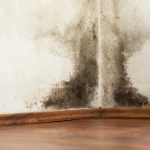
With less dampness in the air, there are fewer chances of water beading up on cold windows, exterior walls, or behind heavy furniture, cutting off the damp conditions black mould needs to grow.
Keep in mind that a dehumidifier only manages moisture. Unlike an air purifier, it won't filter out airborne mould spores, dust mites, or chemical fumes.
Effectiveness of Dehumidifiers: Where They Work and Where They Fail
The effectiveness of a dehumidifier depends on the source of the moisture affecting your property.
If your home suffers from condensation, a dehumidifier is a solid everyday tool for keeping damp walls and mould at bay. However, it works best alongside good habits such as good ventilation and adequate insulation.
They are also not a permanent solution for structural damp problems, including rising damp and penetrating damp. These occur when moisture enters or travels through the building fabric, rather than simply accumulating in the air.
A dehumidifier might dry the air right next to a wet wall, but it won't repair a failed damp-proof course, a leaking pipe, cracked brickwork, or an overflowing gutter.
Where They Are Effective: Managing Condensation
Dehumidifiers can help manage condensation by reducing excess moisture produced through everyday household activities.
Common sources include:
- Cooking and Bathing: Boiling pans, simmering food, and hot showers pump warm steam into the air. Without a good extractor fan or open window, that steam settles straight onto the nearest cold wall.
- Drying Clothes Indoors: Wet laundry releases litres of water as it dries. Hanging clothes over radiators or airers in a closed room traps all that moisture indoors.
- Poorly Ventilated Rooms: Bedrooms, box rooms, and corners behind large wardrobes often have very little airflow, giving damp air nowhere to escape.
In these situations, a dehumidifier can help lower indoor humidity and manage the conditions that contribute to condensation.
However, it should be used alongside appropriate ventilation and moisture control. Opening windows when appropriate, using extractor fans, and ensuring ventilation systems work correctly can all help remove moisture at its source.
It is also important to choose a unit with sufficient capacity for the room and the amount of moisture being produced. Dehumidifiers are rated by how many litres of water they extract per day, and a small unit will struggle in a large, damp room.
Remember to empty the tank regularly too, as most models shut off automatically once the tank is full.
Do Dehumidifiers Fix a Damp Problem?
A dehumidifier eases the symptoms of damp, such as misty windows and damp-feeling air, but it rarely solves the root problem on its own.
If damp is caused by structural defects or water entering the building, a dehumidifier will not provide a lasting solution.
Dehumidifiers cannot fix:
- Rising Damp: Groundwater drawn up through porous bricks because a damp-proof course is missing, damaged, or bridged. A dehumidifier cannot replace or repair that physical barrier.
- Penetrating Damp: Rainwater forcing its way in through blocked gutters, slipped roof tiles, cracked render, or crumbling mortar. Until the outside wall is repaired, water will keep coming in.
- Leaking Pipes: Slow plumbing leaks hidden behind walls, under floorboards, or behind appliances. The pipe needs to be found and fixed before the surrounding plaster and timber can ever dry out.
Common Question: How long will a dehumidifier take to dry out damp walls?
A dehumidifier can speed up surface drying by pulling moisture out of the surrounding air, but only after the source of the water has been stopped. If rain is still soaking through the brickwork or a pipe is still dripping, the wall simply won't dry out.
Once a leak or damp issue has been properly repaired, solid brick and stone walls still hold onto deep moisture. Depending on how thick the wall is and how saturated it got, full drying can take anywhere from several weeks to a few months. Think of a dehumidifier as a helpful drying aid during that time, not a substitute for proper repairs.
Choosing the Right Dehumidifier for Condensation
If your damp problem has been identified as condensation, picking the right model makes a big difference to how well it performs and how much it costs to operate effectively.
There are several factors to consider, including the type of appliance, the temperature of the room, and the amount of moisture it needs to remove.
- Refrigerant (Compressor) Dehumidifiers: These work best in normal, heated living spaces like bedrooms, lounges, and hallways. They are usually cheaper to run in warm rooms.
- Desiccant Dehumidifiers: Because they don't rely on cold coils, these perform much better in chilly spaces like unheated spare rooms, garages, utility rooms, or basements.
- Capacity: Check the daily extraction rate (measured in litres over 24 hours). Bigger rooms or households drying lots of washing indoors need a higher capacity unit.
Match the machine to the room's typical temperature and size, and check the manufacturer's guidance before buying.
If your dehumidifier is filling up every few hours or running nonstop without making a dent in the damp, it usually points to poor ventilation or a hidden structural leak that needs investigating.
Dehumidifier Tips for Damp Control
If you are using a dehumidifier to manage condensation, a few practical steps can help you get the best results.
- Location: Place the unit in the dampest room and leave plenty of space around the vents so air can circulate freely. Keep exterior doors and windows closed while it runs to prevent drying the outdoor air.
- Energy Consumption: Running a dehumidifier 24/7 adds up on your energy bill. Use the humidity settings or timer where available, and address the sources of excess moisture rather than relying on the appliance indefinitely.
- Maintenance: Empty the water tank and clear the filters regularly. A blocked filter or full collection tank can affect performance.
- When to consider other options: f condensation and mould return the moment you turn the machine off, look at permanent ventilation upgrades like humidity-tracking extractor fans or a Positive Input Ventilation (PIV) system.
A dehumidifier works best as part of a balanced routine alongside good heating, airflow, and sensible moisture control.
When Should You Not Use a Dehumidifier?
You shouldn't rely on a dehumidifier as your main fix if water is getting into your home from outside or below ground. Leaving a machine running in a structurally damp room masks the problem while moisture keeps damaging your walls behind the scenes.
Warning signs that a dehumidifier alone may not be sufficient include:
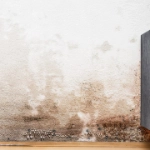
- Tide Marks on Walls: Wavy brown or yellow staining near skirting boards on ground-floor walls often points to rising damp, while patches that darken after rain suggest penetrating damp.
- Damaged or Blistering Plaster: Bubbling paint, plaster that sounds hollow when tapped, and white powdery salt marks mean moisture is pushing through the masonry.
- Persistent Musty Smells: A damp, earthy odour that hangs around even when the room feels warm and dry often signals hidden dampness under floors or behind walls.
- External Issues: Cracked render, missing mortar, overflowing gutters, and damaged roof tiles all give rainwater a direct route indoors.
- Decaying Timber: Skirting boards or floorboards that feel spongy, warped, or darkened can indicate prolonged dampness and timber decay.
Identifying one of these signs doesn't automatically tell you the exact diagnosis, because different damp issues often look similar on the surface, but it is a clear signal to get the property checked properly.
Identifying the Root Cause
When damp or mould keeps returning despite your best efforts with a dehumidifier, the smartest move is to get an accurate diagnosis before spending more money on temporary fixes.
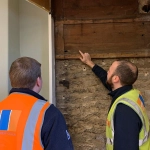
Our qualified surveyors will inspect your property inside and out; checking moisture readings inside the walls, airflow, wall construction, and external defects so you know exactly what is going on.
Depending on the cause, suitable solutions may include:
- Damp Proof Courses: If rising damp is confirmed, installing or repairing a damp-proof course stops ground moisture travelling up through the brickwork.
- Structural Waterproofing: Cellars, basements, and earth-retaining walls often need a dedicated waterproofing system to hold back surrounding ground moisture.
- Advanced Ventilation Systems: Where condensation is linked to inadequate ventilation, improvements such as extractor fans or Positive Input Ventilation (PIV) may help manage indoor humidity by improving air circulation and removing moisture.
- Thermal Plastering and Other Thermal Improvements: Cold exterior walls attract condensation. Thermal plastering or targeted insulation warms up cold wall surfaces so moisture stops settling on them.
Conclusion: Are Dehumidifiers Right for Damp?
Dehumidifiers are great for cutting down indoor humidity and keeping everyday condensation under control. Still, they are a supporting tool, not a cure-all for every damp problem.
While they will happily pull steam from cooking, showers, and drying laundry out of the air, they can't fix a bridged damp-proof course, cracked brickwork, or a leaking pipe. Running a dehumidifier nonstop without fixing the real cause simply runs up your electricity bill while damp continues damaging your walls.
If condensation is your main issue, pairing a good dehumidifier with steady heating and better airflow will make a real difference.
If you are unsure why damp or mould keeps returning, a professional assessment can help establish the cause and identify the right course of action.
Contact Peter Cox today to arrange a professional damp and timber survey. Our specialists can investigate the source of moisture in your property and recommend appropriate solutions to help protect your home.