
Call Today on 08082508820 * or Book a Survey Online
Condensation Control Specialists - Peter Cox
Often condensation problems can be solved by minor adjustments to activities that create excess moisture in a property - cooking, washing, cleaning and drying clothes.
Sometimes this isn’t enough to stop damp walls and mould growth from returning, and you may need professional solutions for ventilation and thermal improvements.
Peter Cox have been carrying out condensation control for homeowners, social housing providers and commercial partners across the country since 1951. We can provide you with a condensation survey to fully understand your issue, and provide you with specialist advice and recommendations, no matter where you are in the UK.
Professional Condensation Solutions
If you have a persistent condensation and mould problem, we are here to help with professional condensation solutions. A qualified surveyor from a branch local to you will carry out a thorough condensation survey, before providing you with a detailed survey report outlining their findings.
Peter Cox surveyors are typically CSRT or CSTDB qualified, meaning they can use their expertise and knowledge to fully understand the condensation problem at hand. With any survey relating to damp they will carry out an inspection of the exterior and interior of your property in order to understand the full picture.
They will check for the root cause of the damp issue, whether it is caused by excess moisture production, a plumbing leak, penetrating damp or any other factors. Our surveyors are equipped with specialist tools to understand the internal environment of your property, while taking time to measure internal conditions such as humidity, temperature and dew point.
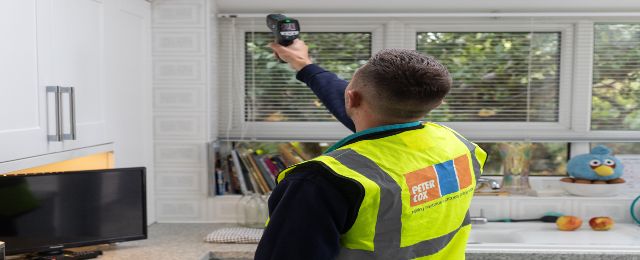
The surveyor will also use a thermal imaging camera that will identify cold spots and cold bridging that could be causing condensation to form. The camera is used to detect the differences in surface temperatures. This can then be used to understand what is causing the problem.
They will provide you with their findings in a survey report, with recommendations for condensation control solutions. This can include options such as improvements to ventilation and the thermal efficiency of the property. They will detail any building defects found, as well as any problems with structural timber caused by fungal decay or woodworm.
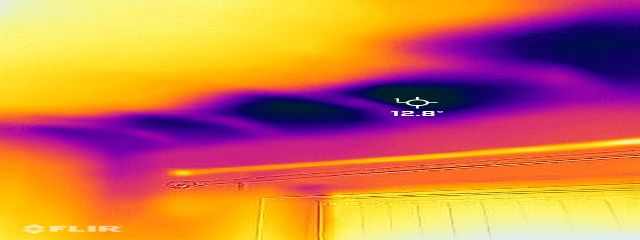
A thermal imaging survey reveals cold areas (dark) on a ceiling where a roll of insulation is missing. This had created a cold bridge on which condensation and mould had formed.
Condensation Control Solutions
Once a Peter Cox surveyor has carried out their inspection of your property, they will provide you with a survey report with the scale and scope of the condensation problem, along with a treatment plan to solve the issues found.
To prevent condensation you must get a balance of heating, insulation and ventilation.
Ventilation Improvements and PIV Systems
Solutions for improving ventilation can include adding additional air bricks, trickle vents and extractor fans, along with positive input ventilation systems.
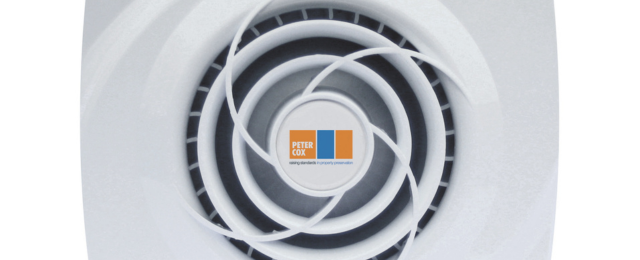
Extract Fans: Filterless extract fans are designed to remove humid air at the source of production, meaning they are typically installed in bathrooms and kitchens.
Extractor fans should always be used when cooking, washing and cleaning, while keeping the doors closed to prevent hot humid air from escaping into the rest of the property. Humid air can expand outwards at 600 litres per second when a door is opened. You should keep extractor fans running for 10 minutes after cooking and showering to help remove any excess moisture in the air.
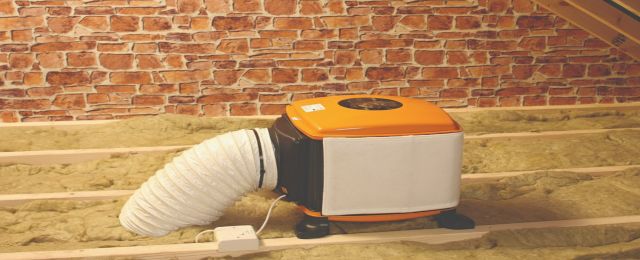
Positive Input Ventilation (PIV): PIV units can provide a constant stream of air into a property and are excellent options for improving air quality and removing moist air. PIVs are designed to remove stale air and replace it with a constant stream of fresh, filtered and tempered air from the loft space or from a wall mounted unit, depending on the type of property.
Thermal Efficiency Improvements
For cold spots and cold bridging, thermal improvements can be made to combat condensation and keep your house warm.
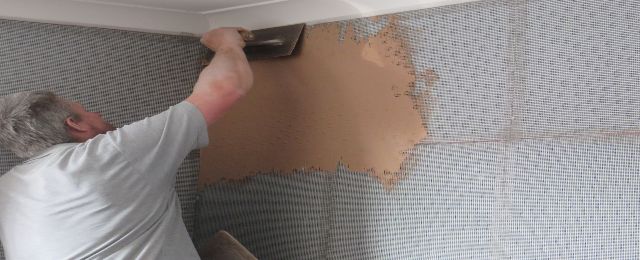
Thermal plastering: Thermal plastering can be used on solid walls to reduce energy bills by improving the thermal efficiency of the property. This system helps prevent cold spots where condensation issues can occur. Our thermal plastering system allows walls to be insulated without costly alterations to skirting boards, windows, covings and radiators.
It can be plastered using various base coat plasters to increase impact resistance or simply skim coated to minimise loss of space. Once plastered, it creates a smooth wall surface ready for decoration. The product meets Building Regulations for use where it is not functionally or technically possible to install thicker insulation systems.
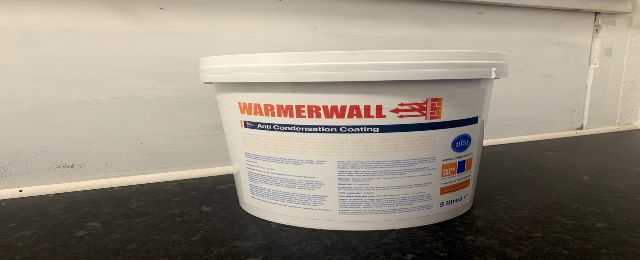
Anti-condensation paints: Perfect for small areas of condensation and mould growth caused by cold bridging, an anti condensation paint can be applied to create a thermal barrier between the cold surface and the warm moist air in the room.
It uses hollow glass beads incorporated into paint, acting as miniature thermos-like bottles. This then creates a thermal barrier between cold surfaces and the warmer interior air. Sometimes areas are difficult to insulate, so anti-condensation paints are a perfect option.
Adding insulation: Many homes may not have insulation up to recommended standards. Loft insulation can be a simple and effective way to stop the heat from escaping your home while preventing mould growth on ceilings. Peter Cox will lay new insulation in most standard roof areas, and can top up insulation over the existing areas up to 270mm if required.
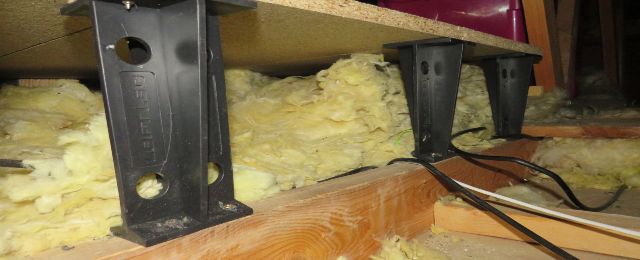
In addition to insulation, we can supply and install loft boarding to provide extra storage space within your roof void. Using loft legs to raise boarding above the insulation will prevent compaction, ensuring there is no reduction in thermal performance and maximising heat retention within your home.
Other Condensation Control Options:
Door Undercuts: When warm, moist air gets trapped in a room without ventilation, it increases the likelihood of condensation occurring. Under door ventilation will increase the air circulation, helping maintain temperature balance, and control moisture levels, therefore preventing mould growth. If a PIV unit has been installed to combat a condensation problem, it will be far more effective at providing air flow to all parts of the premises, when there are undercuts in accordance with Building Regulations.
Door ventilation solutions such as door grilles, air vents, or simply undercutting the bottom will help combat associated ventilation problems.
Professional Mould Cleans
Small patches of black mould can sometimes be resolved by cleaning with household products and improving ventilation. However, widespread or recurring issues often need professional mould removal methods to be fully eradicated. Our black mould removal service starts with thoroughly surveying the affected areas. We then carry out specialist cleaning using professional grade fungicidal treatments to kill the mould at its source and remove the associated stain.
Health Problems Associated with Condensation
Condensation and mould growth can adversely affect indoor air quality and pose health risks, particularly if there is long-term exposure. Some people experience mild symptoms like nasal congestion, coughing, sneezing or skin rashes when mould is present. For those with allergies or asthma, mould can trigger attacks or make breathing more difficult. Prolonged exposure has been linked to more serious respiratory problems, such as mould-related infections in people with weakened immune systems.
Moist stale air from a lack of ventilation may contain dust mite allergens and other organic compounds, such as cleaning products, hair spray, deodorant and scented candles, which can contribute to asthma symptoms.
Condensation Specialists - Peter Cox
If you are concerned about condensation and mould in your home, we are dedicated to providing personalised condensation advice and solutions to safeguard your home.
When you are having a survey carried out on your property it’s essential you choose a company with experienced and specialist surveyors - this means they have the right training and knowledge to reach the proper diagnosis and recommendations for your condensation problem.
Peter Cox have branches throughout England, Scotland and Wales, meaning CSRT and CSTDB qualified surveyors with local knowledge on your doorstep.
Whether you are a homeowner, commercial partner or social housing provider, we can provide expert advice and solutions.
Peter Cox are rated ‘Excellent’ on Trustpilot with over 2,500 independent reviews showing we are a company to trust with the repair of your premises.
FAQs:
-
What's the best way to stop condensation?
The best way to stop condensation is to reduce the amount of moisture produced in your home, and improve ventilation to allow trapped moisture to escape. This can include drying clothes outdoors, using pan lids when cooking and making sure extractor fans are on when cooking, washing or cleaning. Trickle vents should be open and ensure furniture is away from walls to increase airflow. Simple changes can stop a condensation problem in most properties, but if the issue persists you may require professional help.
-
Should you wipe condensation off walls?
If your walls are damp, you can wipe away the excess moisture with a cloth. Make sure to wring the cloth out over the sink, so the moisture is removed from inside the home. Should the problem persist you may require thermal improvements to the walls to remove the cold spot causing the condensation.
-
Does a warm house stop condensation?
Yes, if you keep your house at a regular temperature this will help stop condensation, as warmer air holds more moisture, preventing it from condensing on cool surfaces. However, this is only half the story. You should ensure there is enough ventilation to help remove excess moisture from the atmosphere in tandem with heating.
The World Health Organisation suggests indoor air quality in living areas is best around 18-20°C.
Next Steps
*Survey enquiries for your local branch will be directed to our dedicated central survey control teams across the UK. Calls to 0800 and 0808 numbers are free unless you are calling from a business phone, in which case the rate will be set by your provider.