
Have you ever walked past a brick house and noticed bricks with tiny holes near ground level or h...

Call Today on 08082508820 * or Book a Survey Online
Black Mould Removal Services
Black mould in your home is more than just an unsightly nuisance; it can damage walls and furniture and pose health risks. This fungus thrives in damp, poorly ventilated areas, leaving blackish-green stains and a musty odour. If you spot signs of growth, it's crucial to act quickly with proper black mould treatment to protect your living environment. Simply wiping away surface mould will not remove the stain or remove the long-term issue, as it will likely return if the underlying moisture problem isn’t resolved.
Although Black mould is the most common type of mould home owners identify with, there are many different species of black staining mould as well as others that stain green and grey. Generally, the species is not the issue, the sudden appearance of any mould tells you that the indoor air quality is out of balance and needs resolving.
Our team of specialists provide professional solutions to safely eliminate mould and tackle its causes - typically condensation or leaks. It does not matter if the mould is black, green, grey, pink, yellow or indeed white, they all have a similar root cause. With our help, you can achieve lasting mould removal in your property and prevent black mould from returning.
What is Black Mould?
Black mould is the common name for various species of fungi that grow in damp environments and can appear as dark patches on walls, ceilings, behind furniture and in the corners of rooms. It will often occur in solid wall properties rather than those built with cavity walls, as lower temperatures outside reduce the thermal efficiency of the wall.
Black mould growth is an indicator of a condensation problem in a property, and will occur in cold areas such as uninsulated ceilings or north-facing external walls. Black mould can lead to damp musty smells and can cause health effects such as coughing, wheezing or sore throats. It can cause issues for people with a weakened immune system, the very old and the very young.
To stop the problem you must remove the source of moisture causing the black mould spores to germinate. This can be done through improvements to ventilation. Black mould is caused by spores which are all around us, and will germinate on damp surfaces. As the black mould colony matures new spores are released and the cycle continues.
What causes Black Mould?
Black mould is a very common problem associated with condensation. Moisture from everyday tasks such as cleaning, washing and cooking is trapped inside a property and condenses on cold surfaces. This leads to fungal spore germination and growth.
It is worth noting that leaks or penetrating damp can also cause a mould problem as they create a cold surface on which mould can form, but this is a far less common occurrence. A condensation survey will be able to provide answers and recommendations if you are concerned about a damp problem.
Why consider professional mould cleaning?
DIY attempts to scrub away mould might offer a temporary fix, but they often fail to address the root cause of the stain. A professional mould cleaning company will clean the visible mould and identify and remedy the moisture issues that encourage this fungus to grow. For example, an experienced mould and damp specialist knows to check for underlying problems like condensation, ventilation shortfalls, or hidden leaks.
Experts can safely remove mould without spreading harmful spores by using specialist treatments and equipment. They can also apply preventative measures, such as anti-fungal treatments and/or improve airflow, to stop the mould from returning. In short, investing in professional mould remediation services gives you a thorough, long-term solution rather than a quick cover-up, protecting your health and home for the future.
Browse our mould cleaning services
At Peter Cox, we offer a comprehensive range of mould removal services to tackle black mould and its causes. Below are some of our specialist mould solutions for eliminating mould and preventing its return:
Black mould removal
Small patches of black mould can sometimes be resolved by cleaning with household products and improving ventilation. However, widespread or recurring infestations often need professional mould removal methods to be fully eradicated. Our black mould removal service starts with thoroughly surveying the affected areas. We then carry out specialist cleaning using professional grade fungicidal treatments to kill the mould at its source

If needed, we can install ventilation solutions, such as Positive Input Ventilation (PIV) units or recommend other fixes to address the humidity and condensation issues that caused the mould to form. We handle projects in all types of property, from private homes to commercial buildings and social housing, treating mould on walls, ceilings, in lofts and basements. The result is a mould-free property and reassurance that the black mould won’t return.
Home Ventilataion Units
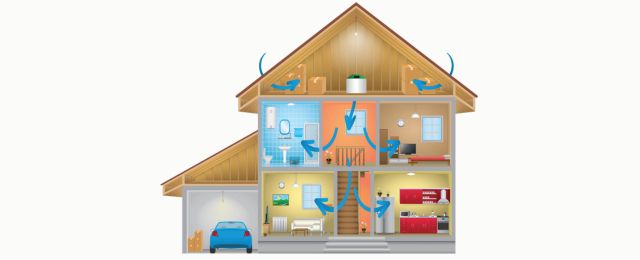
Improving ventilation is one of the most effective long-term solutions to prevent mould caused by condensation. Our experts can install modern home ventilation units to expel damp air and continuously introduce fresh, dry air. For example, a PIV system is typically fitted in a loft space to push clean, filtered air into the property, forcing out the moisture that mould thrives on.
They are a perfect long-term complement to our mould cleaning services, ensuring that it doesn't come back once your mould is cleaned.
Condensation Solutions
Condensation on cold surfaces is the number one cause of black mould in most homes. Our condensation solutions focus on reducing excess moisture in your property, tackling the problem at its source. First, our surveyors will diagnose why condensation is occurring. It could be poor ventilation, excess moisture production, inadequate heating, cold spots on walls or a combination of issues. We will then recommend the appropriate remedy. Often this involves improving ventilation, but it can also include installing dehumidifiers, enhancing insulation, or applying special anti-condensation paint to walls and ceilings.

By curing your underlying condensation issues, we provide a proactive approach to mould remediation, preventing dampness so that mould cannot take hold. Combined with our direct mould treatments, these solutions ensure a long-lasting fix for a healthier home.
Thermal plastering for damp, cold spots on walls
As an alternative to anti-condensation paint, Peter Cox are able to provide an anti-condensation thermal plastering system for solid walls.
Thin thermal tiles allow walls to be insulated with or without plaster removal and without costly alterations to skirting boards, windows, covings and radiators. The thermal plaster can be overpainted or papered over, without affecting thermal performance.
The system reduces the heat loss through 9 inch brick walls by up to 40% and meets Building Regulations for use where it is not functionally or technically possible to install thicker insulation systems. This product is Class O Fire rated. It is not a solution for severe condensation unless the root cause is dealt with and usually by increasing ventilation.
What does the professional mould removal process involve?
Every mould infestation is slightly different, but our mould removal experts follow a proven process to ensure safe and effective results.
It typically begins with an initial survey and moisture assessment. A qualified mould specialist will inspect the affected areas (and any hidden problem spots) to determine the extent of the mould and identify what’s causing it, for instance, condensation build-up or a water leak behind a wall.
Next, we prepare the area for treatment by isolating the work zone and protecting your belongings if necessary. Wearing appropriate safety equipment, our technicians then carry out the mould cleaning using professional-grade fungicidal solutions to kill the mould. They will thoroughly clean or remove any contaminated materials, ensuring that even hard-to-reach or hidden mould colonies are dealt with.
Once the visible mould is gone, we address the root cause. This may involve installing ventilation equipment, identifying excess moisture production issues or fixing a damp issue We can also apply treatments like anti-mould paint to prevent cold spots.
Finally, we revisit and double-check that the mould has been successfully eradicated and that your home is dry, clean and safe.
Why choose Peter Cox for mould solutions?
Peter Cox is the UK’s leading mould removal company, backed by decades of experience and multiple industry accreditations. We have helped thousands of homeowners and are proud to be rated “Excellent” with over 2,000 reviews from our customers on Trustpilot.
With branches throughout the country, if you’re looking for a mould specialist near me, a mould expert near me, or simply fast mould removal near me, you’ll find our local teams ready to assist. We offer the responsiveness of a local contractor with the reliability and guarantees of a national brand. When it comes to mould removal services, homeowners across the UK continue to rely on Peter Cox to get the job done right.
FAQs on mould treatment
Before you decide on a mould treatment, you may have some questions. Below we answer frequently asked questions about black mould, its effects and the removal process.
-
What is black mould and why is it dangerous?
Black mould is a term commonly used for the fungus Stachybotrys chartarum, but there are many species of black stain mould. It typically appears as dark green-black patches in damp, humid places (often with a slimy texture and musty odour). Black mould is not only unsightly, but it can also be hazardous. The mould releases microscopic spores into the air, which can cause allergic reactions or aggravate asthma when inhaled. Over time, exposure may lead to respiratory problems, especially in children or those with existing lung conditions. UK health authorities warn that living with damp and mould can even lead to serious illness in severe cases.
Further evidence from the National Institute for Health and Care Excellence (NICE) highlights that indoor air pollution, including mould exposure, is linked to an increased risk of respiratory and cardiovascular illness.
For these reasons, any black mould growth in the home should be treated promptly and properly.
-
What are the signs of mould in walls?
Mould hidden in walls or wall cavities may not be immediately visible and can be caused by interstitial condensation or wet cavity wall insulation. Common signs that you may have mould in your walls include:
- The appearance of black or very dark green slimy patches on painted walls or wallpaper, often in corners or behind large furniture.
- A persistent, musty, earthy smell in the room, even after cleaning and ventilating.
- Unexplained allergy symptoms (such as sneezing or skin irritation) that tend to improve when you are away from the property.
If you notice one or more of these signs, it’s a strong indication that mould could be present within your walls, and a professional inspection is warranted.
-
What causes black mould to grow?
Black mould needs moisture to thrive. For mould spores to germinate, you usually require liquid water to be present for at least six hours. The most common reasons it appears in homes are:
- Excess moisture from condensation – everyday activities like cooking and showering can cause water droplets to condense on cold surfaces.
- High humidity and poor ventilation – when damp air can’t escape, it creates a stagnant environment perfect for mould.
- Water leaks – for example, a leaking pipe or roof drip can introduce persistent damp into walls or floors.
- Other damp problems – issues like penetrating damp can saturate parts of a building and trigger mould growth.
Improving ventilation (for instance, using extractor fans or a PIV unit) can often fix humidity issues and therefore prevent condensation formation. On the other hand, leaks or structural damp need to be repaired at the source to dry out the area and stop the mould cycle.
-
How dangerous is black mould to health?
Black mould can adversely affect indoor air quality and pose health risks, particularly with long-term exposure. Many people experience mild symptoms like nasal congestion, coughing, sneezing or skin rashes when mould is present. For those with allergies or asthma, mould can trigger attacks or make breathing more difficult. Prolonged exposure has been linked to more serious respiratory problems, such as mould-related infections ( for example aspergillosis) in people with weakened immune systems.
It should also be remembered that moist stale air from lack of ventilation may contain dust mite allergens and volatile organic compounds (from cleaning products, hair spray, deodorant, scented candles etc.), which can contribute to asthma symptoms.
Studies in the UK have shown that children living in damp, mouldy homes are up to three times more likely to develop breathing issues. In short, black mould is not something to ignore. Removing it promptly will help protect your household’s health and comfort.
-
Is the mould removal process safe?
Absolutely. When carried out by professionals, removing mould is a safe procedure. Our team takes careful precautions to protect you and your property throughout the process. We often section off the work area to prevent any spread of dust or spores to other parts of the house or commercial premises. Each job is handled by a trained mould remediation specialist equipped with proper protective equipment (masks, gloves, coveralls) and industry-approved cleaning agents.
These mould treatments are safe when applied correctly. We may ask that you keep the treated area clear until everything has dried, but there’s no cause for alarm. You can speak to our mould expert when they are onsite about any safety questions. Rest assured, we adhere to strict health and safety guidelines so that the mould is eliminated with minimal risk and disruption.
-
Do I need to leave my house during the mould removal?
In most cases, you won’t have to move out of your house during mould treatment. Our technicians work in a contained area and keep disturbances to a minimum. If the mould problem is confined to one room (as it often is), you can simply stay out of that room while we carry out the mould removal. We’ll let you know if treatments might require extra ventilation or temporary avoidance of the area.
However, it’s rare for homeowners to need to vacate the entire property. We schedule the work at your convenience and make every effort to ensure you can go about your day with minimal interruption.
-
How long will it take to remove the mould?
It depends on the extent. A small patch of mould might only take a couple of hours, whereas a severe infestation could require a full day or two of work (including drying time). After assessing your property, we will inform you of the expected timeframe. Rest assured, we work as efficiently as possible.
Contact Your Local Mould Specialists
Read Related Blogs
Next Steps
Our damp services
*Survey enquiries for your local branch will be directed to our dedicated central survey control teams across the UK. Calls to 0800 and 0808 numbers are free unless you are calling from a business phone, in which case the rate will be set by your provider.